

Food & Drink
-
Yamazaki Distillery: The Birthplace of Japanese Whisky
Complete guide to Yamazaki Distillery, the birthplace of Japanese whisky. Learn about reservation-only tours, manufacturing processes, tasting experiences, and access information for this essential destination to understand Japan’s whisky culture.
-
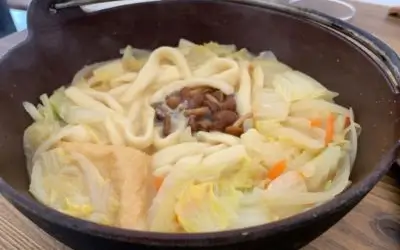
Hōtō – Yamanashi’s Signature Noodle Soup | Japanese Food Guide
What is Hōtō? Hōtō (ほうとう) is a traditional noodle soup from Yamanashi Prefecture, especially popular around the Mt. Fuji and Kawaguchiko area. It’s made with thick, flat noodles simmered in a hearty miso-based broth, along with local seasonal vegetables like pumpkin, mushrooms, carrots, and sometimes even wild greens.Unlike udon, hōtō noodles are made without salt,…
-

Discover Dotonbori : Osaka’s Food & Fun Wonderland
The lively entertainment area of Dotonbori is the most famous tourist destination in Osaka and famous for its striking neon lights, its extravagant signage, and huge variety of restaurants and bars.
-

Tsukiji Market: Tokyo’s Living Culinary Heritage
Discover Tsukiji Outer Market, Tokyo’s legendary culinary destination. Experience fresh sushi, seafood stalls, traditional shops, and authentic Japanese food culture at this historic market that continues to define Tokyo’s food scene.
-
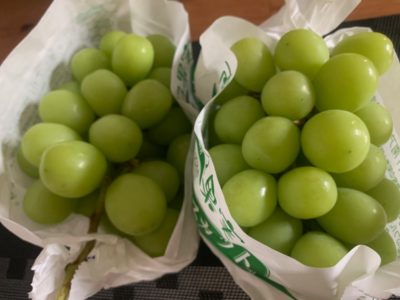
Depachika Food Shopping offers a wide selection of Fine Cuisine
What makes for a perfect depachika-bought meal? What should you think about when you go to a depachika to get the best experience? And what is up with those perfect pieces of fruit in Japan?
-
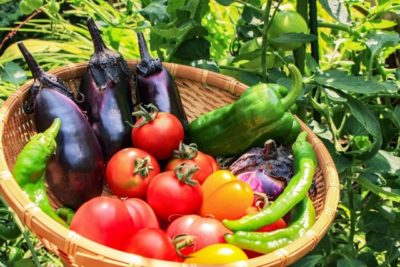
Vegetarian and Vegan Food Like Shojin Ryori in Japan
What is the history of vegan and vegetarian food in Japan? What is Shojin Ryori? And what are Tokyo’s best restaurants for vegans and vegetarians? Read it here!
-
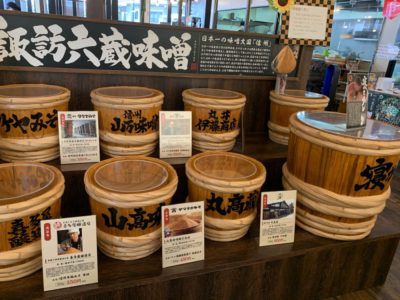
Delicious Fermented Foods Unique to Japan
Fermentation is a technique that is used all around the world to preserve food and drinks and to give a new flavor to what we consume. Japan has some originally Japanese fermented foods and drinks that are all good for your health and stamina.
-

The Wonderful Flavor of Wine in Japan
There are old-world wines from France and Italy, new-world wines from California, South-Africa, and Chile, and then there is wine from Japan. How did wine end up being made in Japan? Which grape varieties are used? And where are Japan’s wineries?
-
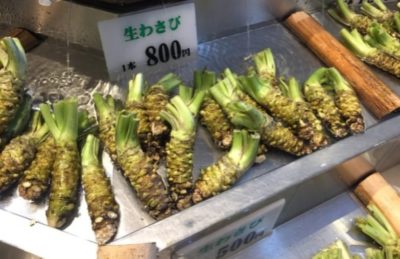
Wasabi | Seasonings that are stimulating and add depth of flavor
Whether you like the spicy and intense flavor of wasabi or not, many Japanese dishes contain this green condiment. Do you know why Japanese people started eating wasabi?
-
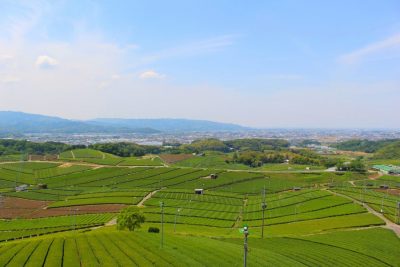
Japanese Green Tea with a Long History and Rich Flavor
Did you know that Japanese tea originated in China, and was then slowly cultivated to different kinds of tea that is still enjoyed throughout Japan and worldwide these days? There are 6 main types of Japanese tea, which differ in leave treatment and harvest time.
-
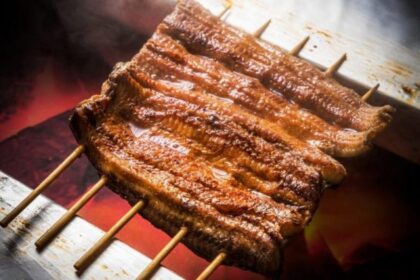
Unagi in Japan | Very tasty, high quality fish
Unagi is eel prepared in the Japanese style. It is a very popular summer dish in Japan because of the prevailing belief that eel helps your stamina when the weather is hot.
-
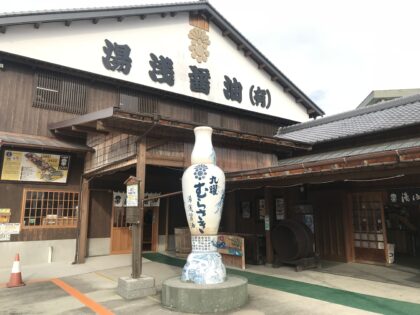
Soy Sauce | The Secret to Delicious Japanese Cuisine
Soy sauce is an indispensable ingredient for Japanese cooking. The origins of soy sauce can be found in China, where they used salt and a base of fruit, vegetables, or grains to pickle foods so they could be kept longer.
-
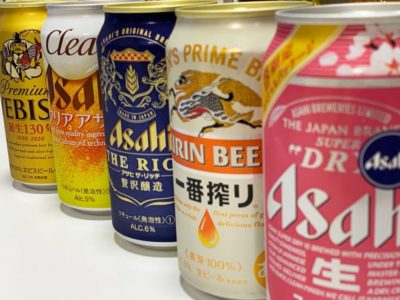
Many Kinds of Beers Unique to Japan
Beer has a shorter history in Japan than it has in most of the rest of the world, the reason being having been isolated from the rest of the world and its techniques for centuries. It is not that Japan didn’t have its share of alcoholic beverages before beer made its entrance, as sake and…
-

Kakigori Shaved Ice | A very popular dish among the Japanese
During the summer, temperatures in Japan can be quite high and the atmosphere gets very humid. This makes finding ways to cool down indispensable, and how to better do this than with freshly shaved ice?
-
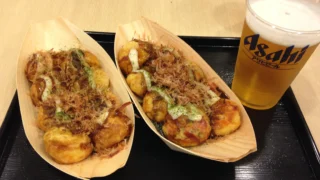
Popular Japanese Dishes from Osaka
To Japanese people, Osaka is known as the capital of gastronomy. Some of Japan’s most popular dishes were born and bred in Osaka and spread out into the rest of the country from here.
-
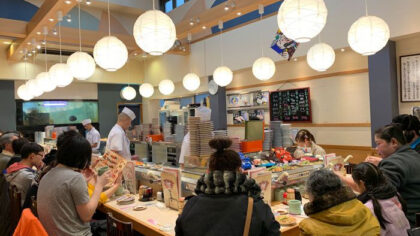
The Sushi Train: Kaiten Sushi | Easy and delicious Japanese sushi
Sushi has been the most popular Japanese food worldwide ever since the California Roll was invented in the United States. The inside-out roll was created by a Japanese chef in the 1960’s. But how do they eat sushi in Japan?
-

Wagashi Sweets | Beautiful and delicate taste
Wagashi are Japanese sweets that look more like a piece of art than something to eat. Wagashi have a very long history that goes back more than 2000 years.
-

Abura Soba | The best soup-less noodles only available in Japan
Did you know that in Japan, there are many varieties of noodles to choose from? Abura soba is one of those types of noodles that hasn’t yet become famous in the rest of the world, but surely will one day.
-
Hiroshima Style Okonomiyaki | Cuisine loved by the people of Japan
Japan is a country with one of the richest cuisines in the world, with endless dishes to choose from. One of the most popular dishes is the okonomiyaki savory pancake of Hiroshima.
-
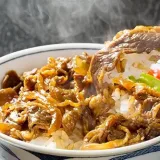
Gyudon Beef Bowl | Exquisite dishes with lavish use of beef
Gyudon beef bowl is maybe not as famous as some other types of Japanese food, but it is definitely a must-try if you come to Japan and you like meat.