
Kyoto
-
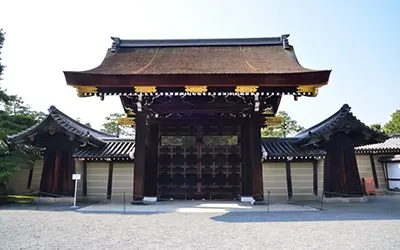
Kyoto Imperial Palace Guide
What is the Kyoto Imperial Palace? The Kyoto Imperial Palace, or Kyoto Gosho (京都御所), was the residence of Japan’s emperors for over 500 years—until the capital moved to Tokyo in 1869. Nestled in the heart of Kyoto Gyoen National Garden, this sprawling complex preserves the refined aesthetics of classical Japanese court life and architecture. Unlike…
-
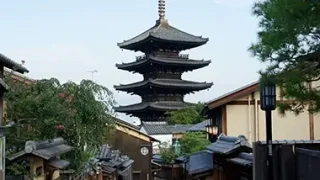
Ninenzaka & Sannenzaka
What are Ninenzaka and Sannenzaka? Ninenzaka (二年坂) and Sannenzaka (三年坂) are two of Kyoto’s most charming stone-paved slopes, located just south of Kiyomizu-dera Temple in the historic Higashiyama district. These pedestrian-only lanes gently wind downhill through traditional wooden buildings, teahouses, souvenir shops, and restaurants—offering a glimpse of Kyoto’s old-town atmosphere. Though they are often mentioned…
-
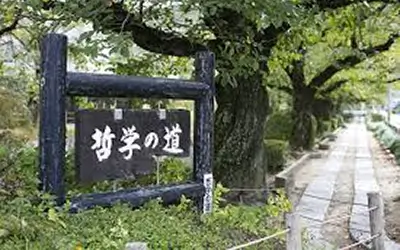
Philosopher’s Path (Tetsugaku no Michi)
What Is the Philosopher’s Path? The Philosopher’s Path (Tetsugaku no Michi) is a scenic 2-kilometer walkway that runs alongside a cherry tree-lined canal in Kyoto’s Higashiyama district. Named after the famous Kyoto University philosopher Nishida Kitaro, who used the path for daily meditation walks, it offers a calm and contemplative escape from the city bustle.…
-
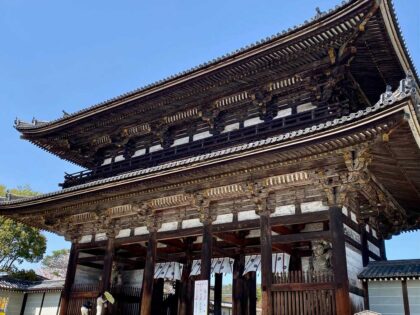
Ninna-ji Temple | Beautiful cherry blossom viewing spots in Kyoto
Not far from the famous Golden Pavillion is Ninna-ji temple. If you come during cherry blossom or maple leave season you can’t skip this temple, but also outside these seasons it’s worth a visit.
-
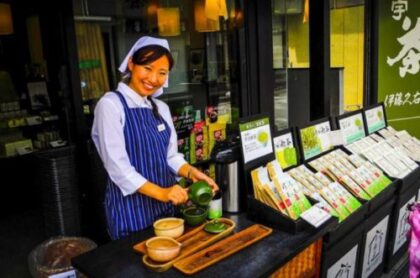
Uji Kyoto | World Heritage Sites and Green Tea Production
How to experience green tea town Uji on your Japan tour? Let us share with you our favorite places in this beautiful little town near Kyoto!
-
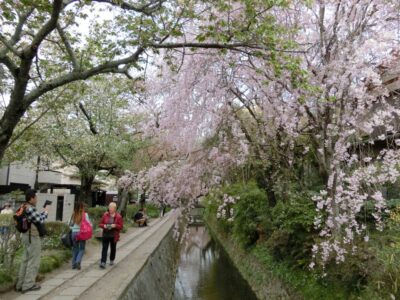
Philosopher’s Path in Kyoto | Quiet Atmosphere and Beautiful Trees
The ideal spot for some quiet thinking and to enjoy the 4 seasons of Japan, the Philosopher’s Path is beloved by tourists and locals alike. Find out how you can enjoy this wonderful little corner in Kyoto!
-
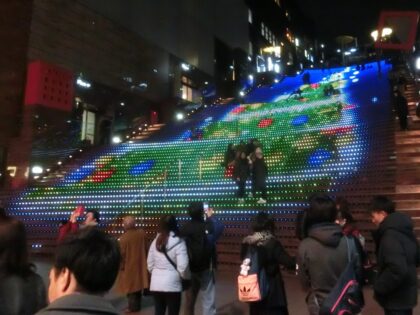
Kyoto Station | It’s a transportation hub and a shopping destination
Kyoto station is not just a place to catch the train, as there is plenty to see and do besides arriving and departing. Find out what makes Kyoto station worth visiting during your Japan tour!
-
Kyoto Highlights and Hidden Gems Itinerary
Would you like to get some ideas for your perfect Kyoto itinerary? We listed our 5 favorite Kyoto highlights along with 5 lesser-known spots in Kyoto that really make you able to taste the local atmosphere in this beautiful city.
-
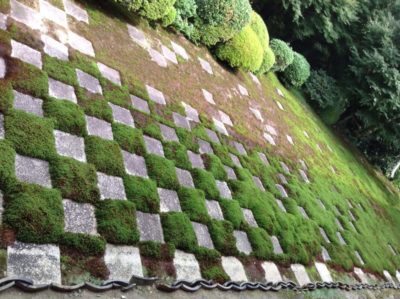
Tofukuji Temple, Kyoto | Beautiful Flowers and Gardens
One of my favorite Zen temples is the Tofukuji temple located in the east of Kyoto city. What makes this temple very special are its magnificent landscapes of maple trees and cherry blossoms.
-
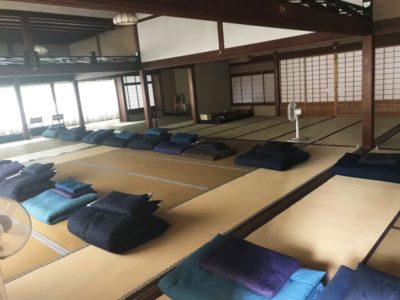
Experience Zen | the Essence of Buddhism in Kyoto
There is a Zen temple in Kyoto called Koshoji, located near Kuramaguchi Station, which is not a typical tourist sightseeing spot. Even though tourists are discouraged from going in, it is an interesting place to visit.
-
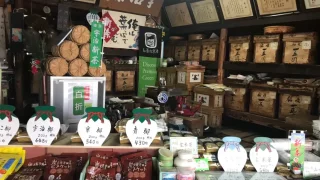
Local Kyoto with its quaint scenery
If you have already finished the beginners‘ course of travel in Kyoto and traveled around the many touristy spots, it is time to explore the daily lives of the locals!
-
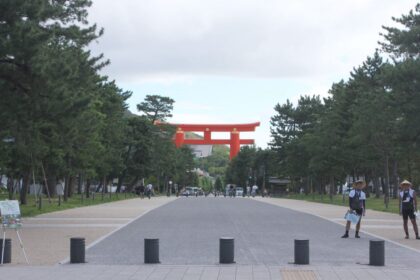
5 Great Kyoto Sightseeing Destinations
While planning a trip to Kyoto, it can be difficult to make the decision to choose where to go if you have a limited amount of time due to the large number of amazing sights that exist in Japan’s ancient capital city. This is a list of the 5 best places to visit during your…
-
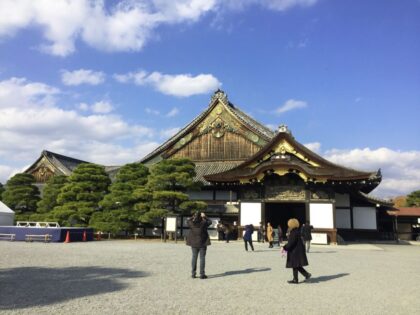
Nijo Castle | with its Gorgeous Architecture and Many Treasures
Nijo-jo Castle in Kyoto has witnessed some of the most important events in Japanese history in the 400 years since it was built. In 1940 the palace was first opened to the public. Today it is one of the most important tourist spots in the city of Kyoto.
-
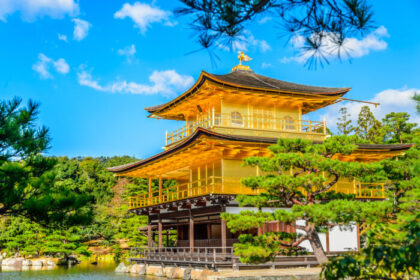
Kinkakuji | The Most Beautiful Buddhist Temple
Kinkakuji was founded in 1397 as a resting villa for the third shogun of the Muromachi era, Ashikaga Yoshimitsu. This shogun asked his son to turn the villa into a Zen temple when he died, and so it happened.
-
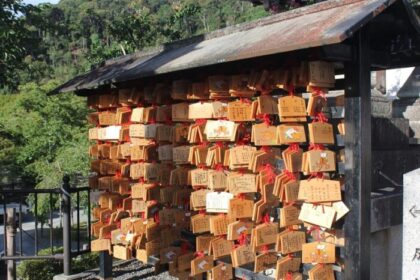
Yasaka Shrine, Kyoto | Historic and Beautiful Building
One of the oldest shrines in Kyoto is located in the famous Gion district in Kyoto. The Yasaka Shrine stands out for its great beauty and interesting historical architecture.
-
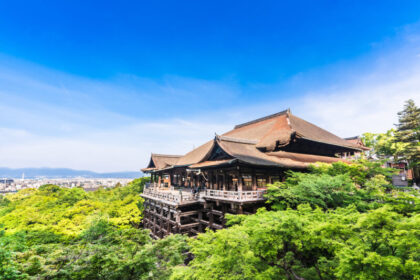
Kiyomizu Dera Temple, Kyoto | Beautiful natural scenery and various power spots
The Kiyomizu Dera temple in Kyoto is one of Japan’s most famous Buddhist temples and with good reason, as it is one of the most beautiful constructions in the old capital city.
-
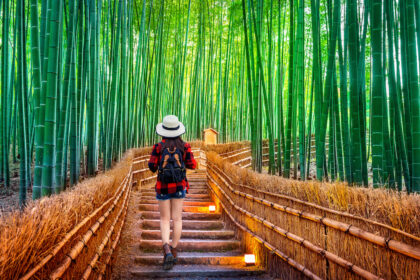
Arashiyama, Kyoto | Mysterious and beautiful bamboo forest
Arashiyama in Kyoto is famous for its mystical bamboo grove, but the area is actually a lot larger than just the bamboo forest. It is a very pleasant environment to have a walk past traditional shops, temples, and nature.
-
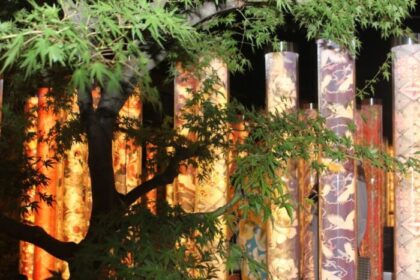
Kimono Forest, Kyoto | Beautiful Traditional Japanese Costumes
Find out more about Kimono Forest, a must-see promenade for people heading to the bamboo forest, located in the Arashiyama area of Kyoto.
-
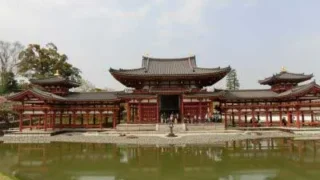
Byodoin Temple with its shining golden phoenix
The Byodoin temple is the most famous landmark in a part of Kyoto that is especially known for its green tea production, Uji. The image of the temple is very well-known throughout Japan.
-
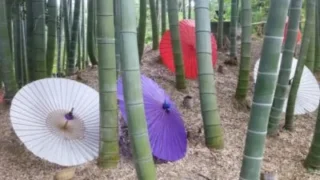
Kodaiji Temple, Kyoto | Beautiful landscape gardens and decorations
Kodaiji Temple is located in Higashiyama. It was founded in 1605 by Kita-no-Mandokoro as a memorial to her husband, Toyotomi Hideyoshi, who was one of the most important men of his time.