
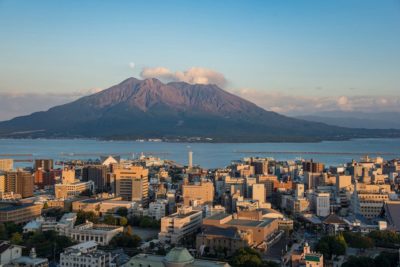
The Kyushu region is made up of Kagoshima, Fukuoka, Oita, Miyazaki, Saga, Nagasaki and Kumamoto prefectures.
-
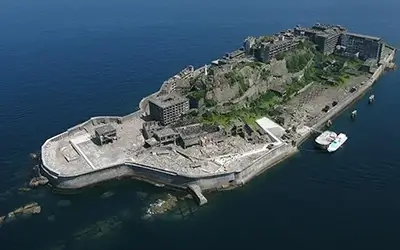
Gunkanjima (Hashima Island)
What is Gunkanjima? Gunkanjima, or Hashima Island, is a small, abandoned island off the coast of Nagasaki. From a distance, it looks like a battleship—so people started calling it “Gunkanjima,” which means “Battleship Island” in Japanese. The island has a powerful history. It once had a busy coal mine run…
-
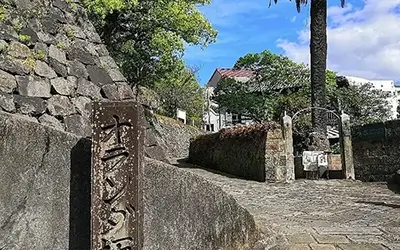
Dutch Slope
What is Dutch Slope (Orandazaka) in Nagasaki? Dutch Slope, or Orandazaka (オランダ坂), is a quiet stone path in Nagasaki’s Higashi-Yamate area. It got its name because many Westerners lived nearby in the 1800s—not just Dutch people, but also British and American traders.Today, you can still walk past old Western-style houses,…
-

Onta Pottery | Traditional Pottery with very beautiful patterns.
Onta is a small village in Oita, Kyushu. They produce pottery with traditional techniques without using electric power. Strolling along the old street and visiting a few workshops to watch how they produce pottery is a great way to enjoy this town.
-
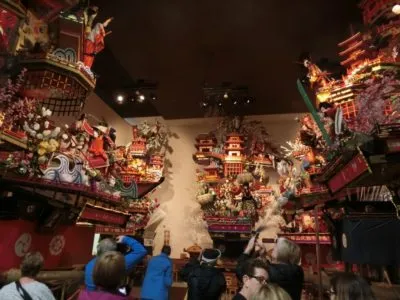
Hita, Oita | A town that lives with clear water
Hita is a city in Kyushu that attracts tourists with its beautiful old town with 200-year old houses, a float festival, and traditional ceramics. See what this off-the-beaten-path destination has to offer.
-
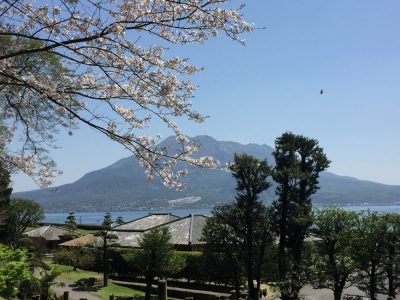
Kagoshima City Famous for Sakurajima | Kagoshima Travel Guide
For history, activities in nature, and a balmy climate, Kagoshima is the place to go. Having always been more open to foreign influences, you can still find plenty of proof of that in local culture and Kagoshima’s historical buildings.
-

Aoshima, a Beautiful Island surrounded by Blue and Green
The small island of Aoshima on the southeastern coast of Kyushu, Japan, is a little pearl of nature. Its most famous attraction is the ‘Devil’s washboard’ formation, but there is more to be seen here.
-

Karatsu City, Famous for Karatsu Kunchi and Karatsu Pottery
Karatsu Castle, Takatori’s Old Residence, wild natural scenery, and pottery beautiful in its minimalist simplicity are just some of the attractions that Karatsu in Kyushu, Japan has to offer. Find out what to include on your Karatsu itinerary!
-
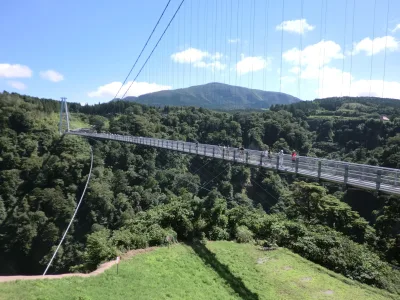
Kokonoe Yume Otsuribashi, Oita | Exhilarating and beautiful view as if you are walking in the sky
Kokonoe Yume Tsuribashi is one of the longest suspension bridges for pedestrians in Japan with a length of 390 meters. It is located in the mountains of Oita Prefecture in Kyushu and boasts amazing views!