

Culture & Traditions
-
Skiing & Snowboarding in Japan – Best Spots & Travel Tips
Japan is one of the world’s most underrated ski and snowboard destinations. With its famous powder snow, scenic mountain towns, and world-class resorts, it’s a winter wonderland waiting to be explored. Whether you’re an experienced rider or a total beginner, Japan makes it easy—rentals, lessons, and even onsen hot springs are often just steps away…
-
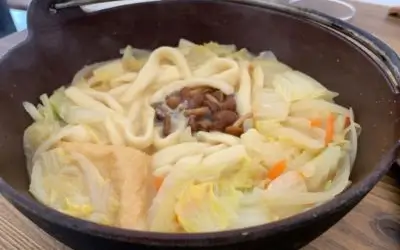
Hōtō – Yamanashi’s Signature Noodle Soup | Japanese Food Guide
What is Hōtō? Hōtō (ほうとう) is a traditional noodle soup from Yamanashi Prefecture, especially popular around the Mt. Fuji and Kawaguchiko area. It’s made with thick, flat noodles simmered in a hearty miso-based broth, along with local seasonal vegetables like pumpkin, mushrooms, carrots, and sometimes even wild greens.Unlike udon, hōtō noodles are made without salt,…
-
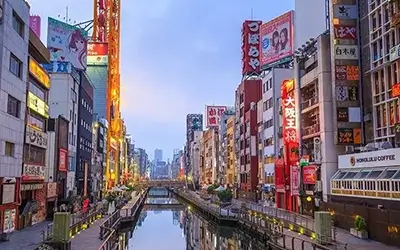
Discover Dotonbori : Osaka’s Food & Fun Wonderland
The lively entertainment area of Dotonbori is the most famous tourist destination in Osaka and famous for its striking neon lights, its extravagant signage, and huge variety of restaurants and bars.
-
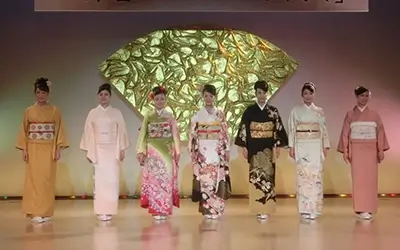
Zen, Kimono, and Tea Ceremony | Authentic Japanese Experiences in Kyoto
What is a Japan Cultural Experience? If you’re visiting Japan, there’s more to do than sightseeing and eating sushi. Cultural experiences let you step into traditional Japanese life—quiet reflection, seasonal beauty, and attention to detail. These moments often become the most meaningful parts of your trip.Kyoto is the perfect place to try authentic Japanese traditions.…
-
Discover Sumo: Japan’s Ancient Sport of Warriors – Complete Guide & FAQ
Step into the sacred world of sumo, Japan’s ancient national sport. Discover tournament schedules, cultural rituals, and how to experience this incredible combination of athleticism and tradition during your Japan visit.
-

Nakano Broadway: Tokyo’s Hidden Otaku Paradise
Step into Nakano Broadway, Tokyo’s legendary multi-story complex that offers the ultimate anime and collectibles experience. Discover rare figurines, vintage manga, and hidden gems in this authentic otaku paradise.
-
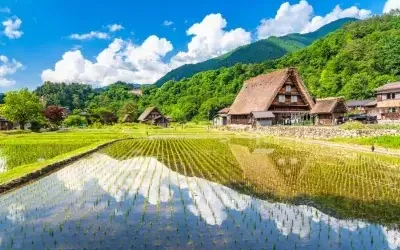
The Perfect Shirakawa-go Travel Guide – Gassho Houses & Winter Magic
Tucked away in the mountains of Gifu Prefecture, Shirakawa-go is one of Japan’s most iconic rural destinations. Famous for its gassho-zukuri farmhouses—steep thatched roofs designed to shed heavy snow—it’s a place where time slows down and tradition lives on.The village is listed as a UNESCO World Heritage Site, and draws visitors year-round for its fairytale-like…
-
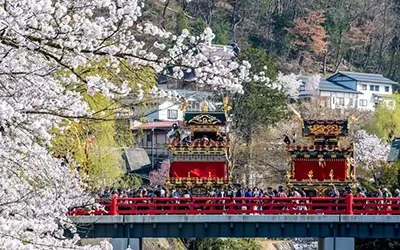
The Perfect Takayama Travel Guide – Old Streets & Hida Beef
Tucked away in the mountains of Gifu Prefecture, Takayama is one of Japan’s best-preserved traditional towns. Known for its historic wooden architecture, morning markets, and regional cuisine like Hida beef, Takayama offers a peaceful yet immersive cultural escape. Strolling through the streets of Sanmachi Suji, you’ll find Edo-period homes, sake breweries, and local artisans still…
-

Yokai | Scary and Cute Japanese Monsters
Do you like slightly unsettling and scary folk tales? Japan has plenty of them. Let us introduce 3 famously eerie Japanese yokai monsters to you!
-
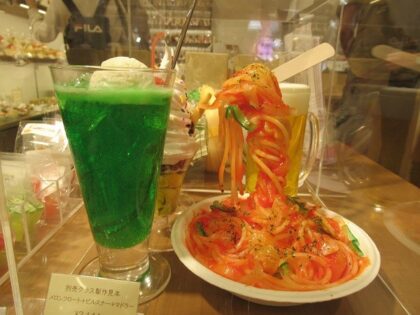
Discover Japan’s Amazing Plastic Food Samples
Elaborately made food samples in Japan’s restaurant windows help you decide if you want to eat there. Did you know that you can buy them as a souvenir or even try to make them yourself?
-
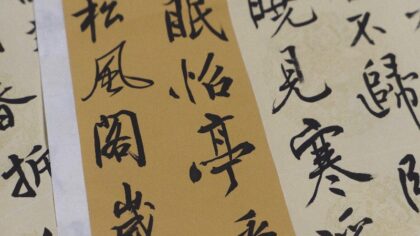
Calligraphy in Japan | Beautiful and dynamic expression
Known as “shodo,” Japanese calligraphy is a timeless art form. Discover its historical roots and how it continues to shape modern culture.
-

Why Do People Remove Shoes in Japan?
Removing your shoes before entering a house or building is not only hygienic, in Japan, it is much more than a simple custom. Learn more about the history behind this rule, and the right way to go about it.
-
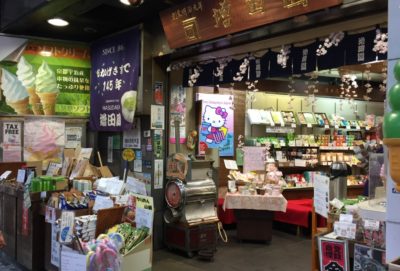
Omiyage | The Chic Tradition of Japanese Souvenirs
Omiyage are tasty locals souvenirs from Japan that were first used to thank trip financers for their contributions in the Edo period and then helped straying spouses stay on the straight and narrow. Find out how this worked!
-
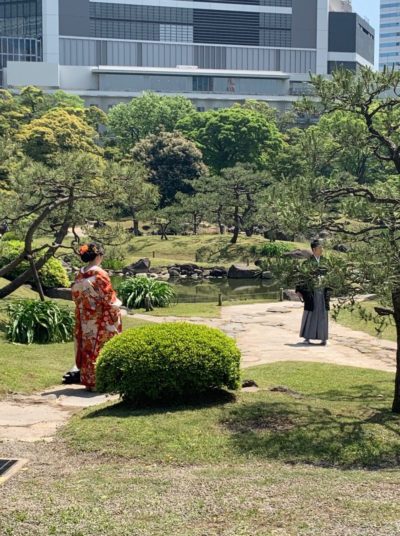
Beautiful and Historic Japanese Garden Landscape
How did Japanese gardens develop? And how can we appreciate Japanese gardens? Find out more about Japanese gardens.
-
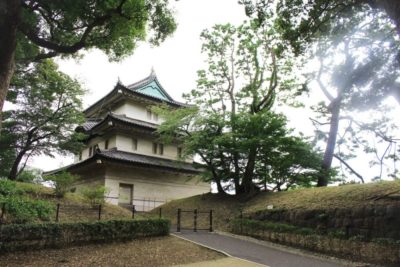
The Japanese Emperor is the Oldest Hereditary Monarchy in the world
Learn more about the history of the Imperial Family of Japan and the lives of the current royals!
-
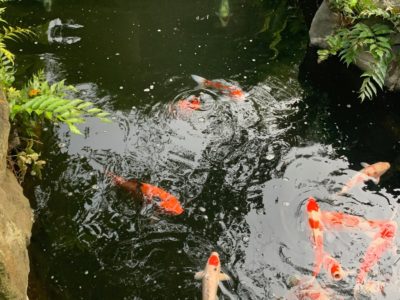
Beautiful Koi fish | a Symbol of Longevity and Strength
Originally from China, it was the Japanese who created koi fish’ beautiful coloring that made them so popular. Where can you see these carps in Japan? And is it possible to visit a koi farm?
-
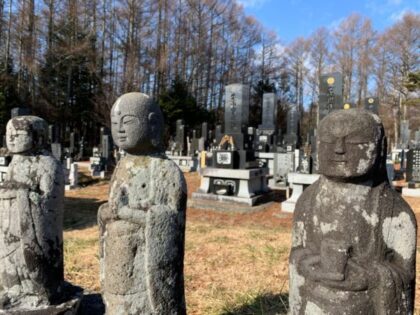
Japanese Tanka Poetry | Beautiful Japanese Music
Tanka is uniquely Japanese poetry that was perfected at the beginning of the seventh century.
-
Happy Culture Day in Japan
November 3 is Culture Day in Japan. On this day, festivals are held around the country, celebrating traditional Japanese art. What can you expect to see if you are in Japan at that time?
-
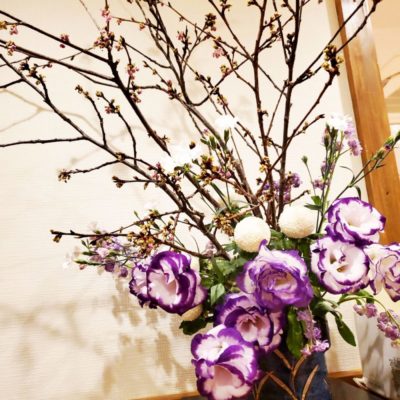
Ikebana, a Japanese Art form with a Long History and Elegance
It was in the 14th century that Ikebana arose in Japan when people started arranging the flowers that they offer to Buddha statues. Its concept developed from the desire to express religious feelings in connection with Buddhism.
-
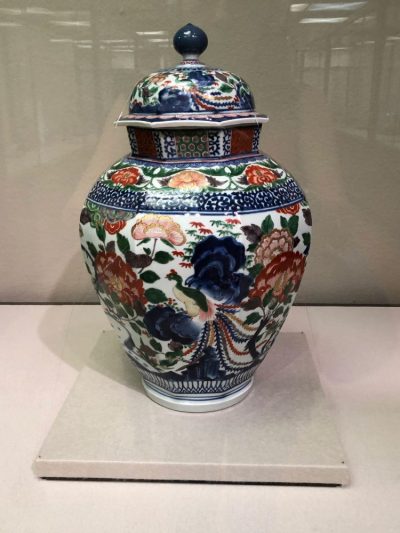
Japanese Ceramics and Lacquerware with Great Materials and Beautiful Design
Japanese ceramics and lacquerware are very popular household goods throughout the world. Find out more about these wonderful crafts from Japan.