

Culture & Traditions
-
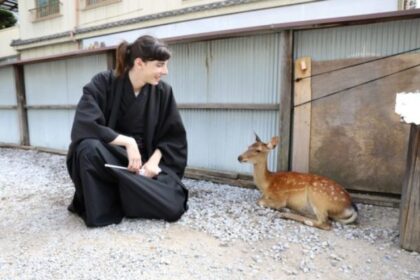
Hakama | A beautiful kimono to wear on the big day
While most foreigners know about kimono, another traditional Japanese garment called hakama is not that known amongst most foreign visitors in Japan. A hakama are the skirt-like pants that are worn over a kimono.
-
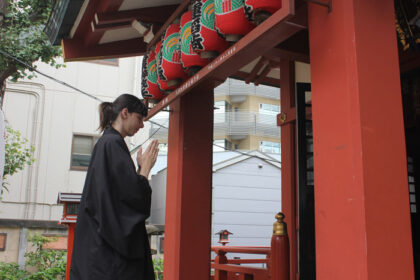
How to Pray at Shinto Shrine
Shinto means worshiping ancestors as guardians of the family, and it also symbolizes showing respect for the kami, who reside in the natural world and in shrines. How to pray at a Shinto shrine?
-
Flag of Japan, Land of the Rising Sun
The national flag of Japan is officially called ‘Nisshoki’, which means ‘Flag of the Sun symbol’, although colloquially it is known as ‘Hinomaru’ which means ‘Circle of the Sun’. It is the most important symbol of Japan.
-
The National Flower of Japan | Culture Guide
Chrysanthemums first came to Japan from China in the fifth century. Chrysanthemum cultivation began in Japan during the Nara and Heian periods (710-1185) when the flower was planted throughout Japan.
-
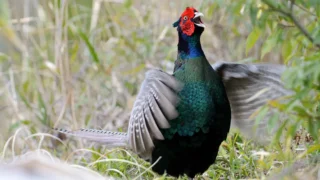
Pheasant | Japan’s beautiful national bird
The national bird of Japan is the green pheasant, named ‘Kiji’ in Japanese. It was declared the National Bird in 1947. The Kiji has been featured in many legends, mythology, poetry, and paintings.
-
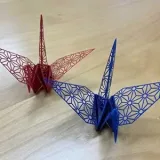
Origami | Delicate and beautiful art for everyone to enjoy
Origami is the Japanese art of folding paper without using scissors or glue to create shapes that can be seen as paper sculptures. Learn more about this beautiful art!
-
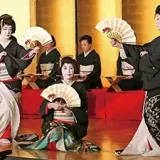
Geisha | The most classy and beautiful entertainer in the world
Geisha are not prostitutes. This is a misconception based on inaccurate depictions in films and from the stories of American soldiers who went to Japan after WW2 when there was great poverty in Japan.
-

Japan’s beautiful landscapes and wonderful hot spring resorts
Tectonic activity doesn’t just bring earthquakes and volcanic eruptions with it, it also brings great natural hot spring areas where we can relax and get rid of all kinds of physical ailments.
-
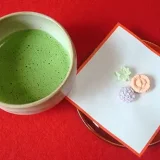
Tea Ceremony Characterized by Beautiful Gestures and Delicate Taste
The Japanese tea ceremony is called Chanoyu, Sado, or simply Ocha. It is a choreographed ritual of preparation and the serving of a type of Japanese green tea called matcha, along with traditional sweets to balance the bitter taste of the tea.
-
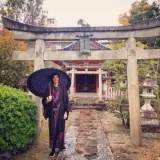
The Kimono | Beautiful Traditional Japanese Clothing
Kimono are traditional Japanese clothes that used to be worn on a daily basis until western-style fashion came to Japan. Today, the Japanese still wear kimono to official functions sometimes.
-
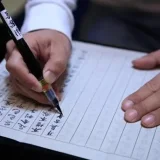
Beautiful and cool notation of kanji and hiragana
Japanese writing consists of three systems, kanji, hiragana, and katakana. Here’s a simple overview of how the Japanese writing system works.
-
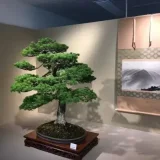
Beautiful Bonsai from Historic Japan
The history of bonsai in Japan goes back to the 13th century, which was a time when Japan was very open to culture imported from China and bonsai was one of the imported art forms. Bonsai is a dwarf tree grown in a porcelain pot, and its purpose is to represent nature through the arrangement…