
Japan Guide
-
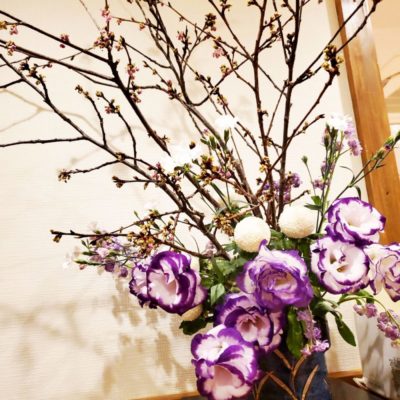
Ikebana, a Japanese Art form with a Long History and Elegance
It was in the 14th century that Ikebana arose in Japan when people started arranging the flowers that they offer to Buddha statues. Its concept developed from the desire to express religious feelings in connection with Buddhism.
-
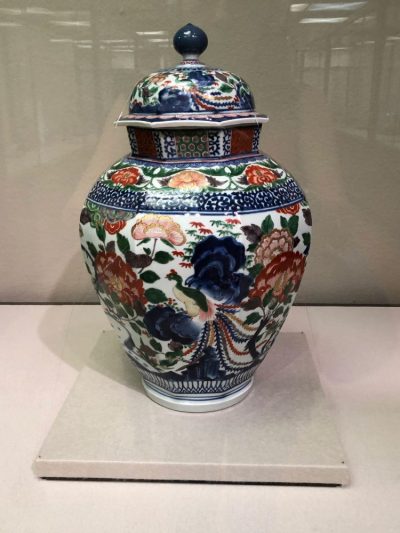
Japanese Ceramics and Lacquerware with Great Materials and Beautiful Design
Japanese ceramics and lacquerware are very popular household goods throughout the world. Find out more about these wonderful crafts from Japan.
-
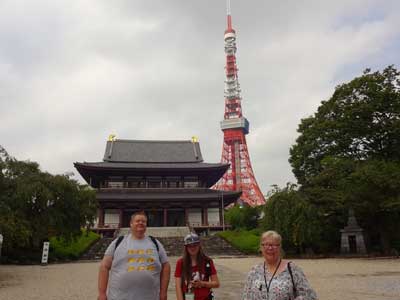
Zojoji Temple, Tokyo | High Prestige and Benefits for Winning Luck
This former family temple of the Tokugawa clan is a must-see if you are in the area. There is an impressive garden with a large number of jizo statues, and daily Buddhist ceremonies are held.
-
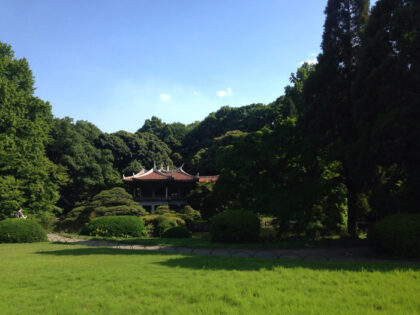
Shinjuku Gyoen, Tokyo | Surrounded by diverse and beautiful plants
The Shinjuku Gyoen National Park is a large green area with beautiful landscapes that provide a sense of tranquility. A visit to this large garden is a nice break from the cityscape of the surrounding area.
-

TeamLab for Stunning Visual Beauty and Fantastic Experiences
Some of the best immersive art experiences that can be enjoyed in Japan are modern exhibitions by teamLab. There are two versions of this exhibition, one is in the Toyosu area, and the other is in the Odaiba area.
-

Nezu Shrine, Tokyo | Famous for its beautiful torii gate and azaleas
Nezu shrine from 1705 has the oldest surviving Shinto shrine building in Tokyo. Having survived the war, it is considered a heritage of high cultural importance. In spring, there are gorgeous flowers in the grounds.
-
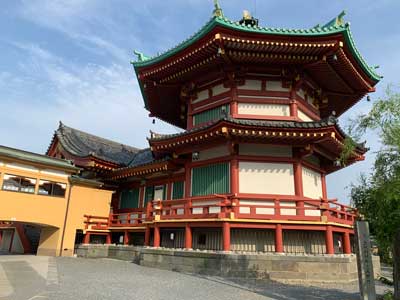
Bentendo Temple – Music, Water, and Ueno’s Spiritual Heart
In Tokyo you can find endless wonderful places of historical and current nature. One of them is Ueno Park, famous for its cherry blossoms in spring. The Bentendo temple and Shinobazunoike lake are interesting landmarks here.
-
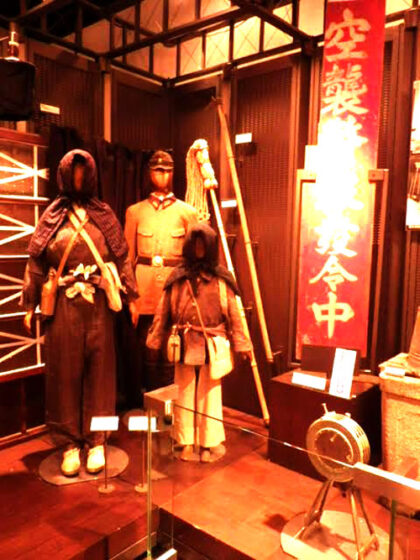
National Showa Memorial Museum | Beautiful nature and fun events that make the most of it
The National Showa Memorial Museum in Tokyo offers the opportunity to observe firsthand how the common citizen lived in Japan during the mid to late 20th century.
-
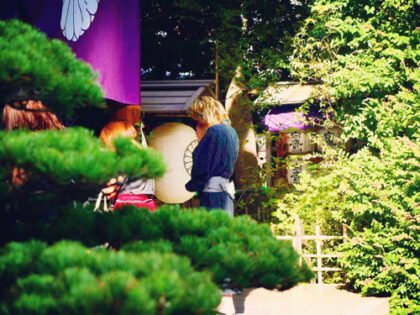
Tokyo Daijingu Love Shrine
Are you unlucky in the area of love? Then you should consider a visit to the Tokyo Daijingu Shrine. This shrine, which has a connection with the Goddess of the Sun, is supposed to help you find your true connection.
-
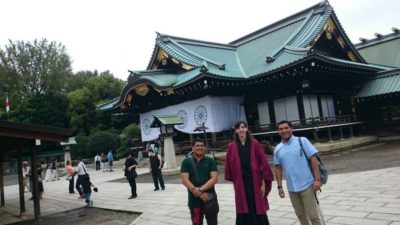
Yasukuni Shrine, Tokyo | The most famous and beautiful shrine in Japan
The Yasukuni shrine is considered one of the most important shrines in Japan. It is also a controversial shrine because this is where Japan’s war dead are honored. Learn more about the shrine and its controverse.
-
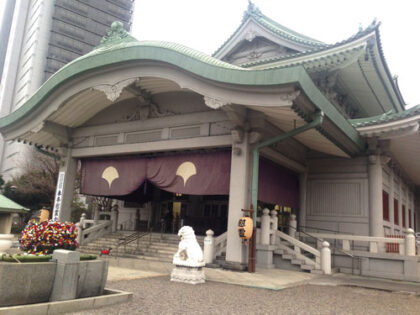
Yokoamicho Park, Tokyo | Center of the Sumo wrestling world
Due to the firestorm that tore through the eastern side of Tokyo after the great Tokyo earthquake in 1923, thousands of people died in the area that is now Yokoamicho Park.
-
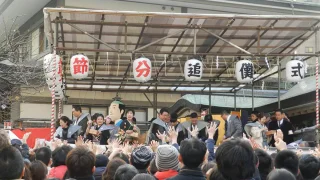
Happy National Holidays in Japan
Which national holidays and regular holidays are there in Japan? Here is an overview of Japanese (national) holidays and some other important annual nationwide events.
-
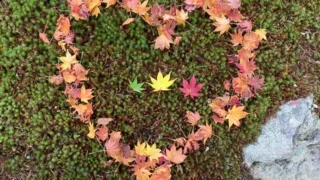
Fall-leaf viewing | Beautiful Autumn Leaves in Japan
The period between early November to early December is a great time to come to Japan. You will see gorgeous panoramas that the changing leaves bring, and the tourist crowds are decidedly less compared to summer.
-

Manga | the Wonderful Culture of Japan
In the late 1940’s, Tezuka Osamu, the father of modern Manga, began working cinematic effects learnt from European movies in to his cartoons.
-
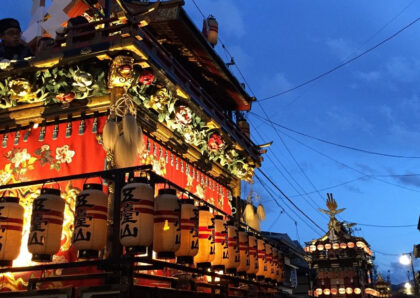
Fun Festivals in Japan (Matsuri) Regardless of the Season
Throughout the year there are many lively festivals, or matsuri, that are held throughout Japan. Which festivals are considered the most major ones?
-
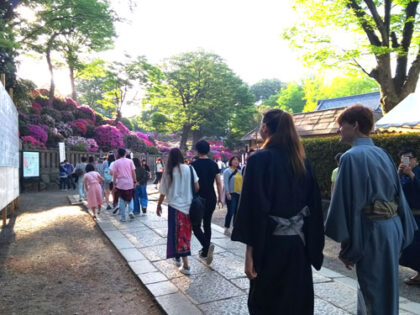
Japanese Spiritual Culture: Understanding the Syncretism of Shinto and Buddhism
Shinto has been the main religion in Japan since ancient times, centering on the ideas of Japanese intimacy with nature and ancestor worship. Learn the basics of Shinto beliefs!
-

Religions unique to Japan
While Japan’s first main religion is Shinto, the second main religion is Buddhism. How did Buddhism come to Japan, and which influence does it have on daily life in Japan?
-
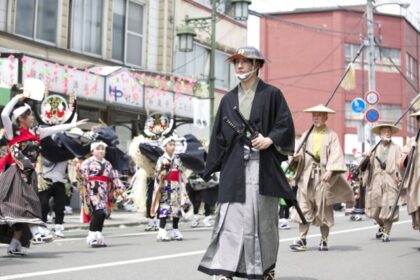
The Identity of Samurai and Shoguns in Japan’s Closed State
During the Edo period from 1603-1868, society was divided strictly into social classes, not unlike the caste system in India. The country was ruled by a shogun, who was the highest up in the military of that time.
-
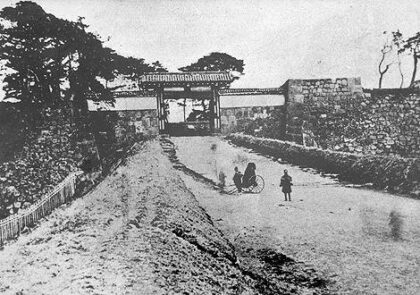
The Meiji Restoration in Japan
The turning point for the city of Edo, actually for all of Japan, was the arrival of Commodore Matthew Perry’s Black Ships at Edo-wan (now known as Tokyo Bay) in 1853. Perry’s US Navy expedition demanded that Japan open itself to foreign trade.
-

Winter Sports in Beautiful Japanese Nature
If you love skiing and snowboarding, Japan is a great December-April destination for you. There are over 500 ski resorts across Japan which vary in size from large resorts to small one-lift shops.