
To an outside observer, Japan’s religious landscape can seem beautifully paradoxical. While the vast majority of Japanese people claim they are not deeply pious or religious in a traditional sense, spirituality seamlessly weaves through their daily lives, language, and cultural identity. It is incredibly common for a Japanese family to celebrate a birth or wedding with Shinto rituals, yet conduct a funeral following Buddhist traditions. Rather than choosing a single faith, Japanese culture relies on Shinbutsu-Shugo—a unique syncretism where Shinto shrines and Buddhist temples gracefully coexist, offering a holistic framework for honoring nature, ancestors, and the passage of time.
Shintoism: The Indigenous Foundation of Japanese Thought
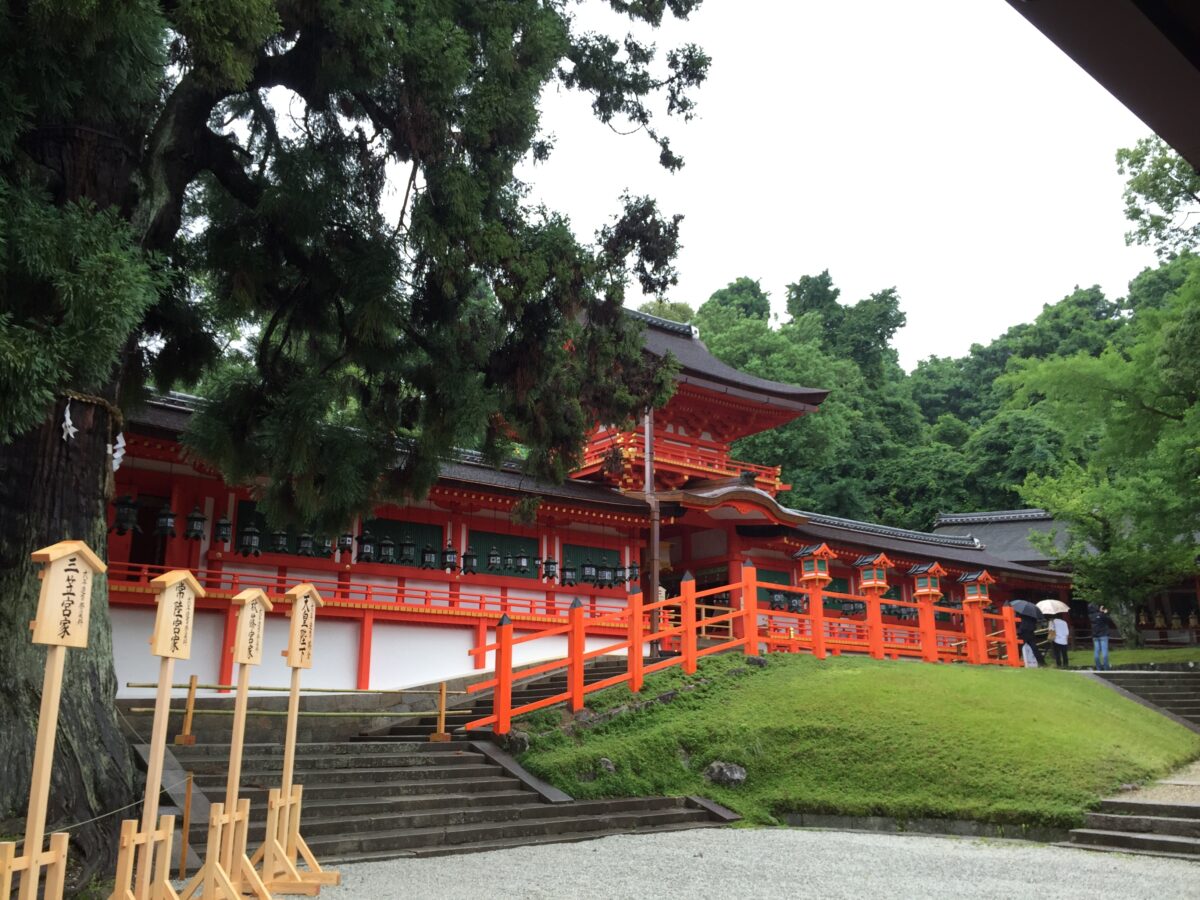
Originating entirely within Japan’s ancient history and mythology, Shinto is an animistic spiritual system centered on a deep intimacy with nature and ancestor worship. Shintoists believe that all things on earth are brought forth and ruled over by Kami (gods or spirits) who reside throughout nature—in mountains, ancient trees, rivers, and even the wind. Every living being possesses a sacred energy that deserves absolute respect. This philosophy extends even to physical objects, explaining why Japanese society treats everyday items with exceptional care. In modern Japan, Shinto is less about dogma and more about a lived cultural identity, manifesting in daily expressions like “shoganai” (a phrase rooted in acceptance, meaning “it cannot be helped”) and major seasonal milestones like Hatsumode (the first shrine visit of the New Year).
Buddhist Traditions: Zen Philosophy and the Remembrance of Ancestors
While Shinto represents Japan’s native spirit, Buddhism was imported into the country along the Silk Road via China and Korea during the mid-6th century. Supported by historical rulers, it evolved significantly during the Kamakura period (1185–1333) into a religion focused on compassion and protecting the weak. Around this time, Zen Buddhism flourished among the samurai class. Unlike standard forms of Buddhism that emphasize reaching salvation after death, Zen focuses on attaining enlightenment in this current life through silent meditation (zazen) and mindful daily chores (samu). This philosophy deeply shaped iconic Japanese arts like the tea ceremony, ikebana (flower arrangement), and minimalist landscape gardens. Today, because Buddhism promises a peaceful hereafter, it anchors Japanese funeral customs, ancestral grave visits during the Bon festival, and the presence of Butsudan (Buddhist altars) inside family homes.
Iconic Symbols and Spiritual Tools of Shrines and Temples
When exploring Japan, distinguishing between Shinto and Buddhist structures is made easy by their unique sacred icons:
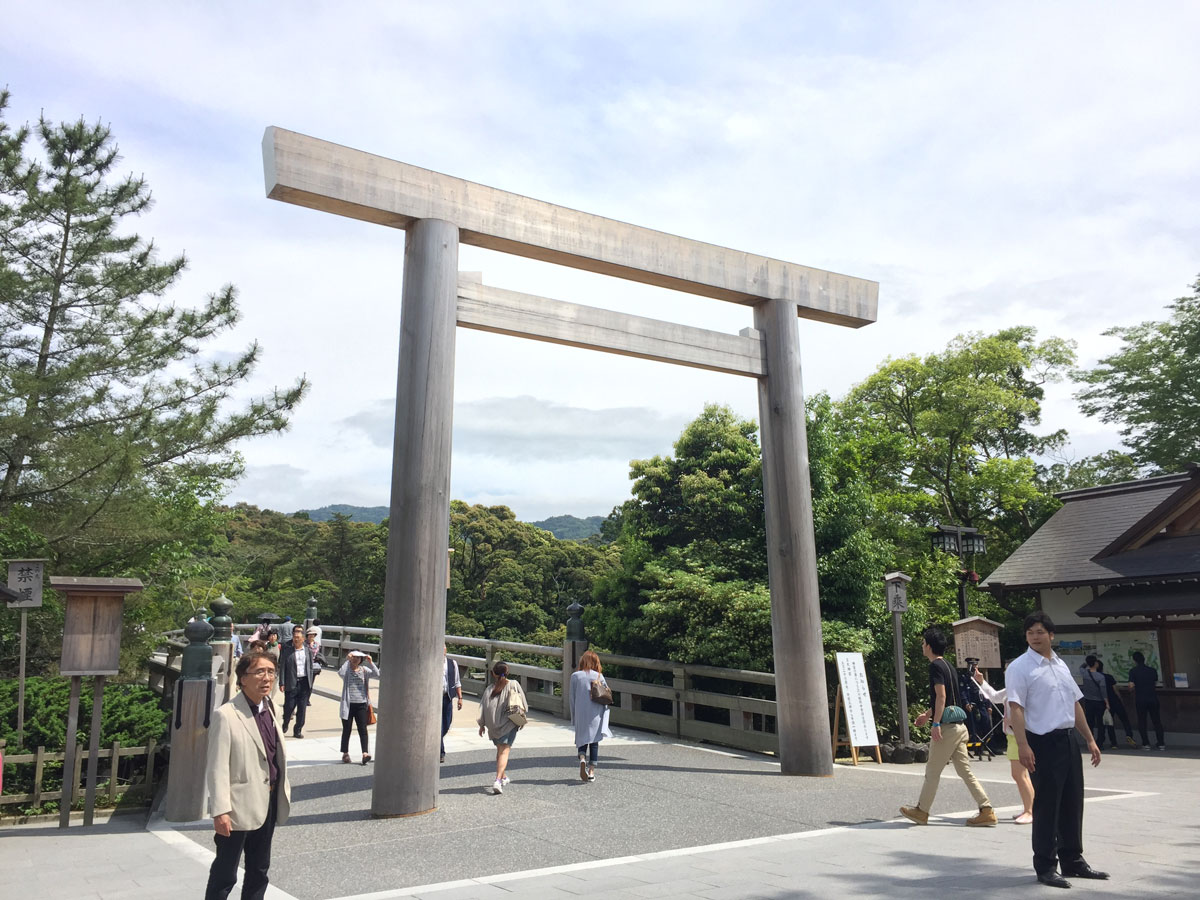
- Torii Gates & Shimenawa: A Torii is the wooden or stone archway marking the entrance to a Shinto shrine, functioning as the boundary to the Kami dimension. Hanging beneath them are Shimenawa—heavy ropes made of braided rice straw wrapped with zigzag papers called shide (representing lightning), which separate the earthly world from the heavenly.
- Omamori, Ema, & Omikuji: At shrines, visitors purchase Omamori (blessed fabric pouches containing lucky charms for health, safety, or exams), write personal wishes on wooden tablets called Ema (historically depicting horses, the vehicles of the gods), and draw Omikuji paper fortunes to peek into their future.
- Jizo Statues & Juzu: At Buddhist temples, you will frequently encounter Jizo—small, compassionate stone guardian statues clothed in red bibs that protect children and travelers. Worshippers also use Juzu, Buddhist rosary strands typically featuring 108 beads designed to systematically purify human beings of the 108 worldly desires.
Step-by-Step Guide: Etiquette for Visiting a Shinto Shrine
To show proper respect when stepping into the sacred dimensions of Japan’s Kami, international travelers should follow these essential steps:
Pass Through the Torii:Step 1。
Before walking under the main Torii gate, pause and perform a slight bow toward the shrine to show respect before entering the sacred grounds. Avoid walking directly down the center of the path, as that lane is reserved for the gods.
Purify at the Temizuya:Step 2。
Locate the stone water pavilion on the side of the path. Take the wooden ladle with your right hand, pour sacred water over your left hand, switch hands to wash your right hand, and finally rinse your mouth before placing the ladle back down.
Offer Osaisen:Step 3。
Approach the front of the main sanctuary hall (Haiden). Gently toss a coin into the large wooden offertory box (Osaisen). While any amount is acceptable, a 5-yen coin is considered luckiest as its name sounds like the Japanese word for good fortune.
Bow, Clap, Bow:Step 4。
Ring the hanging bell if one is present, then perform the classic ritual: Bow deeply twice, clap your hands crisply twice, hold your hands together to pray silently, and conclude with one final deep bow to thank the deity for listening.
Q & A
Q: What is the main difference between a Shinto shrine and a Buddhist temple?
A: Shinto shrines are dedicated to indigenous nature spirits (Kami) and are easily identified by a prominent entrance Torii gate, Shimenawa straw ropes, and architecture that blends harmoniously into the natural landscape. Buddhist temples enshrine statues of Buddha, feature large two-story gates, pagodas, and incense burners, and are deeply tied to ancestral memorial services and funeral rituals.
Q: Are Japanese people Shinto or Buddhist?
A: Most Japanese people do not identify exclusively with one religion; instead, they practice a harmonious mix of both. Statistically, nearly 70% of the population participates in both Shinto and Buddhist rituals throughout their life. This syncretism allows Shinto to govern celebratory life events (births, marriages, harvests) while Buddhism handles matters of the soul and the afterlife (funerals, memorial milestones).
Q: Why do Japanese people clap their hands at a Shinto shrine?
A: Worshippers clap their hands twice during a Shinto prayer ritual to joyfully awaken the residing Kami, express sincere appreciation, and summon the deity’s presence to hear their silent prayers. It also serves a practical purification purpose, clearing away any lingering negative or stagnant energy from the immediate area before communication begins.
Q: Is Christianity practiced in Japan?
A: Yes, though Christians make up a relatively small percentage of the total population in Japan. While Christian holidays like Christmas are celebrated commercially nationwide, active Christian communities and historical churches are located primarily in the southwestern region of Kyushu, particularly around Nagasaki, due to historical trade contacts and missionary work with Portuguese explorers during the Edo period.
Want to truly understand the spiritual heart of Japanese culture? As seasoned travel experts, we specialize in crafting custom group and private tours that offer deep historical insights into Japan’s sacred shrines and historic temples. Contact Japan City Tour today to start designing your unforgettable, immersive holiday!
Last updated: July 2026