
Japan Guide
-
Hamarikyu Gardens: Tokyo’s Seaside Oasis Where History Meets Modernity
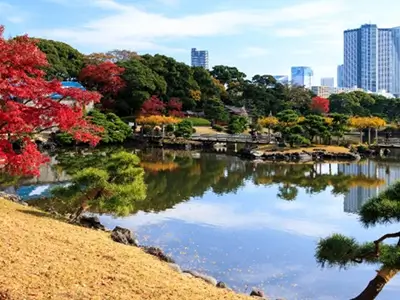
The Hamarikyu Gardens are a Japanese-style park in central Tokyo where a fresh sea breeze blows. The gardens used to belong to the shogun lords and the Imperial Family, and you can still see some remnants of those days.
-
Ueno Park, Tokyo: A Perfect Blend of Culture, Nature & History
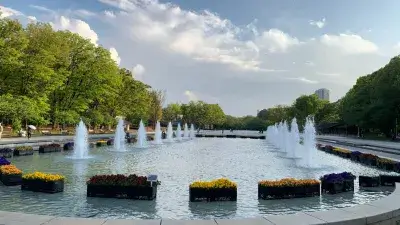
The Ueno Park in Tokyo has many temples and museums, and it is one of the most famous places to enjoy the cherry blossoms in spring.
-
Itsukushima Shrine Travel Guide
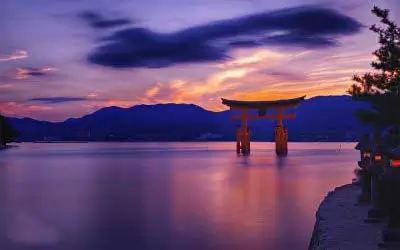
A floating shrine, sacred deer, and a whole island considered divine—welcome to Itsukushima, better known as Miyajima. Located in Hiroshima Bay, this small island has long been one of Japan’s most iconic destinations. Itsukushima Shrine, with its vermilion torii gate standing in the sea, has inspired poets, pilgrims, and photographers for centuries.While the view at…
-
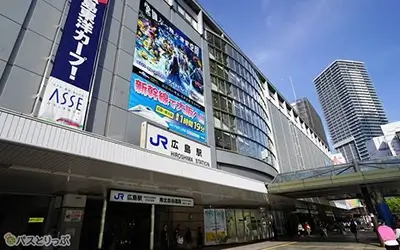
Hiroshima Travel Guide
Hiroshima is a name the world will never forget. On August 6, 1945, it became the site of the first atomic bombing in history. But what’s just as remarkable as its tragic past is how far the city has come since. Today, Hiroshima is a vibrant, welcoming destination where history, peace, and modern culture coexist.…
-
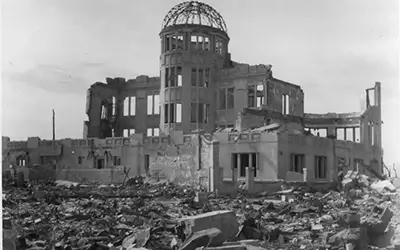
Atomic Bomb Dome
A skeletal dome standing silently by the river—it’s one of the most haunting and powerful images in all of Japan. The Atomic Bomb Dome, or Genbaku Dome, is the preserved ruin of a building that stood just 160 meters from the epicenter of the world’s first nuclear attack. On August 6, 1945, Hiroshima was devastated…
-
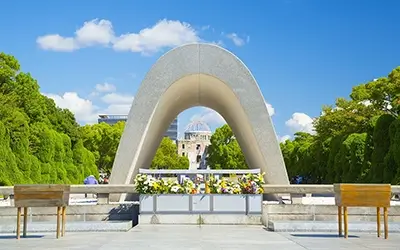
Hiroshima Peace Memorial Park
Hiroshima Peace Memorial Park isn’t just a place to visit—it’s a place to reflect. Built on the site most devastated by the atomic bombing in 1945, this park now stands as a symbol of hope, remembrance, and peace. Stretching across the heart of Hiroshima, the park is home to iconic landmarks like the Atomic Bomb…
-
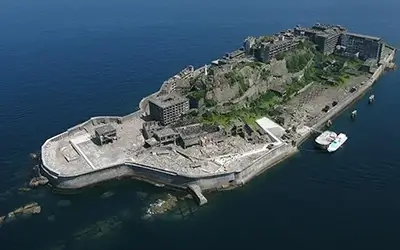
Gunkanjima (Hashima Island)
What is Gunkanjima? Gunkanjima, or Hashima Island, is a small, abandoned island off the coast of Nagasaki. From a distance, it looks like a battleship—so people started calling it “Gunkanjima,” which means “Battleship Island” in Japanese. The island has a powerful history. It once had a busy coal mine run by Mitsubishi. In the 1950s,…
-
Dutch Slope
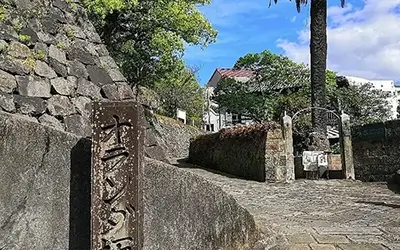
What is Dutch Slope (Orandazaka) in Nagasaki? Dutch Slope, or Orandazaka (オランダ坂), is a quiet stone path in Nagasaki’s Higashi-Yamate area. It got its name because many Westerners lived nearby in the 1800s—not just Dutch people, but also British and American traders.Today, you can still walk past old Western-style houses, ivy-covered walls, and scenic corners.…
-
The Perfect Shirakawa-go Travel Guide – Gassho Houses & Winter Magic
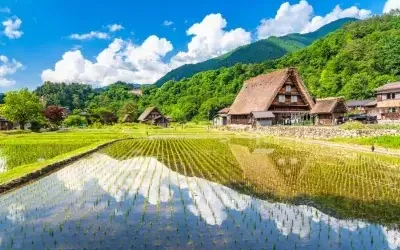
Tucked away in the mountains of Gifu Prefecture, Shirakawa-go is one of Japan’s most iconic rural destinations. Famous for its gassho-zukuri farmhouses—steep thatched roofs designed to shed heavy snow—it’s a place where time slows down and tradition lives on.The village is listed as a UNESCO World Heritage Site, and draws visitors year-round for its fairytale-like…
-
The Perfect Takayama Travel Guide – Old Streets & Hida Beef
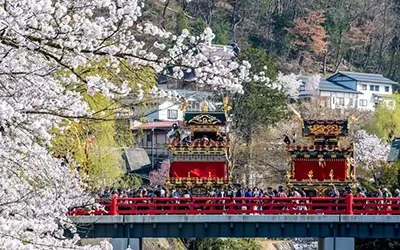
Tucked away in the mountains of Gifu Prefecture, Takayama is one of Japan’s best-preserved traditional towns. Known for its historic wooden architecture, morning markets, and regional cuisine like Hida beef, Takayama offers a peaceful yet immersive cultural escape. Strolling through the streets of Sanmachi Suji, you’ll find Edo-period homes, sake breweries, and local artisans still…
-
Fun Amusement Parks in Japan
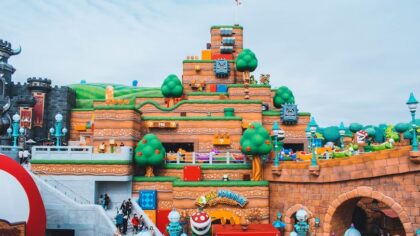
Some of the world’s best amusement parks are in Japan! Which theme parks should definitely feature on your to-go list when you travel to Japan?
-
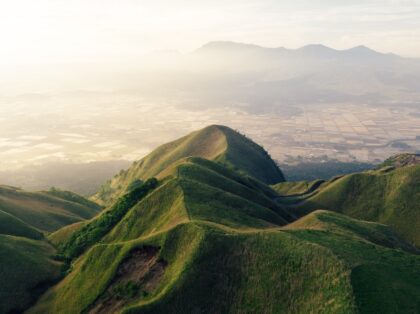
Nature Love in Japan | Japanese Culture Guide
Nature love is all around in Japan. What’s the history of Japan’s relationship with nature? And how can you immerse yourself in nature when you travel to Japan?
-

Yokai | Scary and Cute Japanese Monsters
Do you like slightly unsettling and scary folk tales? Japan has plenty of them. Let us introduce 3 famously eerie Japanese yokai monsters to you!
-
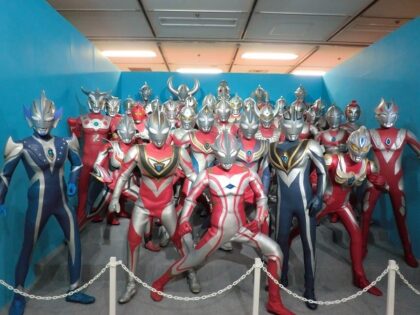
The world’s most popular Ultraman
Discover Ultraman’s 50+ year legacy, from iconic TV heroes and series history to real-world locations like Ultraman Street and fan festivals.
-
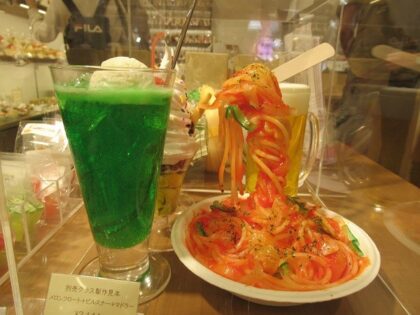
Discover Japan’s Amazing Plastic Food Samples
Elaborately made food samples in Japan’s restaurant windows help you decide if you want to eat there. Did you know that you can buy them as a souvenir or even try to make them yourself?
-
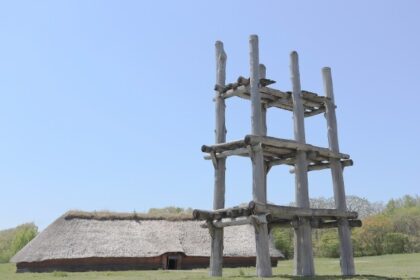
Jomon Period | The Beginning of Japanese History
The Jomon Period is the first-named period in Japanese history, and it was 70,000 – 10,000 years ago. Let’s learn what the period was like and where you can see related ruins and exhibitions.
-
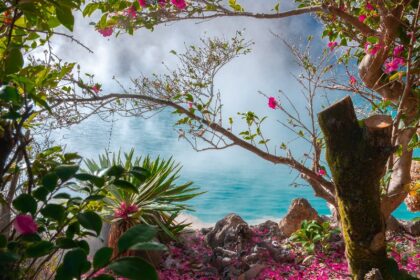
Top Relaxing Activities in Japan for Mind and Body
Do you want to return from your trip to Japan completely refreshed? Why not end your holiday with a day or 2 of these relaxing activities?
-
Japanese History : A Short and Simple Overview
Have you always wanted to understand Japanese history in a nutshell? Here is a handy, short overview of Japanese history from 14,000 BC to the modern time!
-
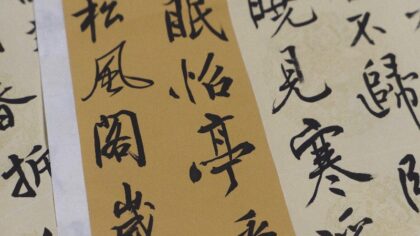
Calligraphy in Japan | Beautiful and dynamic expression
Known as “shodo,” Japanese calligraphy is a timeless art form. Discover its historical roots and how it continues to shape modern culture.
-

Maglev Super Fast New Train in Japan
Maglev is a super fast train that uses magnetic levitation. Japan is currently building a maglev train that will run up to 500 km/h. See where you can already experience this train in action.