
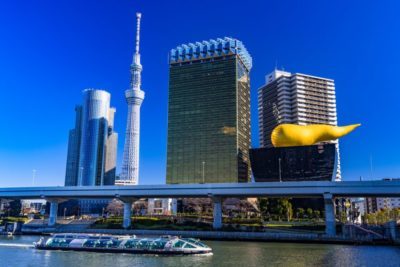
The Kanto region is a geographical area of Honshu, the largest island in Japan. The boundaries of this region roughly coincide with the Kanto Plain. The region is made up of the Gunma, Tochigi, Ibaraki, Saitama, Chiba, Kanagawa and Tokyo Metropolis prefectures.
-
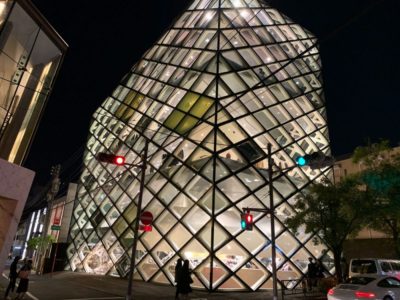
Easy to Visit even for Tourists in Tokyo | Travel Guide
What do Roppongi, Hiroo, and Azabu have to offer the intrepid tourist who wants to veer a bit off the beaten path?
-
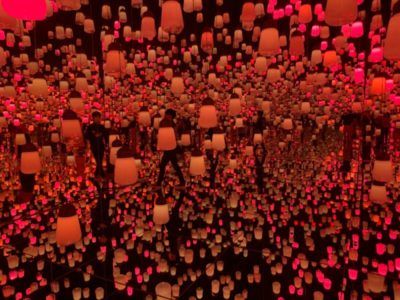
TeamLabo | An Extraordinary and Wonderful Experience
What will you experience at the teamLab Borderless exhibition in Odaiba, Tokyo? This is a lively description of a visit by a few of our staff to this wonderful digital art museum.
-
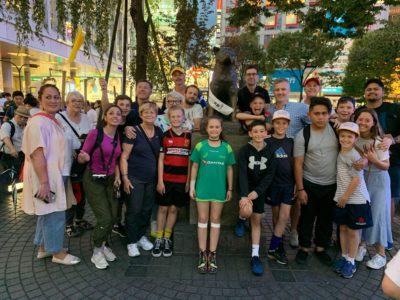
Make Your Family Vacation The Most Memorable One Ever! | Travel Guide
Tokyo is a great destination for families with kids. Our local experts give you a whole bunch of tips to have the best holiday you ever had with your family!
-
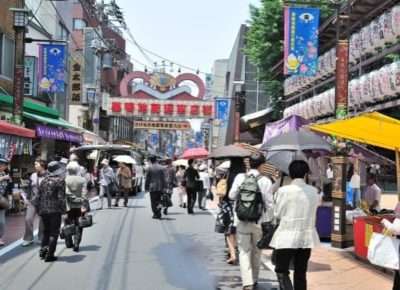
Sugamo, The Harajuku of Old Ladies that retains its old-time charm
Sugamo is a local Tokyo neighborhood that is especially popular with elderly ladies. Find out why you should include this area on your Japan tour itinerary if you like to see how the locals live.
-

The Tokyo Station Area, Full of Attractions | Travel Guide
Tokyo Station is not only a place where you go to catch the shinkansen, it is very much an area with plenty of dining, entertainment, and shopping options. Architecture fanatics will also have a field day in Marunouchi.
-
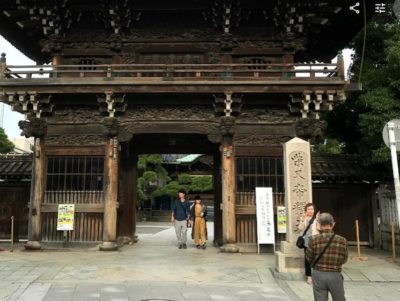
Shibamata, a Local and Quiet t Town in Tokyo
Off the beaten path but full of history and picture-perfect vistas, that is Shibamata in Tokyo. How can you enjoy this area best? Find out where to go and what to eat in Shibamata.
-

Nihonbashi & Ningyocho a Hidden Tourist Spots
Most Japan tours start in Tokyo. Even if you don’t have much time here, Nihonbashi and Ningyocho will offer you a lot on the city’s history and food culture. Find out what there is to discover in these historical areas!
-

Ryogoku, the city of Sumo, Japan’s National Sport
Ryogoku is known as Tokyo’s sumo neighborhood. What is sumo about? Where can you go to see sumo wrestlers in action? Where can you eat a dish typically eaten by wrestlers? And what else is there to see in Ryogoku?