
Japan Travel Guide
-
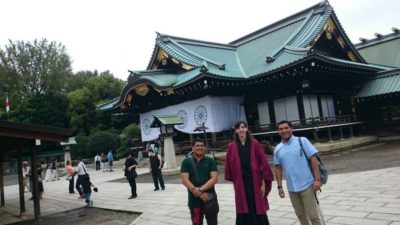
Yasukuni Shrine, Tokyo | The most famous and beautiful shrine in Japan
The Yasukuni shrine is considered one of the most important shrines in Japan. It is also a controversial shrine because this is where Japan’s war dead are honored. Learn more about the shrine and its controverse.
-
Yoshiwara Former Prostitution District | Mysterious charm of the adult world
In the traditional area of Asakusa in Tokyo, about 20 minutes from the famous Sensoji temple, you can reach the Yoshiwara Shrine. This small shrine has a tragic history.
-
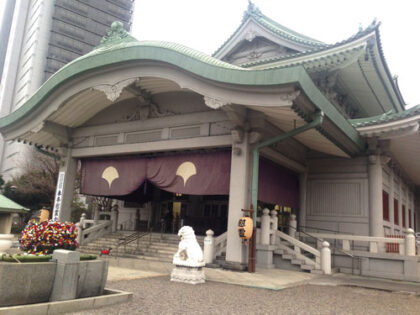
Yokoamicho Park, Tokyo | Center of the Sumo wrestling world
Due to the firestorm that tore through the eastern side of Tokyo after the great Tokyo earthquake in 1923, thousands of people died in the area that is now Yokoamicho Park.
-
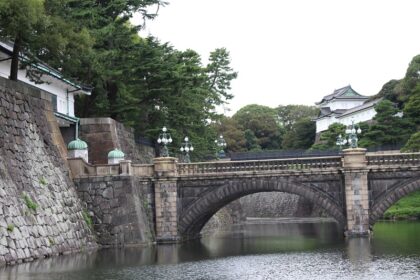
The Imperial Palace | Beautiful Sscenery and a Symbol of Japan
The imposing Imperial Palace and its wonderful Japanese garden are on top of most tourists’ must-see lists. A visit to the location of the former Edo castle is best done after learning a bit more about its history.
-
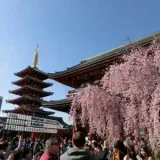
Asakusa, Tokyo | Quaint history and beautiful scenery
Asakusa is one of Tokyo’s most popular districts to visit for both local and international tourists. This is because of the traditional atmosphere and the Sensoji. Learn more about the area’s history!
-

Local Kyoto with its quaint scenery
If you have already finished the beginners‘ course of travel in Kyoto and traveled around the many touristy spots, it is time to explore the daily lives of the locals!
-

Asahikawa Area, Hokkaido | A city with the largest national park in Japan
Asahikawa is the second-largest city in Hokkaido. Early February each year the Ashikawa Winter Festival is held here, but there are more reasons to visit this cool city.
-
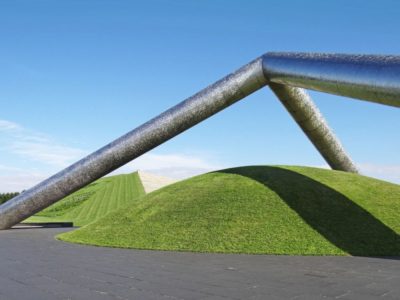
Sapporo and Moerenuma Park, Hokkaido | Beautiful scenery in every season
Sapporo is the capital of Hokkaido, Japan’s northernmost island. The Moerenuma Park was designed by the world-famous sculptor Isamu Noguchi.
-

Kawayu Onsen, Hokkaido | Unusual volcanic hot spring
Kawayu Onsen is a resort of hot springs in the middle of Akan National Park in Hokkaido. It is a good place to stay if you want to discover the natural bounty of the surrounding park.
-
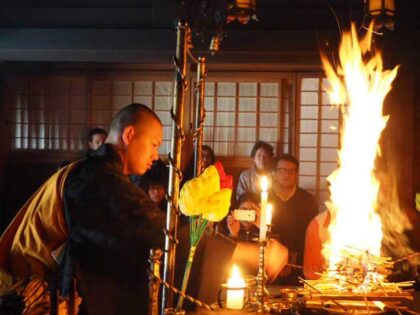
Koyasan with its Gorgeous Architecture and Traditions
Koyasan is a center of Buddhist study and practice, located in the northeastern part of Wakayama Prefecture. It is surrounded by eight low peaks in Koya-Ryujin Quasi-National Park.
-
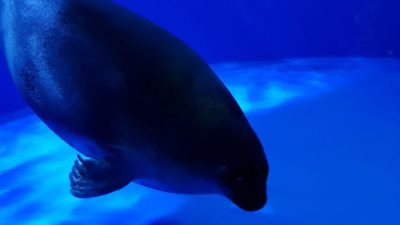
Aqua Park Shinagawa with beautiful decorations and marine attractions
Maxell Aqua Park is an aquarium located in the Shinagawa area in Tokyo. There are many exhibitions of marine species and several rooms with special illuminations, which makes this aquarium different from the others.
-
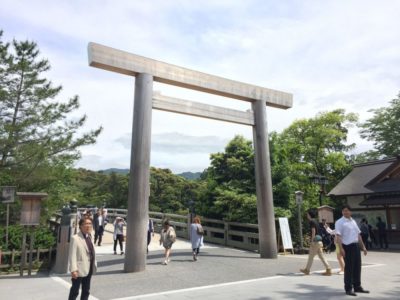
Ise Jingu Shrine, Mie | The origin and pinnacle of Japanese shrines
Ise Jingu in Mie prefecture is listed as the most important Shinto shrine in Japan. What’s the history of this shrine, and which rituals are carried out here?
-
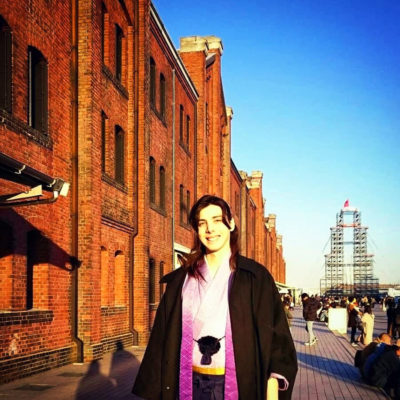
Yokohama Red Brick Warehouse | A Symbol of Yokohama
The Yokohama Red Brick Warehouse was built as a model warehouse in the country from the late Meiji era to the early Taisho era.
-
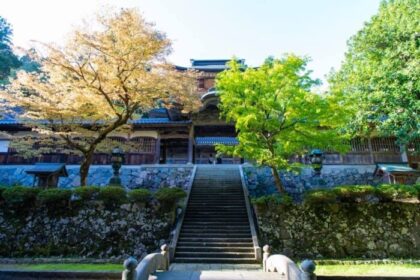
Eiheiji Temple, Fukui | Beautiful natural environment and practicing monks
Eiheiji, ‘The Temple of Eternal Peace’, is one of the two most important temples of the Soto Zen School. It is located deep in the mountains near the northwest coast of Japan, not far from the city of Fukui.
-
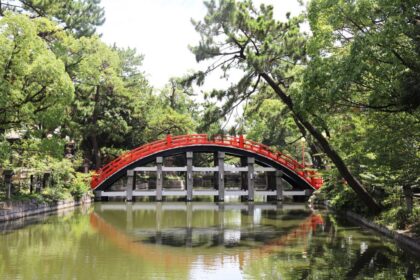
6 Recommended Places in Osaka
To help you decide where to go in Osaka if you are short on time, we compiled a list of the 5 best places to visit in this bustling city.
-
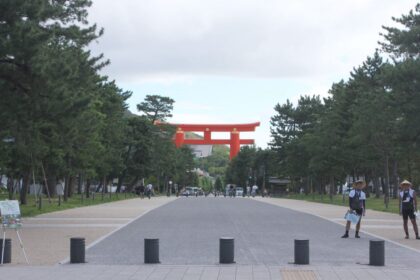
5 Great Kyoto Sightseeing Destinations
While planning a trip to Kyoto, it can be difficult to make the decision to choose where to go if you have a limited amount of time due to the large number of amazing sights that exist in Japan’s ancient capital city. This is a list of the 5 best places to visit during your…
-
5 Especially Great Places to Visit in Tokyo
While planning a trip to Japan, it can be difficult to make a choice of where to go, due to the great number of interesting places to visit. Therefore, we made a list of the 5 best places to visit while traveling in Tokyo.
-
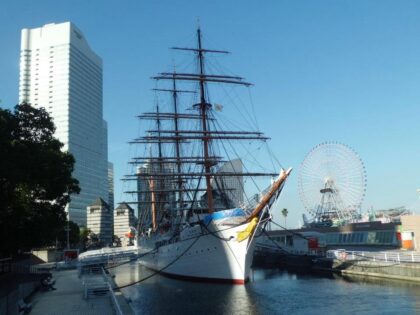
Minato Mirai is Full of Fun Attractions
In 1981 the municipal government of Yokohama, Japan’s second-largest city after Tokyo, started to revitalize its port area in order to carry Yokohama into the 21st century as a business hub independent of Tokyo. Minato Mirai 21 is the 1.2-mile urban redevelopment of the waterfront of Yokohama.
-
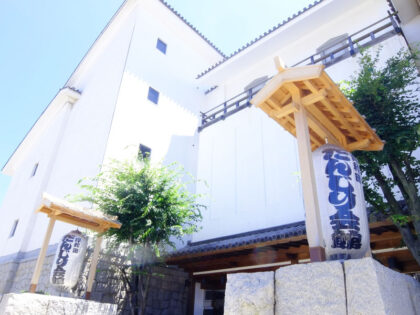
Danjiri Kaikan Museum, Osaka | Experience a beautiful festival
The Danjiri Kaikan is an interactive and fun museum located in Osaka near Kishiwada Castle. It provides information and activities on the Kishiwada Danjiri Festival, which is very famous in Japan.
-
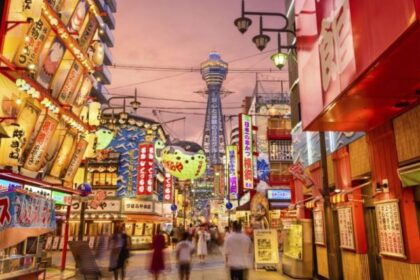
Shinsekai, Osaka | Travel back in time to the retro Showa era
If Osaka is on your itinerary, Shinsekai is a very interesting neighborhood to explore. The atmosphere is somewhat retro-feeling, making you feel like you have returned to Japan at the height of the Showa period (1926-1989).