
Kyushu
-
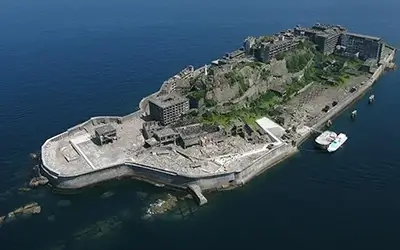
Gunkanjima (Hashima Island)
What is Gunkanjima? Gunkanjima, or Hashima Island, is a small, abandoned island off the coast of Nagasaki. From a distance, it looks like a battleship—so people started calling it “Gunkanjima,” which means “Battleship Island” in Japanese. The island has a powerful history. It once had a busy coal mine run by Mitsubishi. In the 1950s,…
-
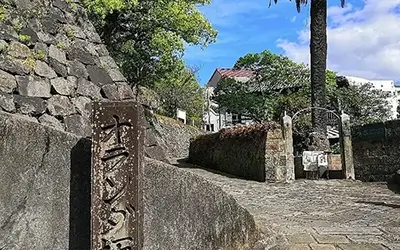
Dutch Slope
What is Dutch Slope (Orandazaka) in Nagasaki? Dutch Slope, or Orandazaka (オランダ坂), is a quiet stone path in Nagasaki’s Higashi-Yamate area. It got its name because many Westerners lived nearby in the 1800s—not just Dutch people, but also British and American traders.Today, you can still walk past old Western-style houses, ivy-covered walls, and scenic corners.…
-

Onta Pottery | Traditional Pottery with very beautiful patterns.
Onta is a small village in Oita, Kyushu. They produce pottery with traditional techniques without using electric power. Strolling along the old street and visiting a few workshops to watch how they produce pottery is a great way to enjoy this town.
-
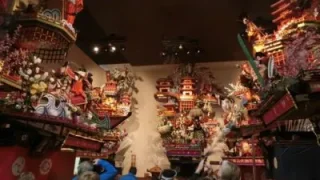
Hita, Oita | A town that lives with clear water
Hita is a city in Kyushu that attracts tourists with its beautiful old town with 200-year old houses, a float festival, and traditional ceramics. See what this off-the-beaten-path destination has to offer.
-
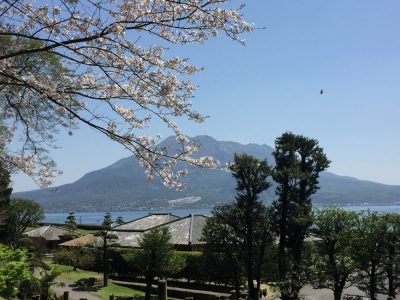
Kagoshima City Famous for Sakurajima | Kagoshima Travel Guide
For history, activities in nature, and a balmy climate, Kagoshima is the place to go. Having always been more open to foreign influences, you can still find plenty of proof of that in local culture and Kagoshima’s historical buildings.
-
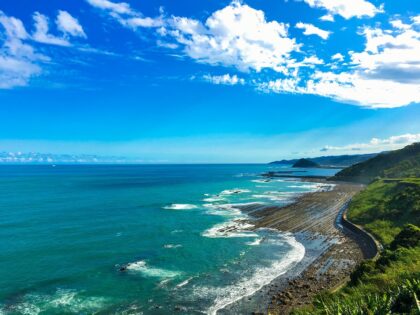
Aoshima, a Beautiful Island surrounded by Blue and Green
The small island of Aoshima on the southeastern coast of Kyushu, Japan, is a little pearl of nature. Its most famous attraction is the ‘Devil’s washboard’ formation, but there is more to be seen here.
-
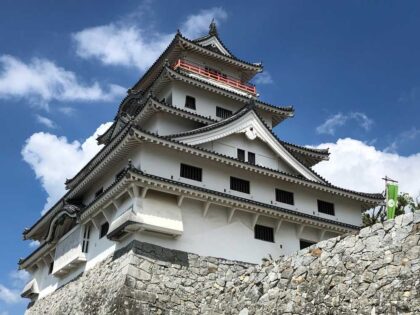
Karatsu City, Famous for Karatsu Kunchi and Karatsu Pottery
Karatsu Castle, Takatori’s Old Residence, wild natural scenery, and pottery beautiful in its minimalist simplicity are just some of the attractions that Karatsu in Kyushu, Japan has to offer. Find out what to include on your Karatsu itinerary!
-
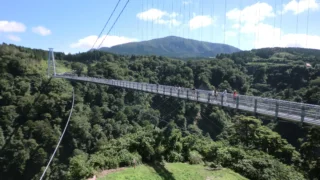
Kokonoe Yume Otsuribashi, Oita | Exhilarating and beautiful view as if you are walking in the sky
Kokonoe Yume Tsuribashi is one of the longest suspension bridges for pedestrians in Japan with a length of 390 meters. It is located in the mountains of Oita Prefecture in Kyushu and boasts amazing views!
-
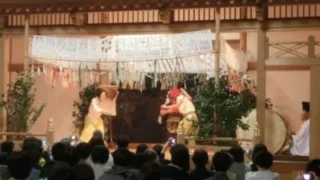
Takachiho Yokagura, Miyazaki | Beautiful performance based on Japanese mythology
Takachiho is a town that is located on a mountain in the northern part of Miyazaki Prefecture, Kyushu. The Takachiho Yokagura is a traditional dance that has been performed by local men for a long time.
-
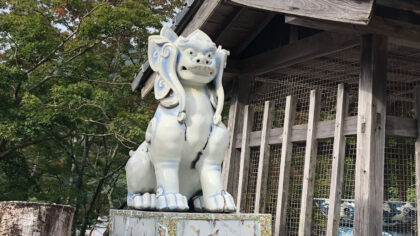
Arita and Imari | Traditional Pottery Towns in Japan
Arita and Imari are small towns that are located in Saga Prefecture. They have been known as towns of pottery for about 400 years.
-
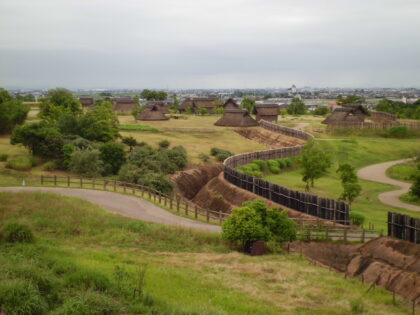
Yoshinogari Ruins where you can see what Japan was like 2000 years ago
Yoshinogari is an important archaeological site located on the plain of Saga Prefecture. By visiting this site you can get a rough image of a Japanese village of about 2,000 years ago.
-
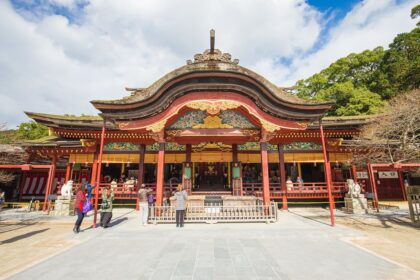
Dazaifu Tenmangu Shrine where the God of Learning is Enshrined
Dazaifu City is located about 15km south-east from the center of Fukuoka City. Dazaifu Tenmangu is a Shinto shrine and the most important place in this city.
-

Renovation of Kumamoto Castle, now even more beautiful and attractive
I’m a local guide who was born and raised in Kumamoto, which is located on Kyushu island in the southwest of Japan. In April 2016, a big earthquake of magnitude 7.0 hit my hometown.
-
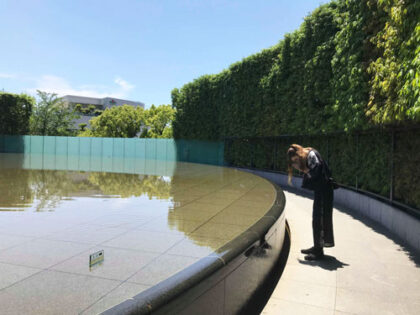
Atomic Bomb Museum, Nagasaki | A Place for World Peace
In Nagasaki, very close to where the epicenter of the explosion of the atomic bomb was, is the Atomic Bomb Museum. Here, you can learn about what happened in 1945, and why this should never happen again.
-
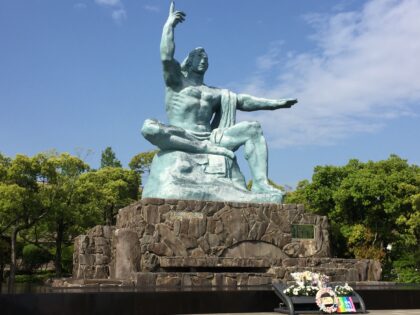
Nagasaki Peace Park, Nagasaki | A Place for World Peace
One of the most emotional places in Japan is the so-called Peace Park. It is located in Nagasaki, a few minutes’ walk from the atomic bomb museum and it commemorates the victims of the atomic bombing.
-
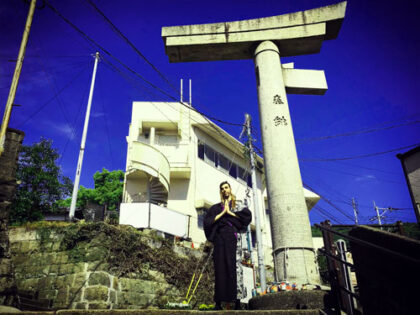
Sanno Sanctuary, Nagasaki has connected Japan with the world
One of the most impressive and curious places in Nagasaki is the Sanno Shrine because the main torii (gateway to the shrine) maintains only one pillar. How did this happen?
-
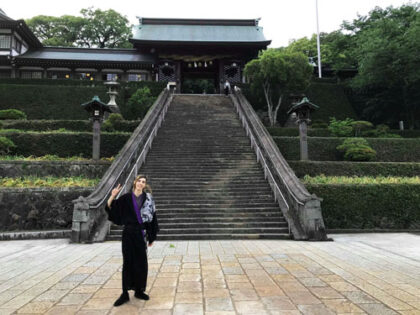
Suwa Shrine, Nagasaki | Beautiful main shrine and historic statues of sacred horses
The Suwa shrine in Nagasaki was founded in 1614 as a way to expel the Christian faith from the region. During the Edo period, Nagasaki was one of the few places where there was contact with foreigners.
-
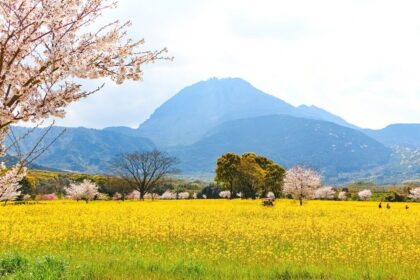
Shimabara, Nagasaki | Beautiful nature and rich tourism resources
Although Shimabara has been plagued by (man-made) disasters in its history, it is a nice town to visit when you are traveling through Kyushu. The upside to being in a seismically active area is that there are many hot springs to be found.
-

Monument For The 26 Martyrs | Clash of Japanese Culture and Christianity
Around 1549, Christian missionaries started arriving in Japan. They usually came from countries such as Spain and Portugal, and their objective was to spread the word of the church.
-
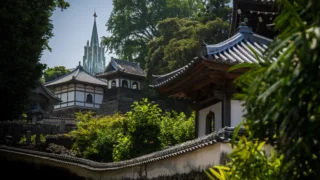
Nagasaki City | A city that connects the world and Japan
The city of Nagasaki is especially known for having been bombed with an atomic bomb during WW2. This fact overshadows its long history as an ancient point of contact with the Portuguese and the Dutch.