
Kansai
-
Yamazaki Distillery: The Birthplace of Japanese Whisky
Complete guide to Yamazaki Distillery, the birthplace of Japanese whisky. Learn about reservation-only tours, manufacturing processes, tasting experiences, and access information for this essential destination to understand Japan’s whisky culture.
-
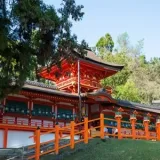
Kasuga Taisha, Nara-Discover the Spiritual Heart of Japan
Kasuga Taisha Shrine was founded in the 8th century by the Fujiwara family and used to be completely rebuilt every 20 years, according to Shinto tradition, until the end of the 14th century.
-

Nara National Museum- A Must-Visit Cultural Experience in Nara
Nara National Museum is located in Nara Park where you can also see famous temples such as Todaiji Temple and Kohukuji. The museum exhibits mainly Buddhist art.
-
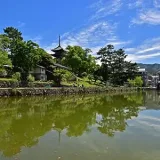
Kōfuku-ji Templeー Discover the Historic Heart of Nara
The Kofukuji Temple was moved to its current location in Nara from Kyoto in 710, the year when the capital was moved to Nara. The pagodas and the museum are worth a visit.
-
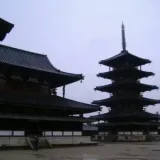
Horyuji Templeー Step Into The World’s Oldest Wooden Buildings (1400+ Years)
The Horyuji temple in Nara was founded in 607 by Prince Shotoku and has the oldest wooden buildings in the world.
-
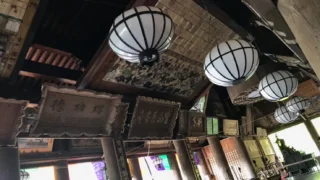
Hasedera Temple, Nara – A Must-Visit Historic and Scenic Spot in Japan
Various kinds of flowers blooming throughout the year on Hasedera’s grounds, the temple has been nicknamed ‘Flower temple’ since ancient times. I especially love to visit the Hasedera to view the hydrangea in the early summer season.
-
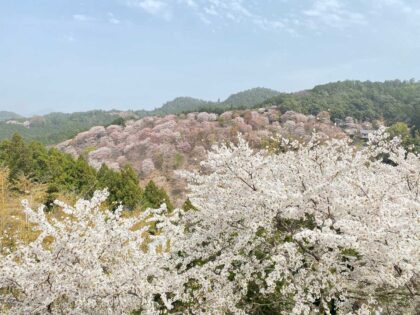
Mount Yoshino Cherry Blossoms – Japan’s Iconic Sakura in Nara
Mount Yoshino is not only a sacred site with pilgrim routes passing through, it is also one of the most beautiful spots in the whole country to see the cherry blossoms in bloom.
-
Todai-ji ー Encounter the Colossal Buddha in Ancient Nara
The Todaiji Temple is located in the famous Nara Park and is the world’s largest wooden structure. Discover more about its long history!
-
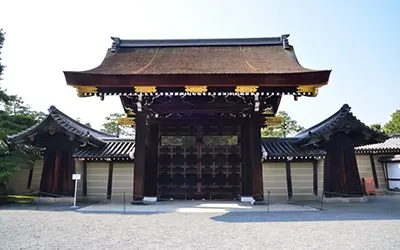
Kyoto Imperial Palace Guide
What is the Kyoto Imperial Palace? The Kyoto Imperial Palace, or Kyoto Gosho (京都御所), was the residence of Japan’s emperors for over 500 years—until the capital moved to Tokyo in 1869. Nestled in the heart of Kyoto Gyoen National Garden, this sprawling complex preserves the refined aesthetics of classical Japanese court life and architecture. Unlike…
-
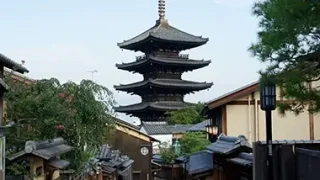
Ninenzaka & Sannenzaka
What are Ninenzaka and Sannenzaka? Ninenzaka (二年坂) and Sannenzaka (三年坂) are two of Kyoto’s most charming stone-paved slopes, located just south of Kiyomizu-dera Temple in the historic Higashiyama district. These pedestrian-only lanes gently wind downhill through traditional wooden buildings, teahouses, souvenir shops, and restaurants—offering a glimpse of Kyoto’s old-town atmosphere. Though they are often mentioned…
-
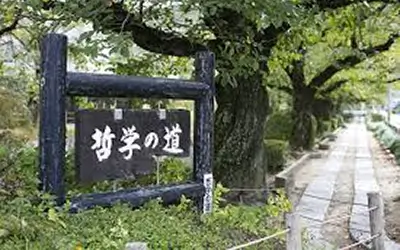
Philosopher’s Path (Tetsugaku no Michi)
What Is the Philosopher’s Path? The Philosopher’s Path (Tetsugaku no Michi) is a scenic 2-kilometer walkway that runs alongside a cherry tree-lined canal in Kyoto’s Higashiyama district. Named after the famous Kyoto University philosopher Nishida Kitaro, who used the path for daily meditation walks, it offers a calm and contemplative escape from the city bustle.…
-
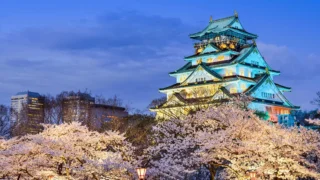
Osaka Castle: The Golden Guardian of Japan’s History
Discover Osaka Castle, the golden symbol of Osaka’s history. Complete visitor guide to the castle museum, seasonal gardens, historical significance, and practical tips for your visit.
-

Discover Osaka’s Sky: The Magnificent Umeda Sky Building
The Umeda Sky Building in Osaka is located near Osaka station and well-worth a short visit. The view from the observation deck is amazing, and the building itself is an architectural masterpiece.
-
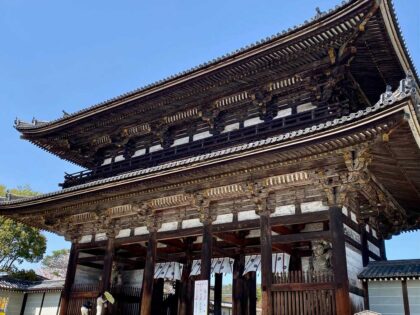
Ninna-ji Temple | Beautiful cherry blossom viewing spots in Kyoto
Not far from the famous Golden Pavillion is Ninna-ji temple. If you come during cherry blossom or maple leave season you can’t skip this temple, but also outside these seasons it’s worth a visit.
-

Universal Studios Japan (USJ), Osaka | A unique experience that can only be had here
Universal Studio Japan (USJ) in Osaka is one of Japan’s biggest and best theme parks. Read this article to get some tips and tricks on how to best enjoy a visit to USJ!
-
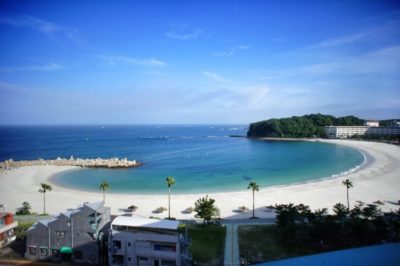
Shirahama Beach, Wakayama | Beautiful nature and one of the best hot spring resorts in Japan
Shirahama in Wakayama is a popular beach resort with hot springs nearby. You can enjoy a white sandy beach, beautiful viewing spots, a zoo with pandas, and more.
-

Uji Kyoto | World Heritage Sites and Green Tea Production
How to experience green tea town Uji on your Japan tour? Let us share with you our favorite places in this beautiful little town near Kyoto!
-
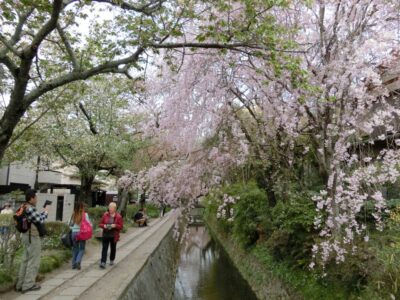
Philosopher’s Path in Kyoto | Quiet Atmosphere and Beautiful Trees
The ideal spot for some quiet thinking and to enjoy the 4 seasons of Japan, the Philosopher’s Path is beloved by tourists and locals alike. Find out how you can enjoy this wonderful little corner in Kyoto!
-
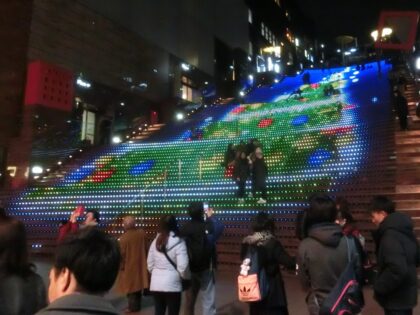
Kyoto Station | It’s a transportation hub and a shopping destination
Kyoto station is not just a place to catch the train, as there is plenty to see and do besides arriving and departing. Find out what makes Kyoto station worth visiting during your Japan tour!
-

Nachi Katsuura, Wakayama | Beautiful Nature and Delicious Tuna
Nachi-Katsuura is a small town in Wakayama that is famous for its early-morning tuna auction and nice hot springs. The city itself is very attractive and also a starting point of the popular Kumano Kodo route.