
Japan Travel Guide
-
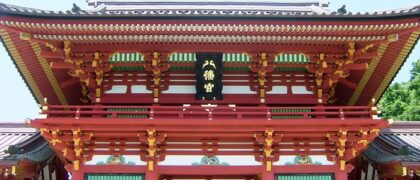
Tsurugaoka Hachimangu Shrine | Stunning bright colors and decorations
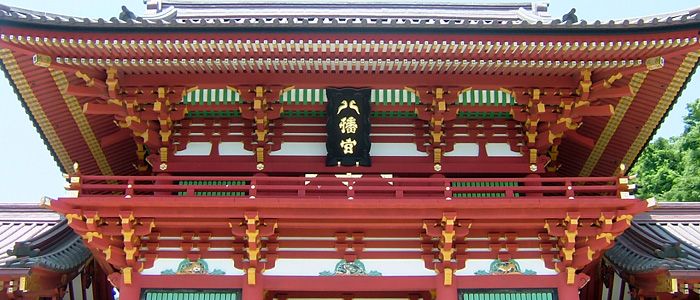
In the very middle of Kamakura sits its most important shrine, the Tsurugaoka Hachimangu shrine. This is the shrine of the illustrious Minamoto family. What’s their story?
-
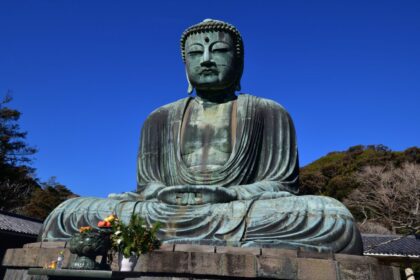
Kotokuin Temple | Unique beauty unchanged since the Kamakura period
Kamakura’s symbol is the big Buddha that’s located in the Kotokuin temple. It is not only a beautiful sight, you can also enter the Buddha to see what it looks like from the inside.
-
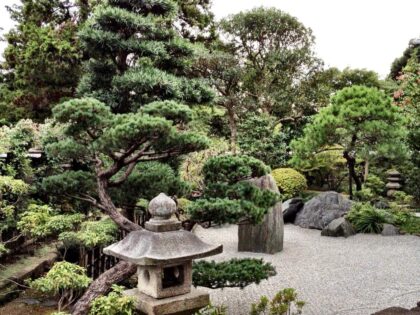
Hasedera Temple | The Western Paradise of Kamakura
The Hasedera temple in Kamakura has one of the most beautiful temple precincts in the area. There are many things to discover, and flower lovers will have a field day.
-
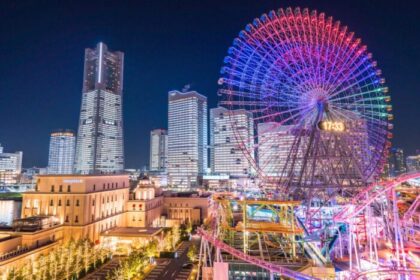
Yokohama | Beautiful historical buildings and the world’s largest Chinatown
Many tourists skip Yokohama in favor of its more famous neighbors Kamakura and Hakone. But if you have time, we’d recommend you to spend a few hours in this modern harbor town as well.
-
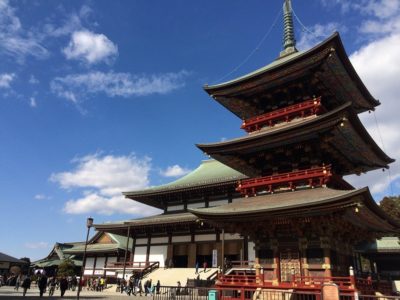
Narita City | Beautiful historic cityscape and many fun leisure facilities
Narita is a city 60 kilometers east of central Tokyo. If you only have a short layover in Narita airport, or if you are spending your last night in Japan near the airport Narita city is worth a visit.
-
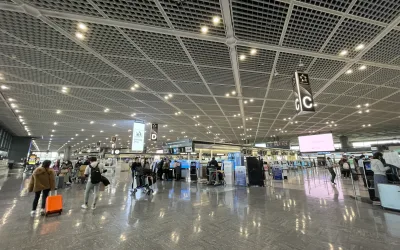
Narita Airport | one of Japan’s Leading Airports
Narita Airport is located about 60 km outside of Tokyo, in the city of Narita. If you have a layover in Narita of at least 4 hours you can visit nearby Narita city which is only a train ride of 15 minutes away.
-
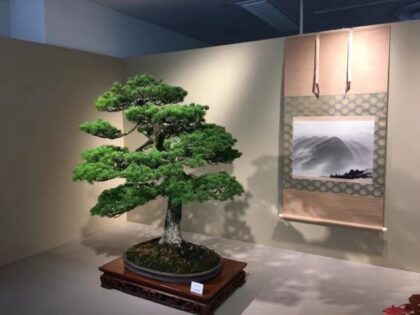
Omiya Bonsai Village | The world’s first Museum dedicated to Bonsai
Omiya’s main attraction is the Omiya Bonsai Village, one of the best places in Japan to get an in-depth insight into the art of aesthetic miniaturization.
-
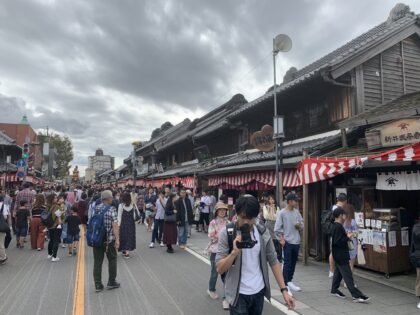
Kawagoe Traditional Village in Saitama | Rich history and culture
In the prefecture of Saitama, there is an intact village that has remained of the Edo Period. The town is called Kawagoe, and it is a popular tourist spot in the otherwise non-touristy prefecture.
-
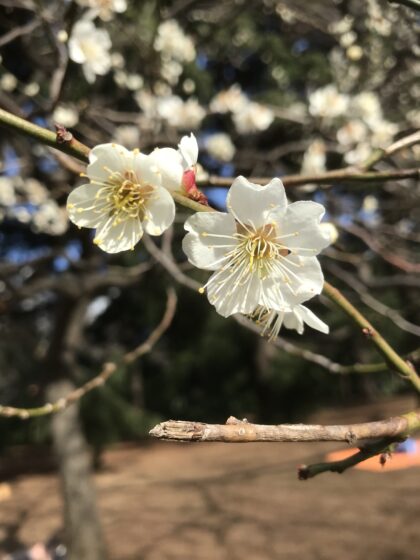
Mito City, Ibaraki | Rich natural and urban attractions
Mito is a city northeast of Tokyo that is a 1.25-hour train ride away. The city is most famous for the Kairaku-en garden, which hosts an amazing plum blossom festival in early spring. You can also enjoy historical sites.
-
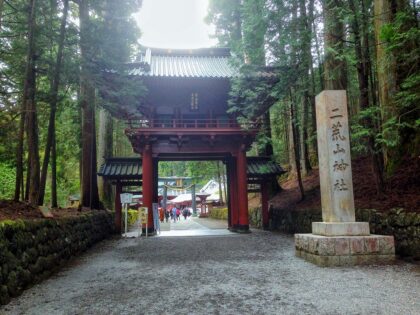
Nikko Futarasan Shrine | Gods of good fortune and matchmaking are enshrined
The Futurasan shrine in Nikko is not as famous as its neighbor Toshogu, but it is definitely worth a stop. It is a great place to appreciate the beautiful natural surroundings.
-
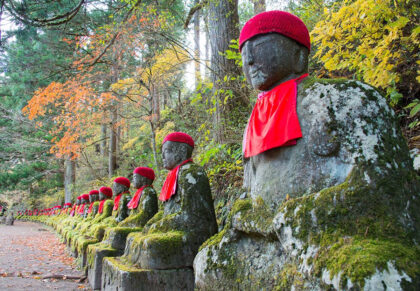
Nikko | Wonderful shrines, temples and natural beauty
One of the most popular day trips from Tokyo is Nikko. A 2-hour train ride away, this village is rich in World Heritage Sites including the famous Toshogu shrine. What should you not miss in Nikko?
-
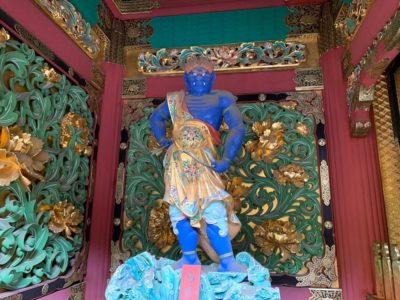
Nikko Taiyuin Tokugawa Mausoleum | Delicate and beautiful architecture
The grave of the third shogun Tokugawa Iemitsu is located in Nikko. It is a colorful temple with beautiful details in the woodwork and quiet surroundings, and very much worth checking out.
-
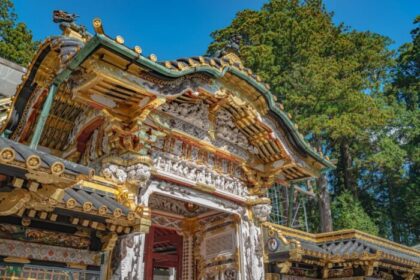
Nikko Toshogu Shrine | Wonderful national treasures and gorgeous sculptures
The Toshogu is Nikko’s most famous landmark. The impressive shrine is the mausoleum of the first Tokugawa shogun, and one of the most beautiful examples of Japanese architecture in the country.
-
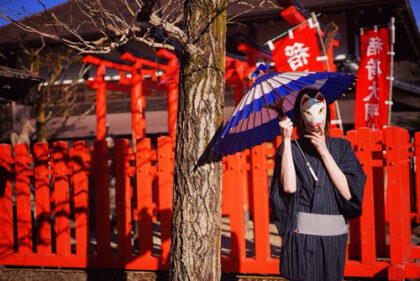
Nikko Edo Wonderland | Time travel to the Edo period!
In the prefecture of Tochigi, there is a place where time travel becomes possible … Come and enjoy samurai, oiran, and more in theme park Edo Wonderland!
-
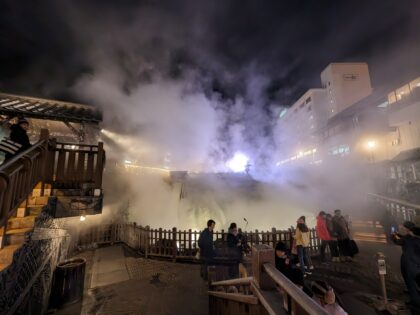
Kusatsu Hot Spring | Large amount of natural hot springs and those beautiful landscapes
The town of Kusatsu in Gunma became well known about 120 years ago after Dr. Balz from Germany, found its hot spring to be very effective against all kinds of ailments.
-
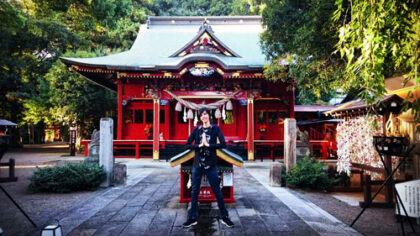
Kanmuri Inari Shrine | Shrine of good harvest and money
While Kyoto’s Fushimi Inari Taisha with the many red torii gates is the most famous shrine in Japan, visiting the Kanmuri Inari shrine in Gunma will give you a more intimate experience.
-
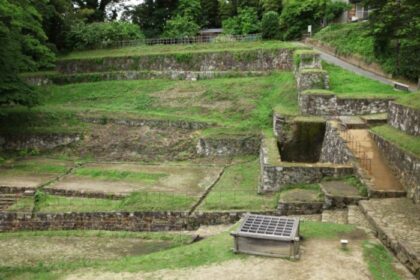
Kanayama Castle Ruins | Beautiful historic castle ruins for those in the know
If you are interested in Japanese history and off the beaten track locations, the Kanayama Castle Ruins are a good place to visit. Learn more about the site’s long history.
-
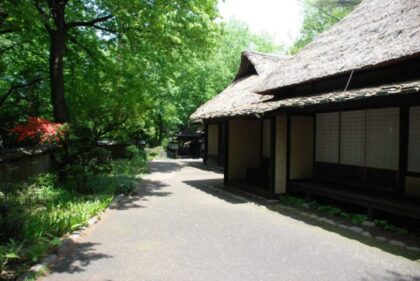
Mikazukimura Historical Theme Park | Time travel to the Edo period!
Mikazukimura is a historical theme park located in Yabuzuka-machi, Ota city of Gunma prefecture. In this park, you can feel the atmosphere of a village in the Edo period.
-
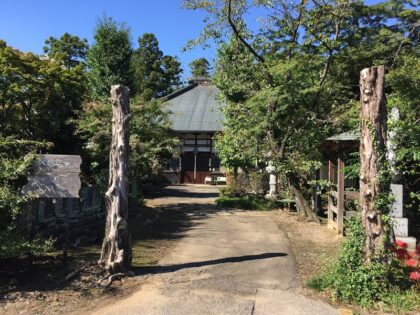
A pilgrimage course to the Seven Gods of Good Fortune in Ota that will bring happiness to your life!
Are you looking for a short pilgrimage to insert some more luck into your life? In Ota City near Tokyo, there is a route where you can do just that!
-
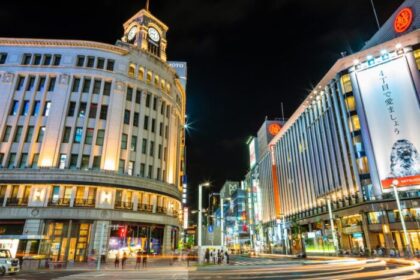
Ginza, Tokyo | One of the Best Shopping Spots in Japan
Ginza is a district in central Tokyo, and its name means ‘silver place’ when translated to English. That still holds true today, as it is one of the most high-end shopping districts in Japan.