
Located just a short train ride north of Tokyo in Saitama Prefecture, Kawagoe is a beautifully preserved historic town that serves as an intact window into the Edo period (1603–1868). Affectionately known as “Koedo” (Little Edo), this vibrant destination allows travelers to step out of modern Tokyo’s neon streets and directly into a bygone era of samurai-age architecture. From grand castle remains and ancient temple complexes to scenic cherry blossom rivers and interactive shrines, Kawagoe makes for the ultimate day trip from the capital.
Strolling through Koedo: Historic Warehouses, Sweets, and Castles
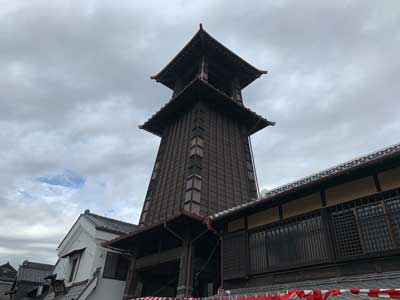
The heart of Kawagoe’s old-world charm lies in Kurazukuri Street, an area lined with distinctive clay-walled, black-brocade warehouses (kura) that have been beautifully converted into traditional craft shops and high-end eateries. Towering over the street is Toki-no-Kane, a iconic three-story wooden bell tower built 400 years ago that still rings out its nostalgic chime four times daily (6 AM, noon, 3 PM, and 6 PM). Just a short walk away is Kashiya Yokocho (Penny Candy Alley), a nostalgic stone-paved lane packed with sweet shops selling traditional Edo-period candies and sweet potato treats. To deepen your historical journey, visit the remains of Kawagoe Castle (Honmaru Goten), the only surviving indoor palace structure of a feudal lord’s castle remaining in the entire Kanto region.
Kitain Temple and Shingashi River: Seasonal Scenery and Spiritual Relics
Beyond its storefronts, Kawagoe boasts profound spiritual history at Kitain Temple. This sprawling Buddhist complex is deeply connected to the Tokugawa Shogunate; it houses the original grand reception rooms from Edo Castle that were physically moved here in the 17th century. It is also famous for its garden containing 540 unique stone statues of Gohan Arhats (disciples of Buddha), each carved with completely different facial expressions. If you visit during the spring, make sure to head behind Kitain to the Shingashi River. During the cherry blossom season, this peaceful waterway turns into a fairytale landscape as weeping sakura branches drape over the water, blanketing the river’s surface in a sea of floating pink petals that visitors can admire from traditional wooden rowing boats.
Kawagoe Hikawa Shrine: The Sanctuary of Matchmaking and Wind Chimes
For those seeking luck in relationships, the 1,500-year-old Kawagoe Hikawa Shrine is an absolute must-visit. Dedicated to the deities of love, marriage, and family matchmaking, it draws thousands of single people hoping to meet their perfect match. The shrine features an incredibly popular, unique ritual where visitors catch their own fortune by using a miniature fishing pole to hook a colorful fish-shaped talisman (tai). If you are traveling during the summer months, the shrine hosts its world-famous Enmusubi Furin (Wind Chime Festival), where thousands of hand-blown glass wind chimes are hung throughout the wooden corridors, filling the sacred air with a cool, mesmerizing melody.
Interactive Blessings: The Quirky Rituals of Kumano Shrine
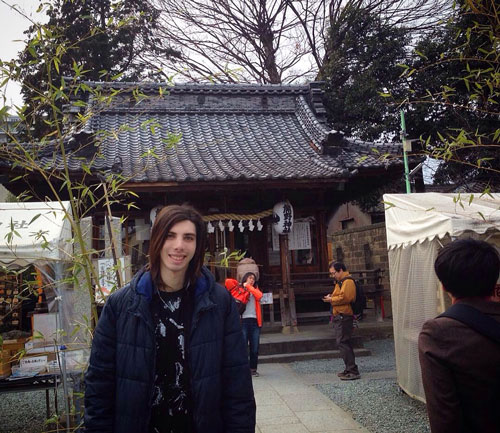
Tucked away in the old town area is Kawagoe Kumano Shrine, a compact but heavily active sanctuary beloved by locals for its dynamic, hands-on ways to improve your fortune. At the entrance, you can boost your health by walking barefoot down the Ashibumi Kenkou Road—a path embedded with rigid pebbles designed to stimulate blood circulation through reflexology. Inside, a large straw ring awaits; walking through it three times while reciting your wishes is said to make them come true. Visitors can also test their fate by playing a hoop-toss game, aiming rings at three distinct wooden sticks representing Love, Money, and Career. If you land a hoop, your success is guaranteed; if you miss, it’s a sign that personal hard work is required
The Sacred Money Washing Ritual: Within Kumano Shrine sits a small sub-shrine dedicated to Benzaiten, the goddess of water, art, and financial prosperity. Travelers seeking economic wealth can pick up a small bamboo basket, place their coins or physical paper bills inside, and wash them under the flowing holy spring water. Legend says that laundering your funds in Benzaiten’s water ensures your economic prosperity returns quickly and cleanly.
Q & A
Q: Is Kawagoe worth a day trip from Tokyo?
A: Yes, Kawagoe is highly worth a day trip. Located less than an hour away from central Tokyo, it offers one of the most accessible and well-preserved collections of Edo-period warehouse architecture, ancient castle grounds, and traditional shrines in the Kanto area, making it a fantastic alternative if you do not have time to visit Kyoto.
Q: How do you get to Kawagoe from Tokyo?
A: The fastest and most convenient route is taking the Tobu Tojo Line express train from Ikebukuro Station directly to Kawagoe Station, which takes approximately 30 minutes. Alternatively, you can take the JR Saikyo Line from Shinjuku or the Seibu Shinjuku Line from Seibu-Shinjuku Station to Hon-Kawagoe Station.
Q: What is Kawagoe famous for eating?
A: Kawagoe is nationally famous for its sweet potatoes (satsumaimo). You will find an endless variety of sweet potato treats along the historic streets, including sweet potato ice cream, chips, pastries, and even local craft beer brewed with potatoes. It is also renowned for high-end, traditional eel (unagi) restaurants housed in historic wooden buildings.
Q: What is the best season to visit Kawagoe?
A: While Kawagoe is a great year-round destination, spring (late March to early April) is spectacular due to the cherry blossoms along the Shingashi River and Kitain Temple. Summer is also popular for the beautiful wind chime festival at Hikawa Shrine, while autumn brings the grand Kawagoe Matsuri festival in October.
Last updated: July 2026