
information
Would you like to get handy travel tips for Japan and learn more about Japanese culture, food, history, subcultures, daily life, and more? This information guide will help you out!
-
Happy Culture Day in Japan
November 3 is Culture Day in Japan. On this day, festivals are held around the country, celebrating traditional Japanese art. What can you expect to see if you are in Japan at that time?
-
Animate, one of the Largest Anime Stores in Japan
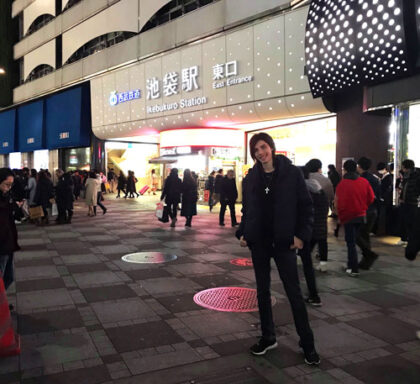
Animate sells a wide variety of anime goods including comics, light novels, dojinshi (self-published magazines), CDs, DVDs, character goods, figures, video games, trading cards, and costumes
-

Tokyo One Piece Tower -closed-
At the foot of Tokyo Tower, you could find the indoor theme park One Piece Tower. This indoor theme park was built in 2015, but it was closed permanently in 2020.
-
Hanami | an Event to Appreciate Beautiful Flowers
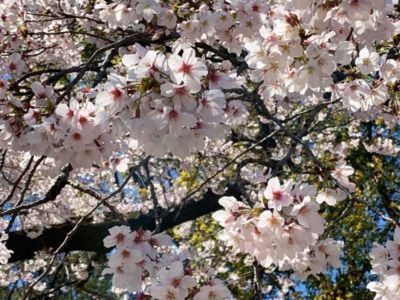
The main season of the cherry blossoms is from late March to early April in Tokyo, but if you go to the north (such as Tohoku and Hokkaido), it is delayed by up to one month. Also, there are different types of cherry trees that bloom either earlier (e.g. Kawazu-zakura) or later (e.g. Yae-zakura).
-

Robot Restaurant -PERMANENTLY CLOSED-
The famous Robot Restaurant in Shinjuku has unfortunately closed its doors for an indefinite period of time in 2020.
-
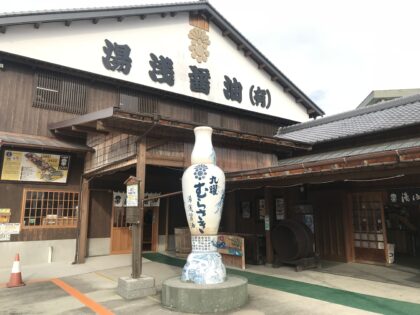
Soy Sauce | The Secret to Delicious Japanese Cuisine
Soy sauce is an indispensable ingredient for Japanese cooking. The origins of soy sauce can be found in China, where they used salt and a base of fruit, vegetables, or grains to pickle foods so they could be kept longer.
-
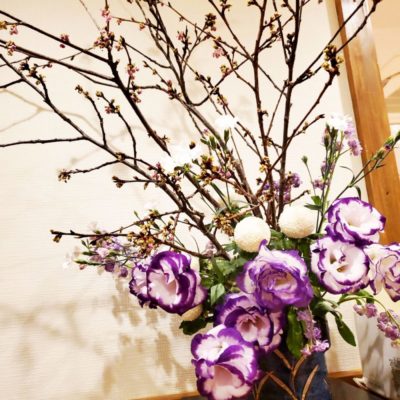
Ikebana, a Japanese Art form with a Long History and Elegance
It was in the 14th century that Ikebana arose in Japan when people started arranging the flowers that they offer to Buddha statues. Its concept developed from the desire to express religious feelings in connection with Buddhism.
-
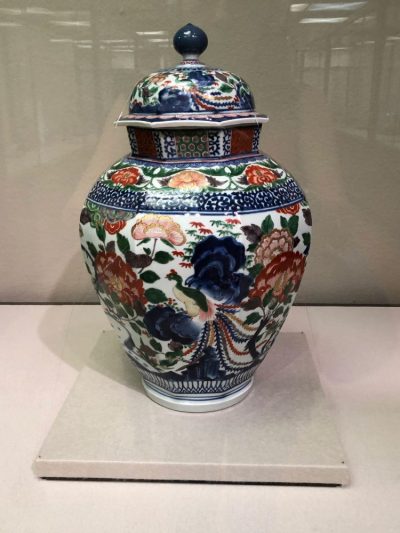
Japanese Ceramics and Lacquerware with Great Materials and Beautiful Design
Japanese ceramics and lacquerware are very popular household goods throughout the world. Find out more about these wonderful crafts from Japan.
-
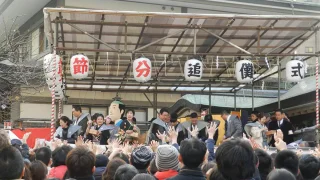
Happy National Holidays in Japan
Which national holidays and regular holidays are there in Japan? Here is an overview of Japanese (national) holidays and some other important annual nationwide events.
-
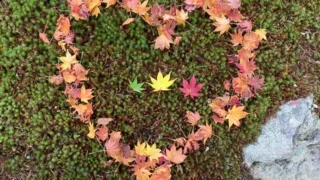
Fall-leaf viewing | Beautiful Autumn Leaves in Japan
The period between early November to early December is a great time to come to Japan. You will see gorgeous panoramas that the changing leaves bring, and the tourist crowds are decidedly less compared to summer.
-

Manga | the Wonderful Culture of Japan
In the late 1940’s, Tezuka Osamu, the father of modern Manga, began working cinematic effects learnt from European movies in to his cartoons.
-
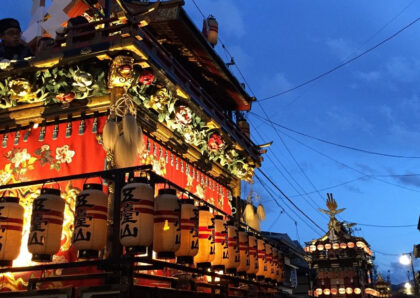
Fun Festivals in Japan (Matsuri) Regardless of the Season
Throughout the year there are many lively festivals, or matsuri, that are held throughout Japan. Which festivals are considered the most major ones?
-
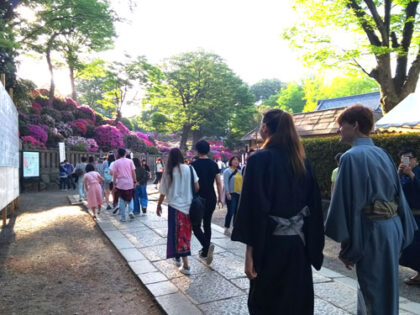
Shinto | the Foundation of Japanese Thought
Shinto has been the main religion in Japan since ancient times, centering on the ideas of Japanese intimacy with nature and ancestor worship. Learn the basics of Shinto beliefs!
-

Religions unique to Japan
While Japan’s first main religion is Shinto, the second main religion is Buddhism. How did Buddhism come to Japan, and which influence does it have on daily life in Japan?
-
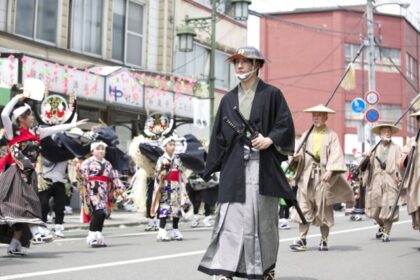
The Identity of Samurai and Shoguns in Japan’s Closed State
During the Edo period from 1603-1868, society was divided strictly into social classes, not unlike the caste system in India. The country was ruled by a shogun, who was the highest up in the military of that time.
-
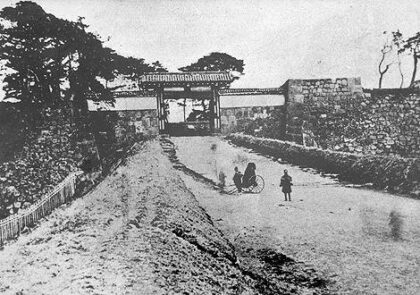
The Meiji Restoration in Japan
The turning point for the city of Edo, actually for all of Japan, was the arrival of Commodore Matthew Perry’s Black Ships at Edo-wan (now known as Tokyo Bay) in 1853. Perry’s US Navy expedition demanded that Japan open itself to foreign trade.
-
Shinto Shrines with a uniquely Japanese flavor
Whether you are in a large city like Tokyo or in a small village in the countryside, a Shinto shrine is never far away in Japan. What are the rules when you visit a shrine?
-

Winter Sports in Beautiful Japanese Nature
If you love skiing and snowboarding, Japan is a great December-April destination for you. There are over 500 ski resorts across Japan which vary in size from large resorts to small one-lift shops.
-

Narita Airport Transfer | one of Japan’s Leading Airports
If you book a tour package through us, in many cases the transfers to your hotel and back to the airport are included with your tour. If a transfer is not included in your package, if you would like to hire a charter minibus for a comfortable transfer to your hotel please let us know…
-
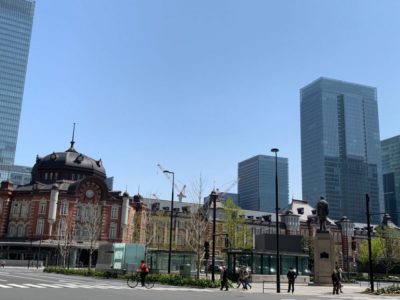
Japan’s Economy Recovering from the Slump
It is no secret that Japan’s economy has been in a slump for the last 30 years. Ever since the Japanese stock market crashed in 1989, Japan hasn’t been able to get back to pre-crash levels until very recently.