
information
-

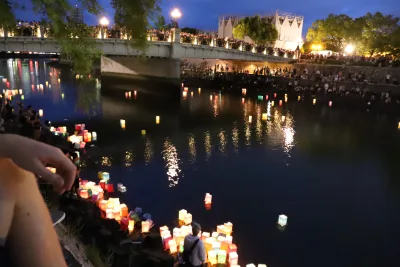
Hiroshima Toro Nagashi | Beautiful scenery and wishes for peace
Every August 6th, the first atomic bombing in history is commemorated in the city of Hiroshima. In the evening, a beautiful lantern festival is held at the Atomic Bomb Dome. This is the Toro Nagashi matsuri.
-
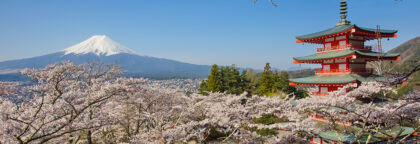
Beautiful Flowers of Japanese Spring
The most popular season to travel to Japan is spring as this season is spectacular in many ways.
-

Abura Soba | The best soup-less noodles only available in Japan
Did you know that in Japan, there are many varieties of noodles to choose from? Abura soba is one of those types of noodles that hasn’t yet become famous in the rest of the world, but surely will one day.
-
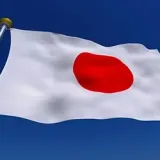
Flag of Japan, Land of the Rising Sun
The national flag of Japan is officially called ‘Nisshoki’, which means ‘Flag of the Sun symbol’, although colloquially it is known as ‘Hinomaru’ which means ‘Circle of the Sun’. It is the most important symbol of Japan.
-

Anime | the One and Only Genre Produced in Japan
The history of the anime goes back to 1907 when many Japanese artists were influenced by Western animation and decided to create specific national content for Japan. At that time this was very difficult because materials were expensive
-
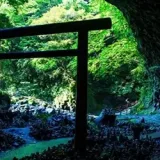
Shinto Goddess Amaterasu Omikami who is considered the Creator
Amaterasu is the incarnate goddess as the Sun that governs the Universe and the main deity of Japanese Shinto. It is believed that the royal family of Japan descends directly from this important goddess.
-
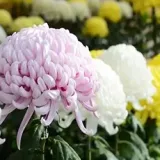
The National Flower of Japan | Culture Guide
Chrysanthemums first came to Japan from China in the fifth century. Chrysanthemum cultivation began in Japan during the Nara and Heian periods (710-1185) when the flower was planted throughout Japan.
-

Pheasant | Japan’s beautiful national bird
The national bird of Japan is the green pheasant, named ‘Kiji’ in Japanese. It was declared the National Bird in 1947. The Kiji has been featured in many legends, mythology, poetry, and paintings.
-

Time Difference with Japan
Japan is called ‘the land of the rising sun’ for a reason, as it is one of the first countries in the world to start the day. This means that most travelers will ‘lose’ some time when they travel to Japan, and ‘gain’ some time when they travel back.
-

Electricity in Japan essential for travel
Planning to come to Japan? Make sure to get the right adaptor for your electric appliances before you come to Japan, as it might be hard to come by once you are here.
-
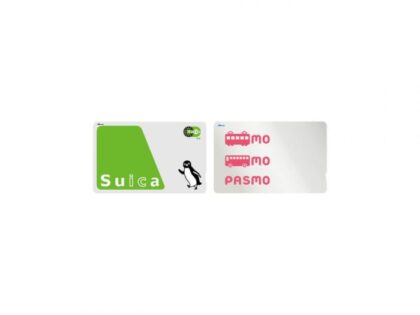
Pasmo and Suica Prepaid Transportation Cards in Japan
Here’s an explanation of Japan’s prepaid transportation card system, which makes traveling by public transportation much easier.
-
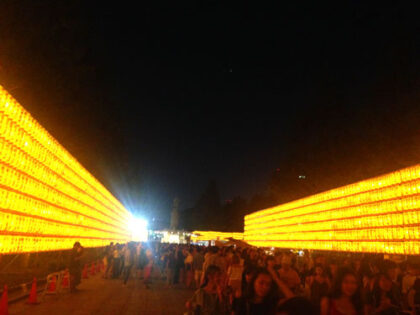
Tokyo Mitama Matsuri | Various fun events and beautiful decorations
For the spectacular Mitama Festival, the Yasukuni Shrine in Tokyo is decorated with more than 30,000 traditional Japanese lanterns, running all the way from the great torii gate to the main gate of the sanctuary.
-

Pachinko | Flashy productions and hands-on gambling
Pachinko is a pinball-like game that is one of the few legal forms of gambling in Japan. How does the game work? And is it easy to play it as a foreigner?
-
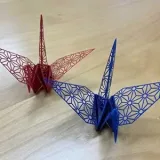
Origami | Delicate and beautiful art for everyone to enjoy
Origami is the Japanese art of folding paper without using scissors or glue to create shapes that can be seen as paper sculptures. Learn more about this beautiful art!
-
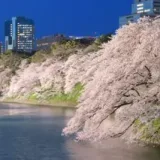
Hanami Guide: The Ancient Tradition of Cherry Blossom Viewing in Japan
In Japan, a very important national tradition returns every year in the early spring. Everybody gets together outside, prepares a picnic mat under the blooming cherry trees (sakura trees), and shares food and drinks.
-
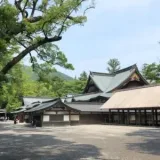
Japanese Religious Culture with a focus on Shintoism and Buddhism
Japan has two main religions, Shinto and Buddhism. Although many people claim to have no particular belief, most participate in both Shinto and Buddhist customs and rituals.
-
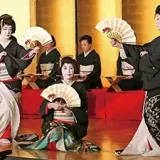
Geisha | The most classy and beautiful entertainer in the world
Geisha are not prostitutes. This is a misconception based on inaccurate depictions in films and from the stories of American soldiers who went to Japan after WW2 when there was great poverty in Japan.
-
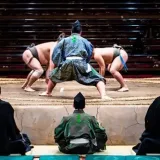
Sumo – Japan’s Oldest and Most Powerful Sport
While judo and karate are the most popular martial arts to practise outside of Japan, sumo is probably the martial art from Japan that appeals most to the imagination.
-
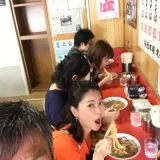
Why Ramen in Japan Is So Delicious and Unique
Ramen became one of the iconic foods from Japan, having gained a lot of popularity outside of Japan in recent years. This is no wonder as ramen noodles are affordable, quick, and delicious.
-
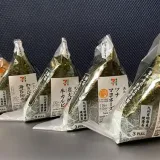
Onigiri | A very popular dish among the Japanese
In Japanese culture, it is important not to waste any food, and the onigiri (rice ball) is a great example of how this goal is reached. Onigiri often features in home-made bento lunch boxes.