
Destinations
-
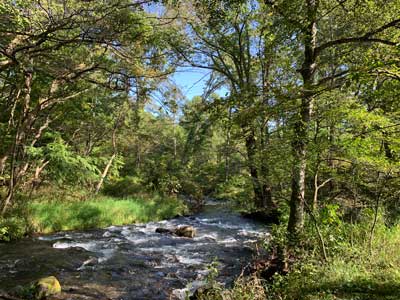
Karuizawa, Nagano | Surrounded by nature and adorable animals
Karuizawa has thrived as a very popular summer resort in Japan since the late 19th century because of its cool and comfy summer climate. This attractive town is a good stop on your way to the Nagano mountains.
-
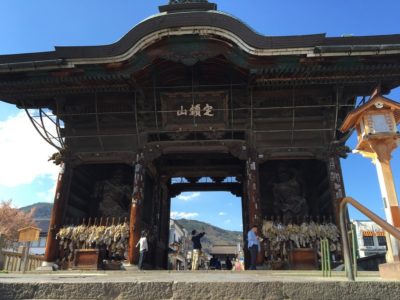
Nagano City | Beautiful nature in each season and historic townscape
Nagano city is a good place to stay as a base for making day trips in the area with its good bus and train connections. What is there to do in the city itself?
-
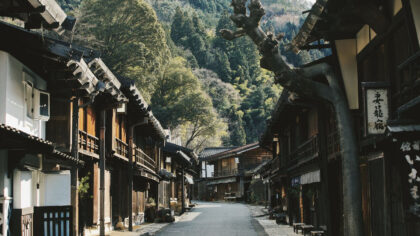
Tsumago Post Town | Elegant and beautiful streets with a sense of old Japan
Tsumago is one of the most popular old post towns to visit on the Nakasendo Trail because it is so well-preserved. Learn more about its history and what you can see there today.
-
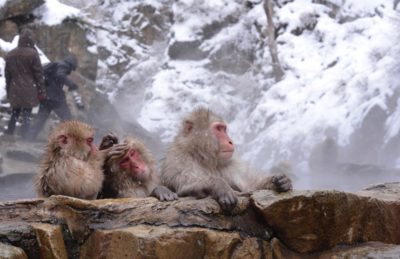
Yudanaka, Nagano | Beautiful hot spring resort with a long history that even monkeys visit
Yudanaka, rich in natural hot springs, is located deep in the mountains of the Yamanouchi area in Nagano. Some 200 monkeys live in this area. Watching them bathe just like humans do is fun!
-
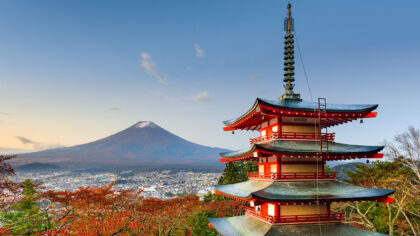
The History of Japan’s Pride of Mt.Fuji
The region around Mt Fuji has long been the inspiration for the works of many of Japan’s most celebrated writers, poets, and artists. How did this beautiful mountain with its nearly perfect symmetrical cone originate?
-
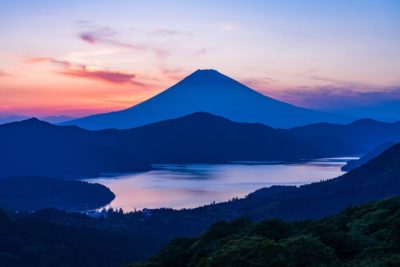
Climbing Mt. Fuji was a great experience : A Personal Account
From the 8th station, the walk begins to get quite steep and by the time you get to the 9th station, the track will almost be so steep and rocky that at times it will feel like you are rock climbing…
-

Fujisan World Heritage Center | Let’s learn more about Mt Fuji!
The Fujisan World Heritage Center wants to educate people on the geography and history of the popular mountain. Find out what to expect from a visit!
-
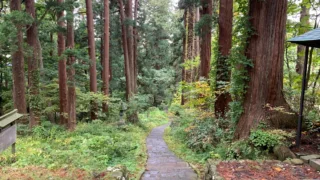
Dewa Sanzan, Yamagata | Peak of the Gods
The people who practice Shugendo asceticism on Dewa Sanzan are called ‘yamabushi’, and they are probably the most rigorous and stoic people in the history of Japan.
-
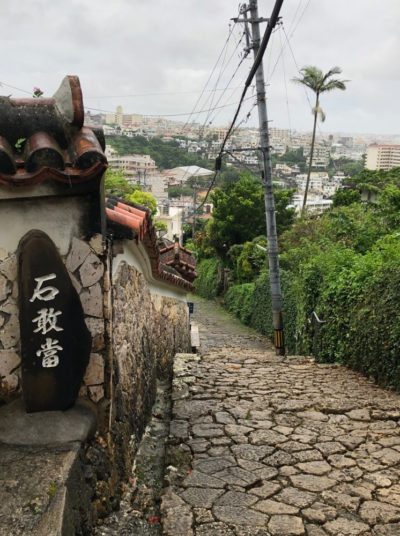
Naha | An enjoyable trip to Okinawa starts here!
Naha is usually the first place tourists see in Okinawa after touching down in the archipelago. It’s a great place to spend a day or 3, so what is there to see and do there?
-
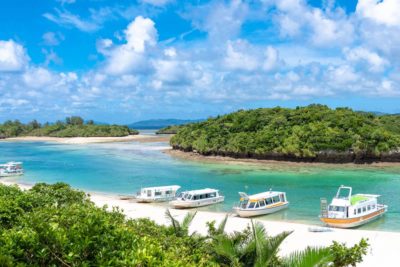
Ishigaki Island, Okinawa | Beautiful sea and rich nature
Visitors to Ishigaki Island come for the island’s abundant nature, wonderful beaches, and gorgeous resorts. But there is more to do on the island than just staying in your resort!
-
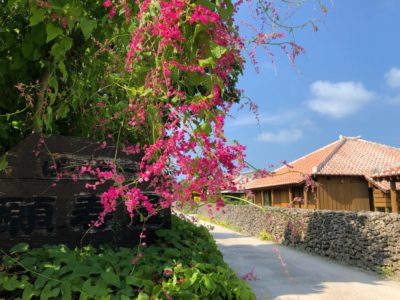
Taketomi Island, Okinawa | One of the most beautiful beaches in the world
Taketomi Island is a small island situated just off the coast of Ishigaki Island in the Okinawa Archipelago. Because of its size, it is often visited as a day trip from Ishigaki.
-

Niseko Ski Resort, Hokkaido | A mecca for winter sports
Niseko is located a two-hour drive away from Hokkaido’s main airport New Chitose, and it is a much-loved destination for winter sports from late November until early May.
-
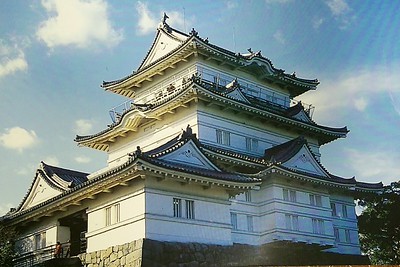
Odawara | Various food cultures and beautiful nature can be enjoyed
If you like Japanese castles and history, you should try to make a stop in Odawara, a city that is located around 40 minutes away from Tokyo. Discover the famous Odawara castle and other interesting destinations.
-
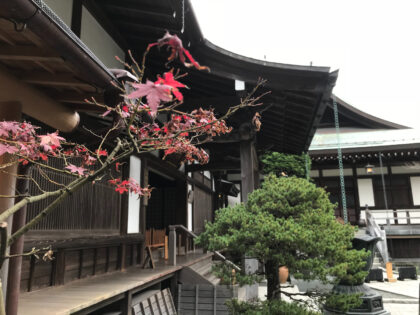
Kamakura | A town surrounded by historical shrines and temples and beautiful nature
Kamakura is only a one-hour train ride south of Tokyo, and offers plenty of interesting sights in a small area. Learn more about the central Hachimangu shrine and other cool spots in Kamakura.
-
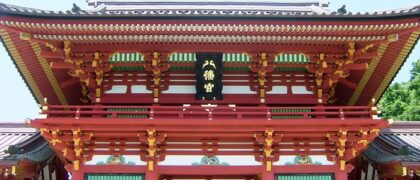
Tsurugaoka Hachimangu Shrine | Stunning bright colors and decorations
In the very middle of Kamakura sits its most important shrine, the Tsurugaoka Hachimangu shrine. This is the shrine of the illustrious Minamoto family. What’s their story?
-
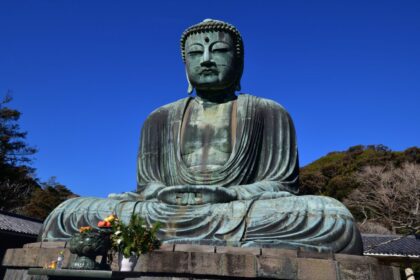
Kotokuin Temple | Unique beauty unchanged since the Kamakura period
Kamakura’s symbol is the big Buddha that’s located in the Kotokuin temple. It is not only a beautiful sight, you can also enter the Buddha to see what it looks like from the inside.
-
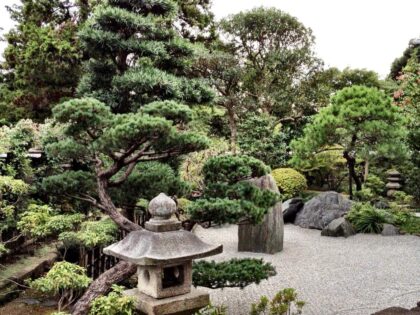
Hasedera Temple | The Western Paradise of Kamakura
The Hasedera temple in Kamakura has one of the most beautiful temple precincts in the area. There are many things to discover, and flower lovers will have a field day.
-
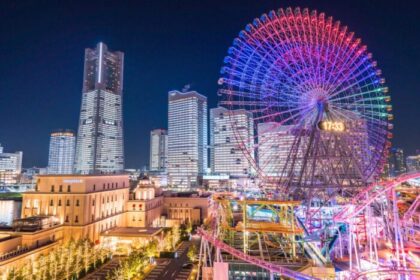
Yokohama | Beautiful historical buildings and the world’s largest Chinatown
Many tourists skip Yokohama in favor of its more famous neighbors Kamakura and Hakone. But if you have time, we’d recommend you to spend a few hours in this modern harbor town as well.
-
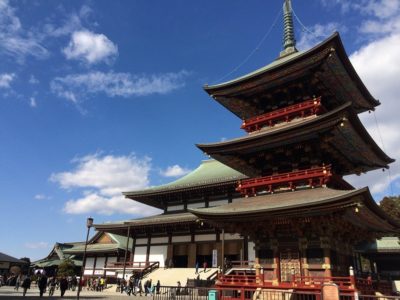
Narita City | Beautiful historic cityscape and many fun leisure facilities
Narita is a city 60 kilometers east of central Tokyo. If you only have a short layover in Narita airport, or if you are spending your last night in Japan near the airport Narita city is worth a visit.
-

Narita Airport | one of Japan’s Leading Airports
Narita Airport is located about 60 km outside of Tokyo, in the city of Narita. If you have a layover in Narita of at least 4 hours you can visit nearby Narita city which is only a train ride of 15 minutes away.