

Destinations
-
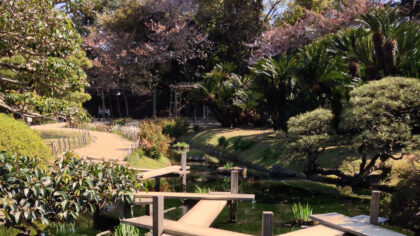
Okayama | a very livable and sunny place
Besides the famous Okayama Korakuen garden and the reconstructed castle, there are some great museums and a nice bicycle opportunity nearby. Find out what there is to do in Okayama!
-
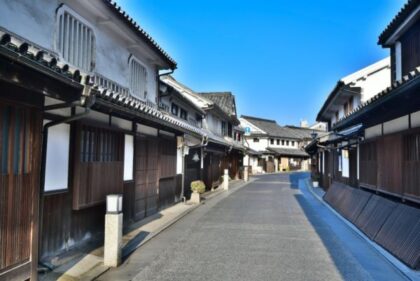
Kurashiki takes you back in time to Japan’s Feudal Era
The preserved canal town of Kurashiki is a great place to visit if you want to be transported back in history. But there is more to do in this town, find out where to go!
-
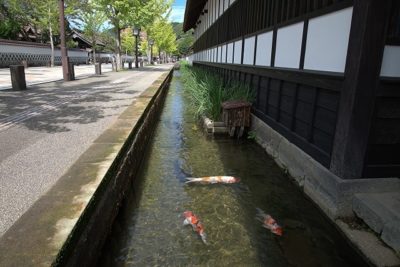
Tsuwano | Beautiful Castle Town Boasting Traditional Crafts and Literature
Tsuwano in Shimane is a small castle town that prides itself on traditional arts, crafts, and literature. Find out what to see and do in this attractive town!
-
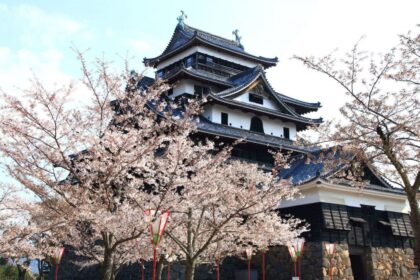
Matsue | Natural city with rich fisheries and agriculture
Matsue is not a famous tourist destination, but it has plenty to offer. What to think of viewing Matsue Castle, doing a Horikawa cruise, or admiring the flowers in the Yushien Peony Garden?
-
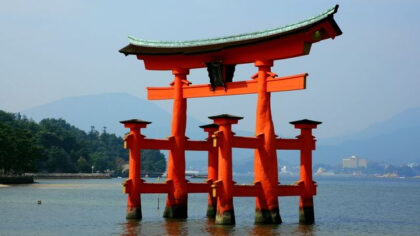
Miyajima | Severe yet Beautiful Wilderness
Near Hiroshima, you can find the famous floating torii gate in Miyajima. Just this vision makes it worth a trip, but what else is there to do in Miyajima?
-
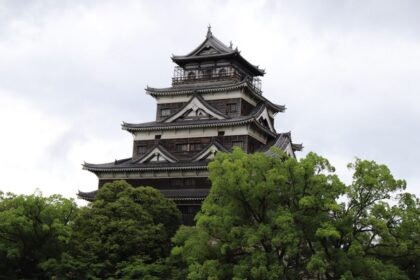
Hiroshima Castle | Tells the History of an A-bombed Town
While Hiroshima Castle isn’t the original castle, it is still worth a visit because of the interesting museum and beautiful reconstructed building. See what to expect of a visit!
-

Toyota, Aichi | A City that is at the Cutting Edge of the Car World
Toyota City is known for the great Toyota Museum and car factory, but did you know that the city also has an interesting history? Learn more about this city near Nagoya!
-
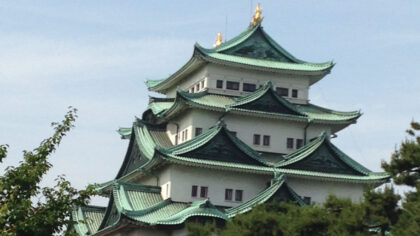
Nagoya, Aichi | The Center of Japanese Industry
Nagoya doesn’t feature often on tourists’ itineraries, but If you would still find yourself in Nagoya, there are plenty of interesting places to see here. Find out where to go!
-

Centrair Airport in Nagoya | one of Japan’s Leading Airports
Are you starting your visit to Japan in the middle of Honshu island? Chances are that you will be landing at Centrair Airport in Nagoya. Learn more about this convenient airport!
-

Shimoda, Shizuoka | Beautiful subtropical beaches
You don’t need to go all the way to Okinawa if you want to go to a white sandy beach with azure blue waters. Volcanic peninsula Izu has its fair share of wonderful beaches.
-
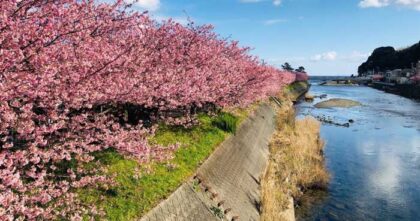
Kawazu, Shizuoka | Flowers bloom all year round, and the area is full of natural attractions
Kawazu is only a small town, and it is a good spot to include in your itinerary if you want one or a few days of nature and rest with fewer international tourists.
-
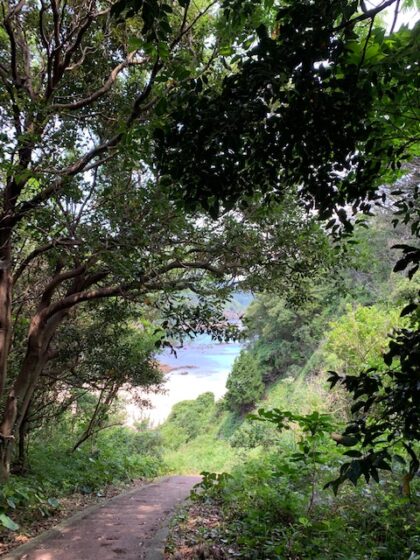
Atami, Shizuoka | Old history, tasteful streets, and a spa paradise
Atami is a popular destination for cherry blossom viewing in spring and fireworks and the beach in summer. It is a good destination to combine with a multi-day trip to Mt. Fuji, Hakone, or Shimoda.
-
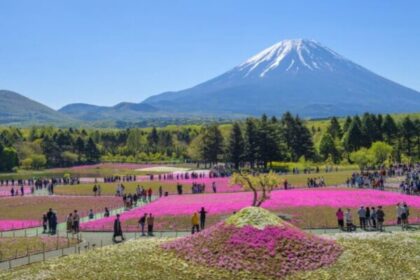
Mt Fuji Shibazakura Festival | Beautiful view of Mt. Fuji and all the lawn cherry blossoms
The Fuji Shibazakura Festival is an exceptional event near Mt. Shibazakura flowers bloom in different colors and in different shapes, creating a beautiful multicolored field. In 2023, it is held in April and May.
-
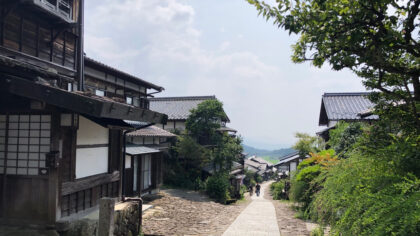
Magome Post Town | Nostalgic old streets from the Edo period
Magome was a post town on the Nakasendo Route, which is one of the five routes that connected Edo with rural towns in the 16th-19th century. Pretty postcard-ready views are par for the course here.
-
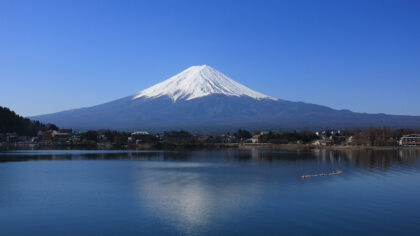
Lake Kawaguchiko | Beautiful scenery from season to season
Kawaguchiko is best-known for its amazing view of Mt Fuji. Located at the foot of the mountain, there are many vantage points from which to see the symbol of Japan.
-
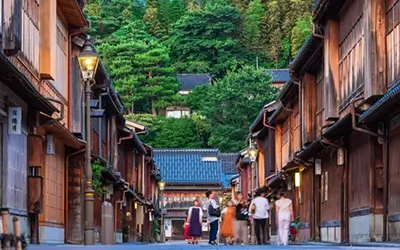
Kanazawa, Ishikawa
Kanazawa is the city of gold, but that’s not all this historical town has to offer. History buffs will love the samurai quarter and traditional Higashi Chaya district.
-
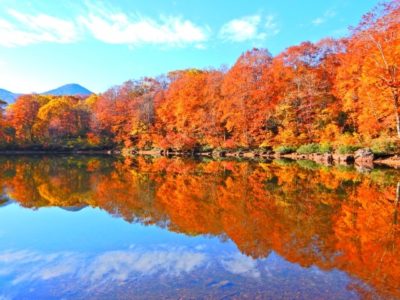
Niigata | Delicious rice and rich, beautiful nature
Niigata city is a pleasant place, with plenty of open spaces, making the city feel more spacious and less cramped than other major cities of Japan. Some of the best sake is also brewed here.
-
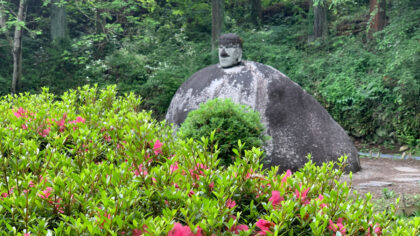
Suwa, Nagano | Beautiful Nature and Eternity of History and Culture
Outdoor activities, natural hot springs, and Japanese-style inns are what attract tourists to Suwa. The lake town is located in Nagano, and perfect as a base for day trips in Nagano prefecture.
-
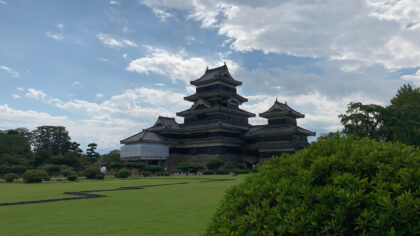
Matsumoto, Nagano | Remnants of an elegant castle town and magnificent nature
Matsumoto is centrally located in Nagano and is surrounded by the Japan Alps mountains. The city is especially famous for Matsumoto Castle, which is one of Japan’s original historic castles.
-
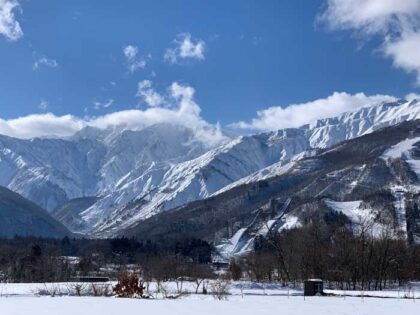
Hakuba, Nagano | Resorts including the largest ski resort in Japan
Hakuba in Nagano is one of Japan’s ski areas with several large ski resorts to choose from. The magnificent views and snow conditions make it very popular.