
Kansai
-
Kyoto Highlights and Hidden Gems Itinerary
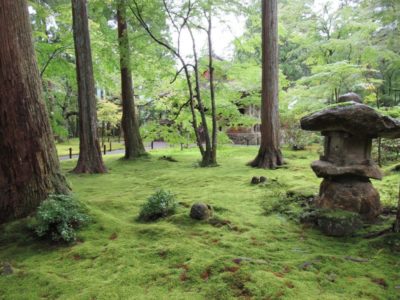
Would you like to get some ideas for your perfect Kyoto itinerary? We listed our 5 favorite Kyoto highlights along with 5 lesser-known spots in Kyoto that really make you able to taste the local atmosphere in this beautiful city.
-
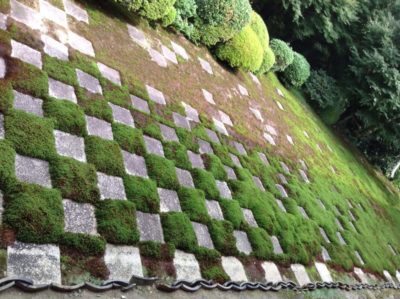
Tofukuji Temple, Kyoto | Beautiful Flowers and Gardens
One of my favorite Zen temples is the Tofukuji temple located in the east of Kyoto city. What makes this temple very special are its magnificent landscapes of maple trees and cherry blossoms.
-
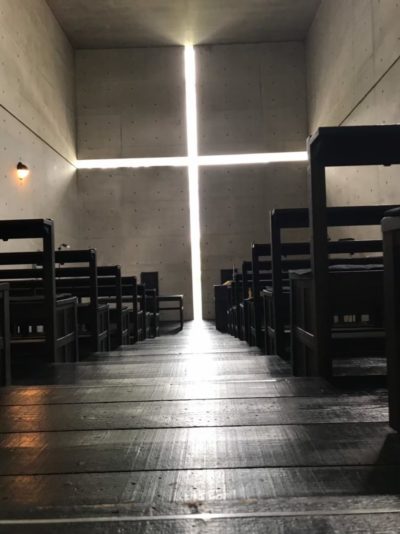
Church of the Light | Osaka Travel Guide
If you are interested in Japanese architecture, Tadao Ando might ring a bell for you. He designed the Church of the Light in Osaka, an interesting work of contemporary architecture in Japan.
-
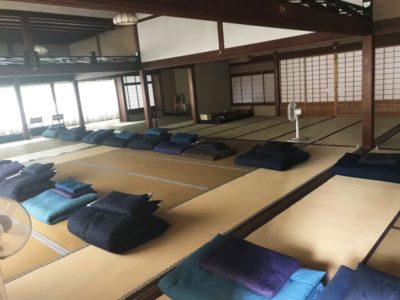
Experience Zen | the Essence of Buddhism in Kyoto
There is a Zen temple in Kyoto called Koshoji, located near Kuramaguchi Station, which is not a typical tourist sightseeing spot. Even though tourists are discouraged from going in, it is an interesting place to visit.
-
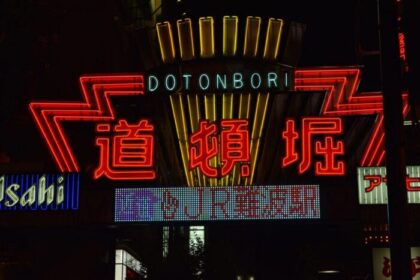
Namba | Osaka’s culture and charm are concentrated in this city
Namba is a known entertainment district in Osaka full of colors, restaurants, neon screens, shops, and other places to enjoy yourself, and it becomes especially fun at night.
-

Local Kyoto with its quaint scenery
If you have already finished the beginners‘ course of travel in Kyoto and traveled around the many touristy spots, it is time to explore the daily lives of the locals!
-
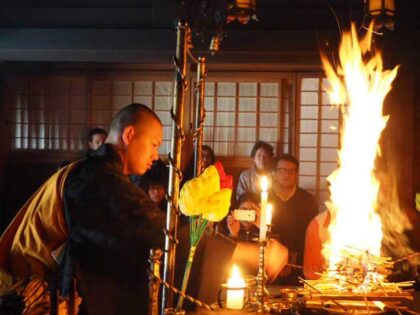
Koyasan with its Gorgeous Architecture and Traditions
Koyasan is a center of Buddhist study and practice, located in the northeastern part of Wakayama Prefecture. It is surrounded by eight low peaks in Koya-Ryujin Quasi-National Park.
-
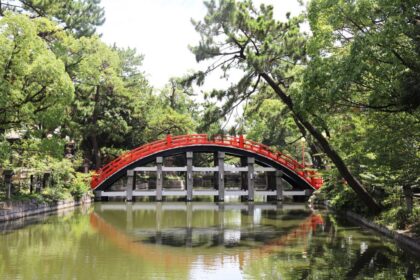
6 Recommended Places in Osaka
To help you decide where to go in Osaka if you are short on time, we compiled a list of the 5 best places to visit in this bustling city.
-
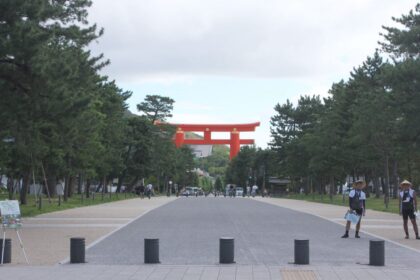
5 Great Kyoto Sightseeing Destinations
While planning a trip to Kyoto, it can be difficult to make the decision to choose where to go if you have a limited amount of time due to the large number of amazing sights that exist in Japan’s ancient capital city. This is a list of the 5 best places to visit during your…
-
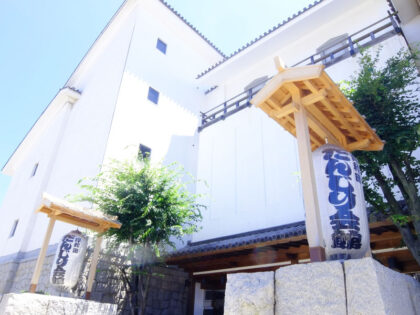
Osaka’s Most Thrilling Festival: The Ultimate Guide to Kishiwada Danjiri Matsuri and Danjiri Kaikan
The Danjiri Kaikan is an interactive and fun museum located in Osaka near Kishiwada Castle. It provides information and activities on the Kishiwada Danjiri Festival, which is very famous in Japan.
-
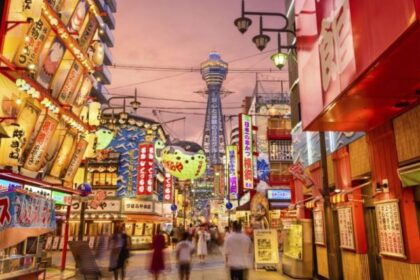
Shinsekai, Osaka | Travel back in time to the retro Showa era
If Osaka is on your itinerary, Shinsekai is a very interesting neighborhood to explore. The atmosphere is somewhat retro-feeling, making you feel like you have returned to Japan at the height of the Showa period (1926-1989).
-
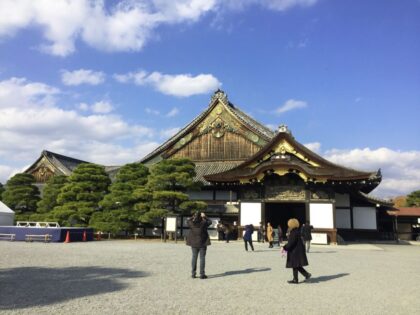
Nijo Castle | with its Gorgeous Architecture and Many Treasures
Nijo-jo Castle in Kyoto has witnessed some of the most important events in Japanese history in the 400 years since it was built. In 1940 the palace was first opened to the public. Today it is one of the most important tourist spots in the city of Kyoto.
-
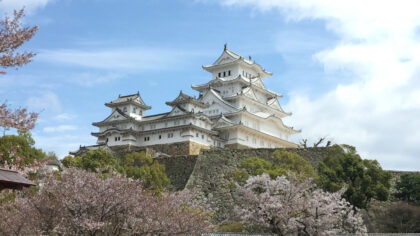
Himeji Castle | A Masterpiece of Castle Building Technology
Himeji Castle was the first registered World Cultural Heritage site (in 1993) in Japan. It is said to be a masterpiece of Japan’s unique castle architecture technology that reached its peak in 1600.
-
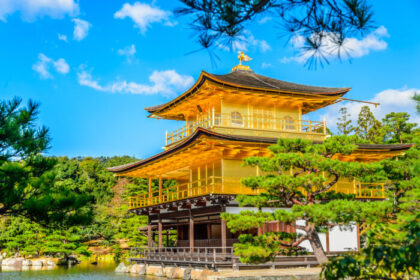
Kinkakuji | The Most Beautiful Buddhist Temple
Kinkakuji was founded in 1397 as a resting villa for the third shogun of the Muromachi era, Ashikaga Yoshimitsu. This shogun asked his son to turn the villa into a Zen temple when he died, and so it happened.
-
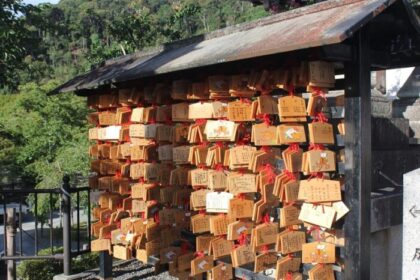
Yasaka Shrine, Kyoto | Historic and Beautiful Building
One of the oldest shrines in Kyoto is located in the famous Gion district in Kyoto. The Yasaka Shrine stands out for its great beauty and interesting historical architecture.
-
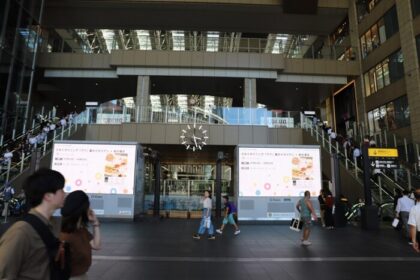
Osaka Station | Kansai Activities Start Here
Many tourists will pass through Osaka Station when they travel through Japan. It would be a shame just to pass through, as there are many things to do and see inside the large station.
-
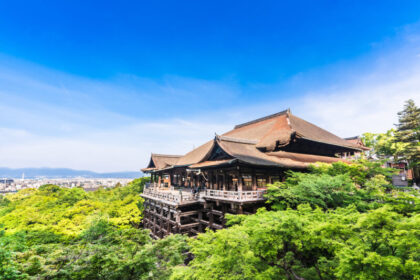
Kiyomizu Dera Temple, Kyoto | Beautiful natural scenery and various power spots
The Kiyomizu Dera temple in Kyoto is one of Japan’s most famous Buddhist temples and with good reason, as it is one of the most beautiful constructions in the old capital city.
-
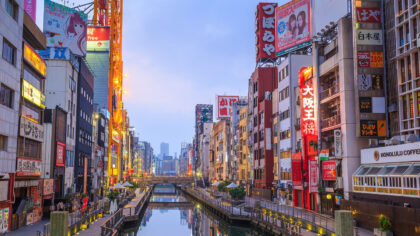
Dotonbori, Osaka | Lots of cheap and tasty restaurants!
The lively entertainment area of Dotonbori is the most famous tourist destination in Osaka and famous for its striking neon lights, its extravagant signage, and huge variety of restaurants and bars.
-
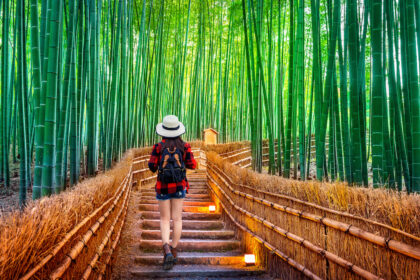
Arashiyama, Kyoto | Mysterious and beautiful bamboo forest
Arashiyama in Kyoto is famous for its mystical bamboo grove, but the area is actually a lot larger than just the bamboo forest. It is a very pleasant environment to have a walk past traditional shops, temples, and nature.
-
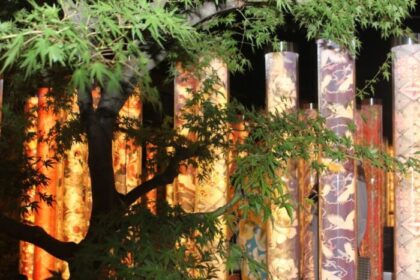
Kimono Forest, Kyoto | Beautiful Traditional Japanese Costumes
Find out more about Kimono Forest, a must-see promenade for people heading to the bamboo forest, located in the Arashiyama area of Kyoto.