

information
-
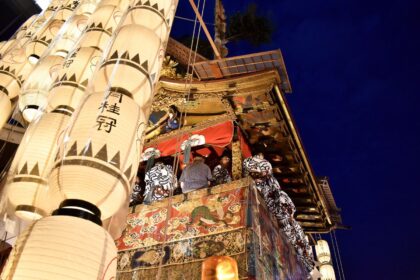
Kyoto Gion Matsuri | Beautiful decorations and flashy events
The Gion Matsuri in Kyoto is one of the three most famous festivals in Japan with more than 1000 years of history. I’m crazy about this festival which is cool, high-spirited and elegant at the same time.
-

Rice planting | The beginning of the Japanese diet
Around the end of May to early June, some people in Japan become a bit restless, and you might wonder why that is. It is because ‘taue’, the rice planting season, has started again!
-

Happy Culture Day in Japan
November 3 is Culture Day in Japan. On this day, festivals are held around the country, celebrating traditional Japanese art. What can you expect to see if you are in Japan at that time?
-
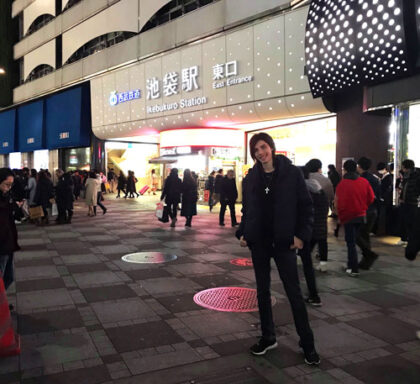
Animate, one of the Largest Anime Stores in Japan
Animate sells a wide variety of anime goods including comics, light novels, dojinshi (self-published magazines), CDs, DVDs, character goods, figures, video games, trading cards, and costumes
-
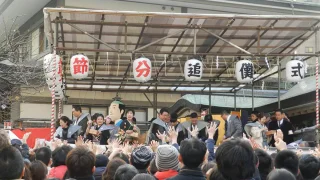
Happy National Holidays in Japan
Which national holidays and regular holidays are there in Japan? Here is an overview of Japanese (national) holidays and some other important annual nationwide events.
-
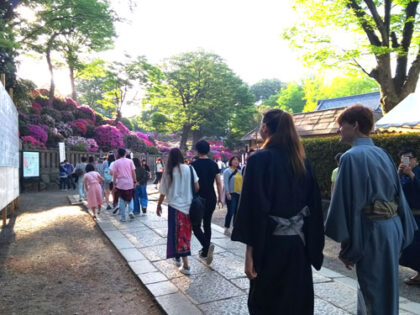
Japanese Spiritual Culture: Understanding the Syncretism of Shinto and Buddhism
Shinto has been the main religion in Japan since ancient times, centering on the ideas of Japanese intimacy with nature and ancestor worship. Learn the basics of Shinto beliefs!
-

Religions unique to Japan
While Japan’s first main religion is Shinto, the second main religion is Buddhism. How did Buddhism come to Japan, and which influence does it have on daily life in Japan?
-
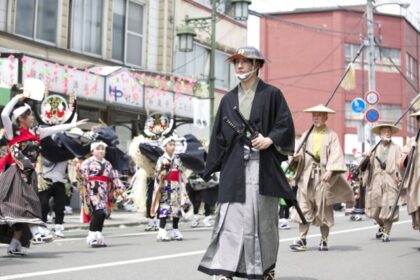
The Identity of Samurai and Shoguns in Japan’s Closed State
During the Edo period from 1603-1868, society was divided strictly into social classes, not unlike the caste system in India. The country was ruled by a shogun, who was the highest up in the military of that time.
-

Winter Sports in Beautiful Japanese Nature
If you love skiing and snowboarding, Japan is a great December-April destination for you. There are over 500 ski resorts across Japan which vary in size from large resorts to small one-lift shops.
-

Narita Airport Transfer | one of Japan’s Leading Airports
If you book a tour package through us, in many cases the transfers to your hotel and back to the airport are included with your tour. If a transfer is not included in your package, if you would like to hire a charter minibus for a comfortable transfer to your hotel please let us know…
-

Tsunami and Typhoons | Natural Disasters in Japan
If you have followed the news a bit over the last few years, you probably already know that Japan is quite prone to certain natural disasters. Learn more about the rare tsunami and more common typhoons.
-
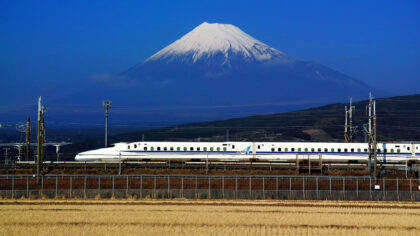
The Bullet Train | Travel in comfort on the world’s fastest train
The shinkansen or bullet train is one of the symbols of Japan’s technological advancement. It is still one of the fastest trains in the world, but another one that is even faster is in the making…
-

Kakigori Shaved Ice | A very popular dish among the Japanese
During the summer, temperatures in Japan can be quite high and the atmosphere gets very humid. This makes finding ways to cool down indispensable, and how to better do this than with freshly shaved ice?
-
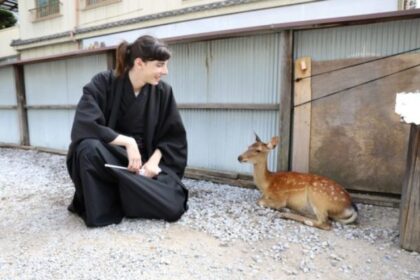
Hakama | A beautiful kimono to wear on the big day
While most foreigners know about kimono, another traditional Japanese garment called hakama is not that known amongst most foreign visitors in Japan. A hakama are the skirt-like pants that are worn over a kimono.
-
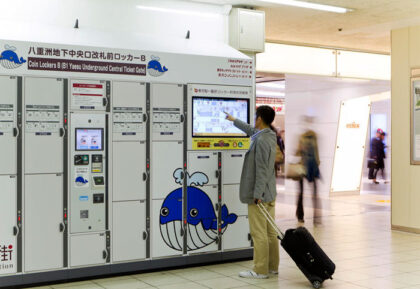
How to Use a Coin Locker
Coin lockers on stations are great places to store your luggage for cheap if you want to have your hands free during your trip. Let us show you how to use them!
-
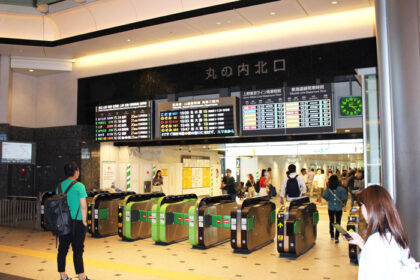
How to Use Train and Metro in Japan
Japan’s railway system is known for being the world’s most reliable and punctual train system. But for first-time visitors, using the train and metro can take some getting used to. Let us help you prepare!
-
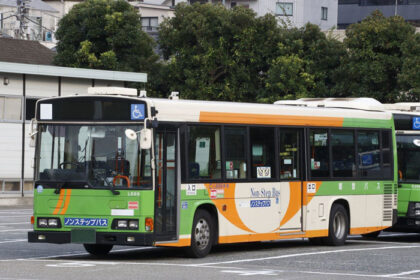
How to Use the Bus System in Kyoto
In Kyoto, the best way to get around is by bus. This is because in many cases the train stations are located a long walk from the attractions that tourists want to see.
-
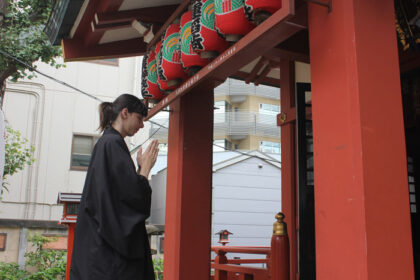
How to Pray at Shinto Shrine
Shinto means worshiping ancestors as guardians of the family, and it also symbolizes showing respect for the kami, who reside in the natural world and in shrines. How to pray at a Shinto shrine?
-
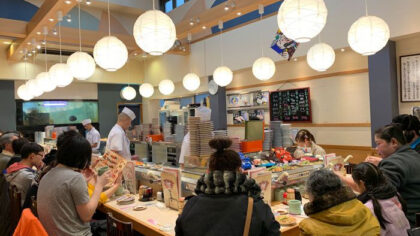
The Sushi Train: Kaiten Sushi | Easy and delicious Japanese sushi
Sushi has been the most popular Japanese food worldwide ever since the California Roll was invented in the United States. The inside-out roll was created by a Japanese chef in the 1960’s. But how do they eat sushi in Japan?
-

Kansai Airport Transfer | one of Japan’s Leading Airports
If you book a tour package through us, in many cases the transfers to your hotel and back to the airport are included with your tour. If a transfer is not included in your package, if you would like to hire a charter minibus for a comfortable transfer to your hotel please let us know…