
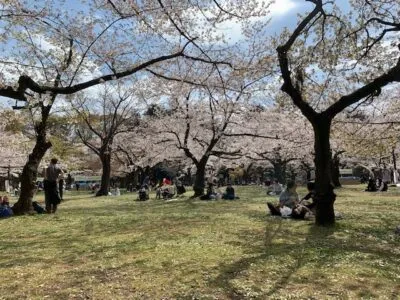
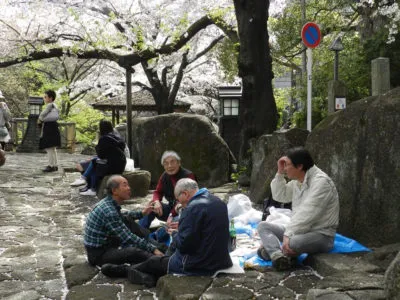
Once March rolls around in Japan, the atmosphere takes on a completely different, magical quality. There is one specific word you will hear buzzing around everywhere: hanami. Literally translating to “flower viewing,” hanami is the time-honored national tradition of gathering under blooming cherry blossom trees (sakura) to enjoy a festive picnic with family, friends, or coworkers. Loved by millions, this seasonal ritual blends ancient cultural roots with lively outdoor celebrations, making it the most anticipated spring event in Japan.
The Deep History and Nostalgia Behind the Blooms
The practice of hanami is many centuries old, dating back to the Nara period (710–794) when plum blossoms were initially admired. By the Heian period (794–1185), the focus shifted exclusively to sakura, and Emperor Saga popularized the tradition by hosting grand sake-filled feasts beneath the blossoms at the Imperial Court in Kyoto. Beyond historical legacy, the sakura is a profound symbol of nostalgia and the beautiful, fleeting nature of life itself. Because the blooming season perfectly coincides with Japan’s school entrance ceremonies and the start of the fiscal corporate year, the delicate pink petals are forever intertwined with new beginnings and sweet memories.
Tracking the Sakura: Peak Season and Forecasts
The peak bloom of the most common sakura flowers is notoriously brief, typically lasting only one to two weeks in any single location. Because timing is so critical, almost the entire population follows daily cherry blossom forecasts broadcast on national television news. Generally, Tokyo and Kyoto hit full bloom from the final week of March through the first week of April. However, the exact dates shift every year based on winter and spring weather. If your travel plans fall outside this window, you can catch earlier varieties (like Kawazu-zakura) or head north to regions like Tohoku and Hokkaido, where the bloom is delayed by up to a month.
How to Celebrate Hanami Like a True Local
To experience hanami authentically, it takes more than just a simple stroll. Locals spread out large picnic mats under the trees, sharing seasonal bento boxes, snacks, beer, tea, and sake. It is common for individuals to hold multiple hanami parties in a single season to celebrate with different social circles. In corporate culture, reserving the perfect spot is an important task. Newly hired employees are often sent to famous parks like Ueno Park or Yoyogi Park in Tokyo early in the morning, tasked with guarding a prime location for hours until their senior coworkers arrive to celebrate after work.
Iconic Destinations: Sakura by Day and Night
Japan offers endless picturesque backdrops to elevate your cherry blossom photography. For a traditional aesthetic, famous historical monuments like Sensoji Temple (Tokyo), Kiyomizu-dera (Kyoto), and majestic structures like Himeji or Osaka Castle provide stunning contrasts against the pink blooms. Scenic spots around Mt. Fuji, such as Lake Kawaguchi, offer breathtaking natural landscapes. Furthermore, the celebration does not stop at sunset. Known as Yozakura (night sakura), many premier spots like Meguro River or Yasukuni Shrine drape their parks in beautiful lanterns and light displays, creating an incredibly romantic evening atmosphere.
Q & A
Q: What is the meaning of the Hanami festival in Japan?
A: Hanami (花見) literally means “flower viewing.” It is an annual Japanese custom of appreciating the transient beauty of flowers, almost exclusively referring to cherry blossoms (sakura). Rather than a formal festival, it is celebrated as an outdoor picnic party where people gather under the blooming trees to eat, drink, and socialize.
Q: What month is Cherry Blossom in Japan?
A: Cherry blossom season primarily occurs between late March and mid-April in central Japan destinations like Tokyo, Kyoto, and Osaka. However, due to geographical temperature differences, the overall blooming wave moves across the country from south to north, starting as early as February in Okinawa and lasting until late May in Hokkaido.
Q: Why are cherry blossoms so important to Japanese culture?
A: Beyond their extraordinary physical beauty, sakura blossoms hold deep spiritual meaning in Japan. Because they bloom spectacularly and drop their petals within a week, they serve as a powerful metaphor for mono no aware—an awareness of the fleeting, impermanent nature of life, reminding people to cherish the present moment.
Q: What do you wear to a Hanami party?
A: Comfort and warmth are key for a hanami party. Since you will be sitting on picnic mats on the ground, wear comfortable, casual clothes that allow you to sit easily. Spring afternoons in Japan can still feel quite chilly, and temperatures drop sharply after sunset, so dressing in layers and bringing a warm jacket is highly recommended.
Planning to experience the magic of Sakura season? As seasoned Japan travel experts, we specialize in tracking the annual forecasts to craft the perfect custom itinerary for your spring vacation. Contact Japan City Tour today to start planning your dream holiday filled with unforgettable cherry blossom memories!
Planning to see this yourself? We run Tokyo Cherry Blossom 1-Day Private Tour, and you can browse every itinerary in our Tokyo and Japan-wide tours.
Last updated: July 2026