
Welcome to Horyuji Temple, the world’s oldest wooden building and your direct portal to 7th-century Japan. Founded in 607 by Prince Shotoku, this UNESCO World Heritage site in Nara is not just a temple—it’s a living museum of Japanese Buddhism and architectural genius that has survived for over 1,400 years. For history lovers, culture seekers, and anyone fascinated by timeless beauty, Horyuji is an absolute must-see in the Kansai region.
Top 3 Reasons Horyuji Temple Is Unmissable
1. The World’s Oldest Wooden Architecture
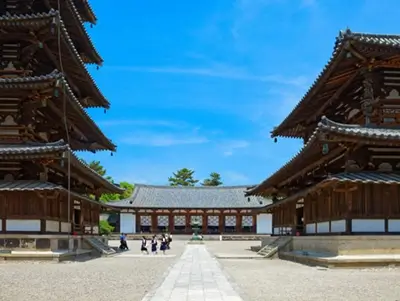
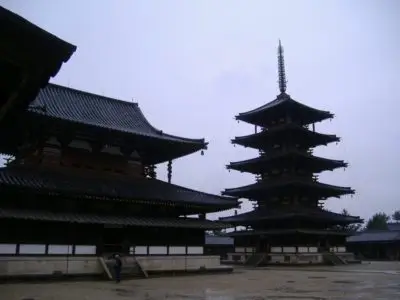
At the heart of Horyuji stands its Five-Story Pagoda (Goju-no-To) and Main Hall (Kondo), recognized as the oldest surviving wooden structures on Earth. Built with an ingenious interlocking joinery system that uses no nails, they have withstood earthquakes, fires, and time since the Asuka Period. Seeing them is witnessing a miracle of ancient Japanese engineering.
2. A Treasury of Japan’s First Buddhist Art
The Horyuji Treasure House (Daihozoden) protects some of Japan’s most important cultural assets. Here, you can stand before masterpieces like the Shaka Trinity (Shaka Sanzon), a serene bronze statue that is one of Japan’s oldest and most revered Buddhist icons. These works represent the dawn of Buddhist art in Japan.
3. The Symbolic Pagoda with a Secret
Look closely at the iconic Five-Story Pagoda. You’ll notice it has no functional staircase for climbing. This is because, in esoteric Buddhism, the pagoda itself is the object of worship—a physical representation of the Buddha’s tomb and the cosmic axis of the world. Each tier symbolizes an element (earth, water, fire, wind, void).
Q&A
Q:What is the atmosphere like at Horyuji Temple?
A: Horyuji Temple is a peaceful escape. Visit early or on weekdays to enjoy tranquility and stroll through over a thousand years of history.
Q:Are there any cultural rules I should follow?
- Remove shoes before entering halls.
- Speak quietly and respect monks and other visitors.
- Do not touch artifacts or climb on structures.
Q:When is the best time to visit?
- Spring (March–May): Cherry blossoms.
- Autumn (October–November): Colorful leaves.
- Weekdays, especially early mornings, are ideal for a peaceful visit.
Why Horyuji Matters More Today
Horyuji is more than an ancient site; it is a powerful symbol of resilience and cultural continuity. It represents the moment when Japan, inspired by Korea and China, began to forge its own unique cultural and spiritual identity. Walking its grounds connects you to the very foundation of Japanese art, architecture, and faith. In a rapidly changing world, Horyuji stands as a serene reminder of what endures.
Access Information
Access: From JR Horyuji Station: about 20 min walk to the temple,or take a local bus (Nara Kotsu) bound for Horyuji and get off at Horyujimon-mae / Horyuji-sando bus stop (about 5 min) and walk a short distance.
Hours (Seasonal):• Feb 22 – Nov 3: 8:00 am – 5:00 pm/ Nov 4 – Feb 21: 8:00 am – 4:30 pm
Entrance Fee:• Adults (over 12 yrs): ¥1,500• Elementary & junior high students: ¥750
(The fee covers access to all main precincts.)

As seasoned Japan experts, we create perfect Japan package tours including destinations like Nara. Check out our group toursand private tours, or contact usto start planning your unforgettable holiday to this fascinating country full of once-in-a-lifetime experiences, culture, history, nature, and delicious food!