
Step into the colorful world of Harajuku, where Tokyo’s creative energy finds its most vibrant expression. Nestled between the bustling districts of Shinjuku and Shibuya, this extraordinary neighborhood serves as a living canvas for Japanese youth culture, offering visitors an unforgettable journey into the heart of Tokyo’s fashion innovation and cultural diversity.

Exploring Harajuku’s Unique Character
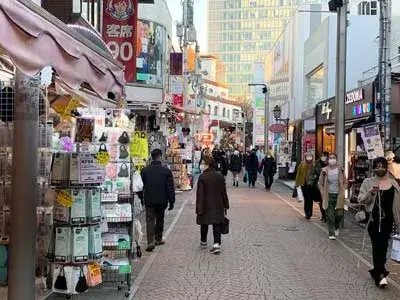
As you emerge from Harajuku Station, you’ll find yourself immediately immersed in a world where tradition and radical creativity coexist. The legendary Takeshita Street stretches before you, a narrow pedestrian thoroughfare that pulses with energy, filled with shops offering everything from the latest fashion trends to unique character goods. Just a short walk away, the sophisticated atmosphere of Omotesando Avenue provides a striking contrast with its tree-lined boulevards and architecturally stunning boutiques, demonstrating the district’s remarkable diversity.

Caede’s Local Insight:
“I always recommend starting your Harajuku exploration with an early morning visit to Meiji Jingu Shrine. Experiencing the profound peace of this sacred space first makes the subsequent dive into Harajuku’s vibrant energy even more remarkable. For those interested in traditional culture, I suggest also visiting Asakusa to compare the different aspects of Tokyo’s spiritual sites.”
Frequently Asked Questions
What makes Harajuku different from other Tokyo neighborhoods?
Harajuku stands out for its unique blend of sacred tradition and cutting-edge youth culture. Unlike the electronic wonderland of Akihabara or the business-centric atmosphere of Shinjuku, Harajuku serves as Tokyo’s fashion laboratory where new trends are born and creativity flourishes in its purest form.
How much time should I allocate for visiting Harajuku?
While you can experience the main highlights in about three to four hours, I recommend planning a full day to truly appreciate everything Harajuku has to offer. This allows time for both the popular Takeshita Street area and the more sophisticated Omotesando district, plus moments of relaxation in Yoyogi Park.
Is Harajuku suitable for visitors with dietary restrictions?
Absolutely! Harajuku has evolved to accommodate various dietary needs, with numerous vegan and vegetarian options available. Many cafes now offer plant-based versions of Japanese classics, and most restaurants can accommodate special requests when notified in advance.
What’s the best way to experience Harajuku’s famous fashion culture?
Beyond just shopping, I suggest visiting on a Sunday afternoon when local fashion enthusiasts gather to showcase their unique styles. For those interested in Japanese fashion history, combining your Harajuku visit with exploring the upscale boutiques in Ginza provides fascinating contrast between different fashion philosophies.
Cultural Depth and Modern Expressions
The majestic Meiji Jingu Shrine stands as a serene oasis where visitors can experience traditional Shinto ceremonies and stroll through beautiful seasonal gardens. This sacred space provides a peaceful counterpoint to the neighborhood’s energetic pace, offering moments of contemplation beneath ancient trees. Adjacent to the shrine, Yoyogi Park serves as Tokyo’s beloved urban retreat where locals and visitors gather to enjoy seasonal changes and spontaneous performances.
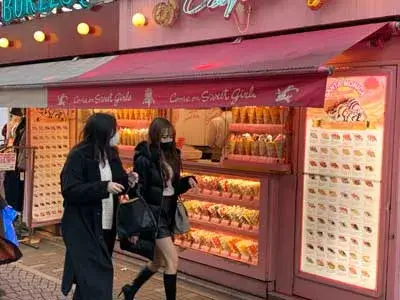
The area known as Ura-Harajuku reveals a different pace, where independent designers and boutique owners cultivate unique fashion statements away from the mainstream crowds. Here you’ll find emerging Japanese brands and vintage shops that reflect the authentic creativity that makes Harajuku so special. The culinary landscape offers equally delightful discoveries, from artistic sweet treats to innovative cafes that blend traditional Japanese flavors with contemporary presentation.
Caede’s Personal Reflection:
“What continues to amaze me about Harajuku is how it constantly reinvents itself while staying true to its core identity. The magic lies in those moments of unexpected discovery – whether it’s a pop-up art installation in a hidden gallery or a designer who has just opened their first boutique. I encourage every visitor to wander without a strict agenda, following their curiosity down narrow alleys. For those who enjoy discovering hidden gems, the Nakano Broadway area offers another fascinating look at Tokyo’s subcultures.”

Essential Visitor Information
Harajuku’s central location makes it easily accessible from major transportation hubs, with direct connections to Shinjuku, Shibuya, and other Tokyo destinations. This convenience allows visitors to combine their Harajuku exploration with visits to neighboring areas, creating a rich tapestry of Tokyo experiences. When planning your visit, consider that weekday mornings offer a more relaxed atmosphere, while Sunday afternoons showcase Harajuku’s most dynamic energy.

Final Thoughts from Caede
“Harajuku represents more than just a shopping destination – it’s a living expression of Japanese creativity where tradition and innovation dance together. Whether you come seeking fashion inspiration, culinary adventures, or simply to witness one of Tokyo’s most colorful neighborhoods, Harajuku promises to leave you with memories that capture the vibrant spirit of contemporary Japan. Every visit reveals new layers of this fascinating district, making it worth returning to again and again.”