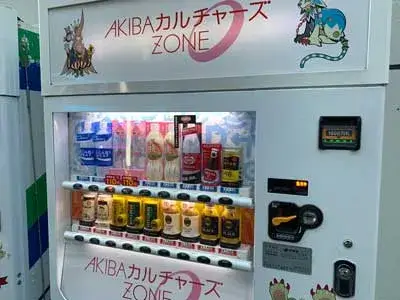
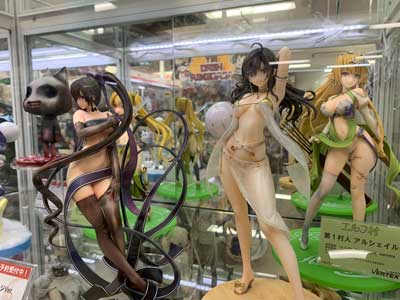
Step into the neon-lit streets of Akihabara, Tokyo’s legendary district that pulses with the energy of cutting-edge technology, anime culture, and gaming excitement. Known worldwide as “Electric Town,” Akihabara has evolved from a post-war black market electronics hub into the global epicenter of otaku culture, offering visitors an unforgettable immersion into the vibrant heart of Japanese pop culture and technological innovation.
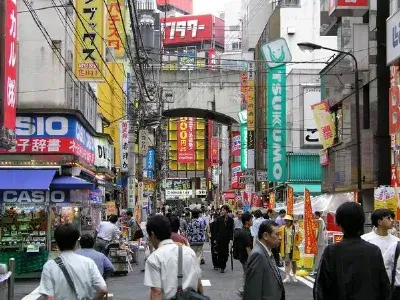
The Evolution of an Iconic District
Akihabara’s transformation tells a fascinating story of Japanese post-war recovery and cultural evolution. Beginning as a black market for radio parts after World War II, the area gradually specialized in household electronics during Japan’s economic boom. The 1990s saw the rise of personal computers and gaming, while the 2000s cemented Akihabara’s status as the world’s otaku capital. Today, this compact district perfectly represents Japan’s unique ability to blend technological advancement with creative subcultures, creating an environment where cutting-edge electronics stores stand alongside maid cafes and anime merchandise shops.

Caede’s Historical Insight:
“What many visitors don’t realize is that Akihabara’s transformation mirrors Japan’s own technological journey. From vacuum tubes to semiconductors, from family televisions to personal computers, and from arcade games to virtual reality—each technological shift left its mark here. This living history makes exploring Akihabara particularly fascinating. For a contrast in Tokyo’s electronic retail landscape, consider visiting the more specialized shops of Nakano Broadway, which offers a different but equally compelling otaku experience.”
The Electric Town Experience
Akihabara’s main thoroughfares present a sensory overload of neon signs, giant anime displays, and the constant buzz of excited conversation in multiple languages. The district organizes itself into distinct zones that cater to different interests:
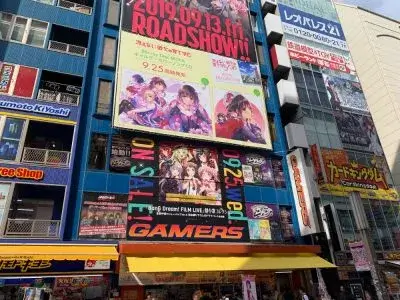
Electronics and Technology:
- Yodobashi Camera: Massive multi-story complex offering everything from cameras to home appliances
- Sofmap: Specializing in computers, gaming equipment, and refurbished electronics
- Specialty component shops for hobbyists and professionals
Anime and Manga Paradise:
- Mandarake Complex: Eight floors of rare collectibles and vintage manga
- Animate: Japan’s largest anime goods chain store
- Radio Kaikan: Iconic building housing multiple specialty shops
Gaming Culture:
- Super Potato: Legendary retro gaming store
- Various arcades including Sega and Taito game centers
- Gaming cafes and competitive e-sports venues
Caede’s Shopping Strategy:
“Start your exploration at Akihabara Station’s Electric Town exit and work your way down Chuo Dori. For electronics, visit the large department stores first for broad selection, then explore smaller specialty shops for niche items. For anime goods, the side streets and multi-story buildings often hide the most interesting finds. Remember to check upper floors—many buildings have different themes on each level! If you’re looking for fashion as well as electronics, Shibuya offers excellent shopping with a different atmosphere.”

Frequently Asked Questions
Q: What makes Akihabara different from other electronics districts in Tokyo?
A: Akihabara uniquely combines cutting-edge electronics with deep otaku culture. While Shinjuku and Ikebukuro have electronics stores, only Akihabara offers this complete integration of technology, gaming, anime, and manga in such a concentrated area.
Q: Are prices in Akihabara competitive for electronics?
A: Generally yes, especially for Japanese brands and specialty items. Tax-free shopping is widely available for foreign tourists (with passport). For second-hand and retro items, prices can be very reasonable.
Q: What are “maid cafes” and are they worth visiting?
A: Maid cafes are themed establishments where staff dress in maid costumes and treat customers as “masters” or “princesses.” They range from wholesome to more niche experiences. Research specific cafes beforehand to find one matching your comfort level and interests.
Q: Is Akihabara suitable for families with children?
A: Absolutely! During daytime hours, the area is family-friendly with many stores catering to all ages. Some arcades have children’s sections, and character goods shops delight younger visitors. Evening hours see more adult-oriented entertainment.
Q: How do I handle purchases that require voltage conversion?
A: Most major stores provide voltage information and sell converters. Japanese electronics run on 100V, so check your home country’s voltage before purchasing appliances.
Cultural Phenomena and Unique Experiences
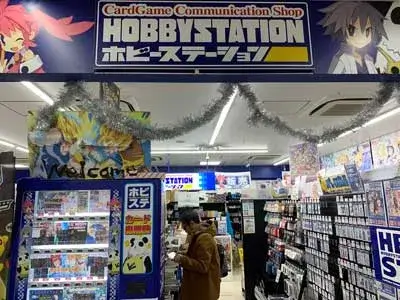
Maid Cafe Culture
Experience this uniquely Akihabara phenomenon where themed cafes offer everything from simple tea service to elaborate performances.
Gachapon Paradise
Rows of capsule toy machines offering everything from anime figures to practical items—a beloved Japanese convenience store tradition amplified to spectacular scale.
Arcade Culture
Multi-story game centers featuring everything from classic games to cutting-edge VR experiences and prize games (uchiage).
Anime Pilgrimage
Many stores host events with voice actors and creators, while the streets themselves often feature in popular anime series.

Caede’s Cultural Experience Tip:
“For a truly unique Akihabara experience, visit a ‘butler cafe’ (the male equivalent of maid cafes) or one of the animal cafes that have become popular. These offer insight into Japan’s unique service culture and themed entertainment. Remember that photography rules vary by establishment—always ask permission first. For more traditional Japanese cultural experiences, balance your visit with time in historic areas like Asakusa.”
Practical Visitor Information
📍 Access:
- Akihabara Station (JR Yamanote Line, Sobu Line, Keihin-Tohoku Line) – Main access point
- Akihabara Station (Tokyo Metro Hibiya Line) – Underground connections
- Multiple bus routes from major Tokyo stations
⏰ Best Times to Visit:
- Weekday afternoons: Best balance of open stores and manageable crowds
- Sunday afternoons: Chuo Dori becomes pedestrian paradise (closed to vehicles 1:00 PM-6:00 PM)
- Evenings: Neon displays are spectacular, but some stores close early
💡 Essential Tips:
- Bring passport for tax-free purchases (minimum purchase usually 5,000 yen)
- Cash is preferred in smaller shops and arcades
- Wear comfortable shoes—you’ll be doing lots of walking and standing
- Many stores have English-speaking staff, but learning basic Japanese phrases helps
Budget Guidelines:
- Economy: Window shopping, free exhibits, gachapon (300-500 yen each)
- Moderate: Manga, figures, game software (1,000-5,000 yen)
- Premium: Electronics, rare collectibles, specialized equipment (10,000 yen+)
Seasonal Events and Special Occasions
Akihabara Entertainment Festival
Regular events featuring cosplay, gaming tournaments, and industry announcements.
Summer Festivals
Traditional matsuri elements blended with anime and gaming themes.
New Product Launches
Major electronics and gaming companies often choose Akihabara for product releases.
Holiday Events
Special decorations and sales during Golden Week, Obon, and Christmas seasons.
Caede’s Event Recommendation:
“If possible, visit on a Sunday when Chuo Dori becomes pedestrian-only. The atmosphere is truly special with cosplayers, street performers, and an even more vibrant energy than usual. Check local event calendars for special gaming tournaments or anime release events that might coincide with your visit.

Beyond Mainstream: Niche Interests in Akihabara
Retro Computing and Gaming
Specialty shops catering to vintage computer and console enthusiasts.
Model and Hobby Supplies
Extensive selections for model trains, plastic models (Gunpla), and DIY electronics.
Audio Specialist Stores
High-end headphones, audio components, and vintage audio equipment.
Programming and Maker Culture
Shops catering to Raspberry Pi, Arduino, and DIY electronics communities.

Caede’s Niche Discovery:
“Venture into the back streets east of the station for some of Akihabara’s most interesting specialty shops. Here you’ll find stores dedicated to specific niches like vintage audio equipment, professional broadcasting gear, or specialty tools. These shops often have incredibly knowledgeable staff and items you won’t find anywhere else. For different specialized shopping experiences, Tokyo’s Kappabashi district offers everything for restaurant and kitchen needs.”
Accessibility and Visitor Services
- Multi-language support: Major stores have English, Chinese, and Korean signage
- Currency exchange: Available at banks and some larger stores
- Baggage storage: Coin lockers at station and some commercial facilities
- Free Wi-Fi: Increasingly available throughout the district
- Rest areas: Some stores have seating areas, and there are several cafes
Food and Refreshment Options
Themed Restaurants: From maid cafes to anime-themed eateries
Traditional Japanese: Ramen, curry, and donburi restaurants catering to quick meals
International Options: Increasing variety of international cuisine
Convenience Stores: Ubiquitous for quick snacks and drinks
Caede’s Food Recommendation:
“While themed cafes are fun, don’t overlook Akihabara’s excellent traditional food options. The area has some fantastic ramen shops that cater to both locals and visitors. For a quick, authentic meal, try one of the standing noodle shops—they’re delicious, efficient, and very Japanese. For more extensive dining options, Ueno and Asakusa offer wonderful traditional food experiences.”
Sustainable Tourism in Akihabara
As tourism has grown, Akihabara faces challenges balancing its unique character with visitor numbers. Responsible visitors can help by:
- Respecting photography rules and personal space
- Making purchases at smaller independent shops when possible
- Properly disposing of packaging and waste
- Respecting that some areas are primarily for local enthusiasts
- Learning basic Japanese etiquette for crowded spaces
Future Developments and Trends
Akihabara continues to evolve with:
- Increased integration of VR and AR experiences
- Growth of e-sports facilities and tournaments
- Expansion of international visitor services
- Preservation efforts for its unique cultural identity
Caede’s Final Reflection:
“Akihabara represents Tokyo at its most dynamically creative—a place where technology, commerce, and subculture collide to create something constantly new yet deeply rooted in specific history. Whether you’re hunting for the latest gadget, searching for that rare anime figure, or simply absorbing the incredible energy of this unique district, Akihabara offers an experience that exists nowhere else in the world. It’s a testament to Japan’s ability to embrace both technological future and niche passions, creating spaces where everyone from hardcore enthusiasts to curious tourists can find something to spark their imagination. After experiencing Akihabara’s electric energy, consider balancing your Tokyo visit with the serene beauty of places like Meiji Jingu to appreciate the full spectrum of this incredible city’s offerings.”