
Where Tokyo’s energy reaches its most electrifying crescendo, Shibuya stands as the ultimate expression of Japan’s contemporary urban experience. Famous worldwide for its iconic scramble crossing, this district pulses with an irresistible rhythm where cutting-edge fashion, technological innovation, culinary trends, and nightlife converge in a spectacular display of modern Japanese culture. More than just a shopping and entertainment hub, Shibuya serves as Tokyo’s cultural barometer, constantly evolving while maintaining its unique identity as the epicenter of youth culture and trendsetting.
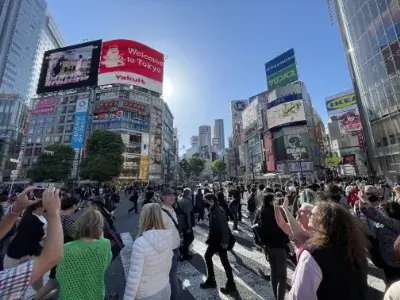
The Scramble Crossing: Tokyo’s Ultimate Urban Spectacle
At the heart of Shibuya’s identity lies its legendary scramble crossing—the world’s busiest pedestrian intersection where up to 3,000 people cross simultaneously during peak times. This mesmerizing dance of humanity isn’t just a transportation necessity; it’s a living performance art piece that perfectly encapsulates Tokyo’s organized chaos and collective efficiency. The crossing serves as both a functional marvel and a powerful symbol of Shibuya’s role as a convergence point for diverse people, ideas, and trends.
Caede’s Crossing Insight:
“The magic of Shibuya Crossing reveals itself differently from each perspective. First, experience it from ground level during peak hours—feeling the collective energy of thousands moving in synchronized flow. Then, view it from above at the Starbucks in Tsutaya or the Shibuya Sky observation deck to appreciate the intricate patterns of movement. Finally, cross it at night when the neon lights create a cyberpunk atmosphere straight out of a sci-fi film. For more iconic Tokyo urban experiences, compare with the electronics wonderland of Akihabara or the sophisticated streets of Ginza.”

Hachiko Statue: A Symbol of Loyalty and Meeting Point
Just outside Shibuya Station, the bronze statue of Hachiko—the loyal Akita dog who waited nine years for his deceased owner—has become more than just a memorial; it’s Shibuya’s most beloved meeting point and a powerful symbol of Japanese values. The statue’s enduring popularity speaks to Japan’s deep appreciation for loyalty and tradition, even amidst the district’s relentless modernity.

The Evolution of a Cultural Epicenter
Shibuya’s transformation from a quiet residential area to Tokyo’s youth culture capital tells a fascinating story of urban development:
Historical Layers:
- 1930s: Development around Shibuya Station begins
- 1960s-70s: Emergence as youth fashion district
- 1990s: Global recognition through technology and pop culture
- 2020s: Massive redevelopment creating futuristic new landmarks
Cultural Significance:
- Birthplace of numerous Japanese fashion trends
- Setting for countless films, anime, and television shows
- Testing ground for technological innovations and retail concepts
- Platform for emerging musical artists and creative talent

Caede’s Historical Perspective:
“What makes Shibuya endlessly fascinating is its constant reinvention while honoring its roots. The newly developed Shibuya Scramble Square represents cutting-edge urban design, while small alleyways like Nonbei Yokocho preserve post-war drinking culture. This balance between innovation and preservation creates a district that feels simultaneously futuristic and deeply rooted in Tokyo’s history. For more Tokyo neighborhood evolution stories, explore the transformation of Shinagawa from post station to business hub or Roppongi’s blend of nightlife and art.”
Frequently Asked Questions
Q: What’s the best time to experience Shibuya Crossing?
A: Evening rush hour (6-8 PM) for maximum energy, but weekends offer a more leisurely experience. For photography, “blue hour” just after sunset provides perfect lighting with illuminated signs.
Q: How does Shibuya differ from Shinjuku?
A: While both are major hubs, Shibuya focuses more on youth culture, fashion, and technology, while Shinjuku offers more corporate presence, government buildings, and diverse entertainment districts. Shibuya feels more forward-looking and trend-focused.
Q: Is Shibuya suitable for families?
A: Absolutely! During daytime, it’s family-friendly with department stores, parks, and entertainment options. The scramble crossing is thrilling for children (with close supervision), and there are numerous family restaurants and kid-friendly attractions.
Q: What are the must-visit shopping areas?
A: Shibuya 109 for youth fashion, Miyashita Park for streetwear and lifestyle, Shibuya Scramble Square for luxury and technology, and Center Gai for general shopping and people-watching.
Q: How do I navigate Shibuya Station?
A: Allow extra time—it’s a complex network. Follow color-coded signs for different lines. The Hachiko exit is most convenient for the scramble crossing area. Consider downloading a station map before visiting.
Shopping Paradise: From Streetwear to Luxury
Shibuya’s retail landscape offers something for every taste and budget:
Youth Fashion Mecca:
- Shibuya 109: Iconic building defining Japanese kogal fashion for decades
- Miyashita Park: Vertical park complex with streetwear brands and lifestyle stores
- Center Gai: Narrow street packed with trendy boutiques and fast fashion
Department Stores and Luxury:
- Shibuya Scramble Square: 47-story complex with luxury brands and observation deck
- Tokyu Department Store: Connected directly to station with excellent food basement
- Parco: Cutting-edge fashion, anime, and art in architecturally striking building
Specialty Shopping:
- Tower Records: Massive music store maintaining physical media culture
- Don Quijote: Everything-you-need store open 24 hours
- Loft: Lifestyle and stationery paradise

Caede’s Shopping Strategy:
*”Start at Shibuya 109 to understand youth fashion trends, then explore Miyashita Park for contemporary streetwear. For lunch, hit the depachika (food basement) at Tokyu Department Store. In the afternoon, browse Parco’s unique concept stores before finishing at Shibuya Scramble Square for luxury shopping and sunset views. Remember that many stores offer tax-free shopping for international visitors—keep your passport handy. For different shopping experiences, compare with the otaku focus of Ikebukuro or traditional crafts in Asakusa.”*
Culinary Landscape: From Street Food to Fine Dining
Shibuya’s food scene reflects its youthful, innovative spirit:
Street Food and Quick Eats:
- Takoyaki and crepe stands in Center Gai
- Standing noodle bars for authentic, efficient meals
- International fast food with Japanese twists
Themed and Experience Dining:
- Ninja restaurants and robot-themed cafes
- Character cafes and pop-up dining experiences
- Izakaya alleyways like Nonbei Yokocho
International Cuisine:
- Some of Tokyo’s best ramen shops in hidden locations
- Korean barbecue influenced by youth trends
- Vegan and health-conscious options growing rapidly
Caede’s Food Recommendation:
“For an authentic Shibuya experience, try standing at a tiny ramen counter—the efficiency and quality are uniquely Japanese. For something more leisurely, explore the tiny bars of Nonbei Yokocho (literally ‘Drunkard’s Alley’). Don’t miss trying the latest crepe trend from one of the takeaway stands. For more extensive dining, the Nakameguro area next door offers excellent restaurants with slightly less crowds.”

Nightlife and Entertainment
As sunset approaches, Shibuya transforms into one of Tokyo’s most vibrant nightlife destinations:
Live Music Scene:
- Legendary venues like Club Quattro and WWW
- Intimate live houses showcasing emerging talent
- Karaoke complexes for group entertainment
Bar and Club Culture:
- High-energy clubs in Dogenzaka area
- Sophisticated cocktail bars in newly developed complexes
- Themed bars and unique drinking experiences
Late-Night Options:
- 24-hour internet cafes for unexpected stays
- Late-night shopping at Don Quijote
- All-night diners and ramen shops

Caede’s Nightlife Guidance:
“Shibuya’s nightlife offers incredible diversity. For club experiences, the Dogenzaka area is legendary. For more sophisticated evenings, the new developments around Miyashita Park offer excellent cocktail bars. Always carry your passport—many venues require ID regardless of age. For different nightlife experiences, compare with the upscale bars of Roppongi or the tiny establishments of Shinjuku’s Golden Gai.”
Practical Information
📍 Transportation Hub:
- Shibuya Station: Served by JR Yamanote Line, Saikyo Line, multiple subway lines
- Direct connections: To Shinjuku (4 minutes), Shinagawa (10 minutes), Tokyo Station (25 minutes)
- Airport access: Narita Express stops at Shibuya (90 minutes)
⏰ Optimal Visiting Times:
- Morning: 10 AM-12 PM for comfortable shopping before crowds
- Afternoon: 1-5 PM for peak energy and people-watching
- Evening: 6-10 PM for nightlife and illuminated crossing
- Weekdays: Less crowded than weekends
💡 Essential Tips:
- Wear comfortable shoes—you’ll walk extensively
- Use station lockers for bags before exploring
- Download offline maps—underground navigation can be confusing
- Carry cash—many smaller establishments don’t accept cards
Cultural and Artistic Legacy
📍 Transportation Hub:
- Shibuya Station: Served by JR Yamanote Line, Saikyo Line, multiple subway lines
- Direct connections: To Shinjuku (4 minutes), Shinagawa (10 minutes), Tokyo Station (25 minutes)
- Airport access: Narita Express stops at Shibuya (90 minutes)
⏰ Optimal Visiting Times:
- Morning: 10 AM-12 PM for comfortable shopping before crowds
- Afternoon: 1-5 PM for peak energy and people-watching
- Evening: 6-10 PM for nightlife and illuminated crossing
- Weekdays: Less crowded than weekends
💡 Essential Tips:
- Wear comfortable shoes—you’ll walk extensively
- Use station lockers for bags before exploring
- Download offline maps—underground navigation can be confusing
- Carry cash—many smaller establishments don’t accept cards
Green Spaces and Urban Retreats
Despite its urban intensity, Shibuya offers peaceful escapes:
Miyashita Park:
Innovative rooftop park combining greenery with retail and dining.
Shibuya River Walk:
Rediscovered waterway with pleasant walking paths.
Yoyogi Park:
Massive adjacent park perfect for picnics and people-watching.
Caede’s Relaxation Tip:
“When the sensory overload becomes too much, escape to Yoyogi Park or the Shibuya River Walk. The contrast between Shibuya’s frenetic energy and these peaceful spaces creates a perfect balance. For more Tokyo green spaces, visit Shinjuku Gyoen for traditional garden beauty or the Imperial Palace Gardens for historical landscapes.”
Technological Innovation and Future Development
Shibuya serves as Tokyo’s laboratory for urban innovation:
Recent Developments:
- Shibuya Scramble Square with cutting-edge architecture
- Miyashita Park’s vertical urban park concept
- Ongoing station redevelopment improving flow and experience
Technological Integration:
- Advanced digital signage and interactive displays
- Cashless payment systems adoption
- Smart city initiatives and sustainability features
Cultural Projects:
- Support for emerging artists and creators
- Public art installations and cultural events
- Preservation of historical elements amidst redevelopment

Caede’s Innovation Observation:
“Shibuya demonstrates how Japanese cities can honor history while embracing the future. The careful preservation of Hachiko’s legacy alongside the construction of futuristic skyscrapers shows a sophisticated approach to urban development. This balance makes Shibuya not just a district to visit, but a case study in successful urban evolution. For more futuristic Tokyo experiences, visit Odaiba’s artificial island or Toyosu’s high-tech fish market.”
Seasonal Events and Annual Traditions
New Year’s Celebration: Massive countdown event at the crossing (though recently restricted)
Halloween: World-famous unofficial celebration drawing thousands in costume
Fashion Events: Seasonal collections and designer showcases
Music Festivals: Outdoor performances in park areas
Accessibility Features
- Improved station accessibility with elevators and escalators
- Tactile paving for visually impaired visitors
- Multilingual signage at major facilities
- Wheelchair-accessible routes in newer developments
Shibuya for Different Travel Styles
First-Time Visitors: Focus on the scramble crossing, Hachiko statue, and department stores
Shoppers: Concentrate on specific districts based on fashion preferences
Food Enthusiasts: Explore izakaya alleyways and hidden ramen shops
Nightlife Seekers: Research specific venues in advance as options are overwhelming
Families: Stick to daytime visits with park breaks and family restaurants
Caede’s Personalized Recommendations:
“For fashion-forward visitors, spend time in Miyashita Park and Parco. For technology enthusiasts, explore the electronics floors at Shibuya Scramble Square. For authentic local experiences, get lost in the backstreets between Shibuya and Harajuku. Each visit can focus on different aspects of Shibuya’s multifaceted personality.”
Sustainable Tourism Considerations
As visitor numbers increase, responsible practices become essential:
- Support smaller local businesses alongside major chains
- Use public transportation to access the area
- Respect residential areas when exploring beyond main districts
- Participate in recycling initiatives available at major facilities
- Choose establishments with environmental certifications

Caede’s Final Reflection:
“Shibuya represents Tokyo at its most dynamically human—a place where individual expression and collective movement create something greater than the sum of its parts. It’s a district that celebrates the present moment while constantly inventing the future, that honors simple loyalty alongside complex innovation, that moves at lightning speed yet maintains spaces for quiet contemplation. More than just a must-visit destination, Shibuya offers a masterclass in how cities can evolve without losing their soul, how technology can enhance rather than replace human connection, and how tradition and innovation can dance together in perfect, chaotic harmony. Whether you come to shop, to eat, to people-watch, or simply to feel the pulse of contemporary Japan, Shibuya welcomes you to join its endless, exhilarating scramble into the future.”