
Nestled in the dramatic landscapes of Fuji-Hakone-Izu National Park, Hakone stands as Japan’s quintessential hot spring retreat, offering a perfect harmony of natural beauty, traditional culture, and rejuvenating relaxation. Just 90 minutes from Tokyo, this mountainous haven has welcomed visitors for centuries to soak in its therapeutic waters, admire breathtaking views of Mount Fuji, and experience the timeless elegance of Japanese hospitality.
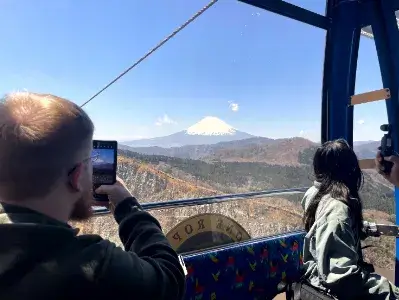
A Geological Wonder and Cultural Treasure
Hakone’s unique appeal begins with its dramatic geology—a volcanic caldera formed approximately 3,000 years ago that continues to shape every aspect of the experience. The area’s geothermal activity provides the mineral-rich hot springs (onsen) that have made Hakone famous, while the volcanic landscape creates the dramatic scenery that unfolds at every turn. This natural foundation supports a rich cultural tradition of hospitality that has evolved from serving feudal lords and pilgrims to welcoming modern travelers from around the world.

Caede’s Geological Insight:
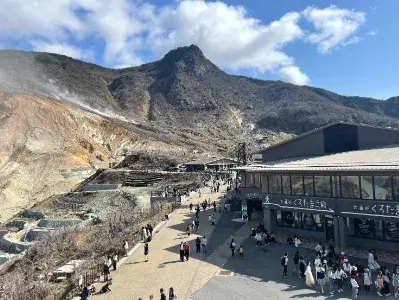
“What makes Hakone truly special is how its volcanic origins continue to define the experience. The sulfurous scent at Owakudani, the steam rising from hot spring baths, the dramatic views created by ancient eruptions—all connect you to powerful geological forces. This isn’t just a scenic area; it’s a living volcanic landscape that continues to shape both the environment and the culture. For more of Japan’s volcanic wonders, consider visiting Mount Aso in Kyushu or combining your trip with nearby Mount Fuji exploration.”
The Iconic Hakone Round Course
Hakone’s most famous experience is the circular route that showcases the area’s diverse transportation and scenery in one perfectly orchestrated journey:
1. Hakone Tozan Railway: Japan’s oldest mountain railway climbing through hydrangea tunnels in summer
2. Hakone Ropeway: Soaring over active volcanic zones with views of Mount Fuji
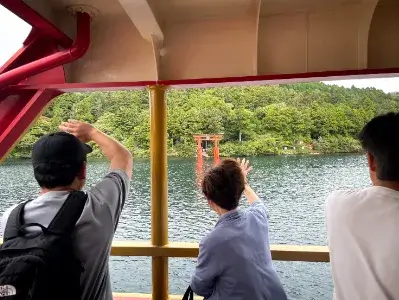
3. Lake Ashi Cruise: Traditional pirate ships crossing the volcanic crater lake
4. Hakone Tozan Bus/ Cable Car: Completing the circuit through changing landscapes
Caede’s Round Course Strategy:
“Start early to avoid crowds and maximize your chances of clear Mount Fuji views. Begin at Hakone-Yumoto Station and work counter-clockwise. The morning light is usually best for Fuji visibility. Purchase the Hakone Free Pass for unlimited travel and significant savings. Remember that weather can affect operations—check conditions before starting. For alternative scenic transportation experiences in Japan, consider the Kurobe Gorge Railway or Arashiyama’s romantic train in Kyoto.”

Must-Experience Hakone Attractions
Owakudani (Great Boiling Valley)
Active volcanic zone where you can see steaming vents, eat black eggs boiled in sulfurous waters (said to add seven years to your life), and experience the raw power of Hakone’s geothermal activity.
Lake Ashi (Ashinoko)
Caldera lake formed by volcanic activity 3,000 years ago, offering stunning reflections of Mount Fuji on clear days and picturesque cruises on replica pirate ships.
Hakone Open-Air Museum
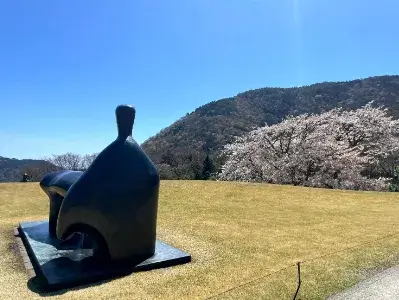
World-class sculpture museum blending art with nature, featuring works by Picasso, Henry Moore, and Japanese masters in spectacular outdoor settings.
Hakone Shrine
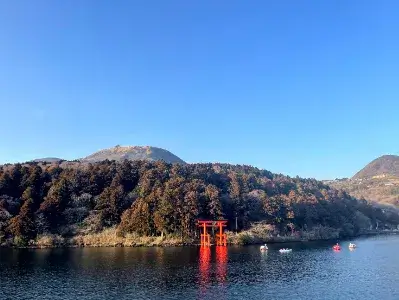
Serene Shinto shrine with iconic red torii gate standing in Lake Ashi, creating one of Japan’s most photographed scenes.
Old Tokaido Road
Historic pathway lined with ancient cedar trees, once traveled by feudal lords between Tokyo and Kyoto.

Caede’s Attraction Recommendation:
“While the major sights are essential, don’t miss Hakone’s smaller treasures. The Pola Museum of Art houses an impressive Impressionist collection, while the Narukawa Art Museum offers spectacular lake views with its modern Japanese art. For a unique perspective, take the Hakone Komagatake Ropeway for different angles of Mount Fuji. If you enjoy museum-hopping, compare Hakone’s art offerings with those in Karuizawa, another mountain resort with excellent museums.”
The Onsen Experience: Hakone’s Healing Waters
Hakone boasts 17 distinct hot spring areas, each with different mineral compositions and therapeutic properties:
Yumoto: Hakone’s oldest hot spring town with accessible public baths
Gora: Sophisticated resort area with museum and garden access
Miyanoshita: Historic area favored by international visitors since Meiji period
Sengokuhara: Highland area with sweeping views and art museums

Caede’s Onsen Guidance:
“First-time onsen visitors might start with a day-use facility like Hakone Yuryo or Tenzan Onsen before committing to ryokan bathing. Remember onsen etiquette: wash thoroughly before entering, no swimsuits, tie long hair up, and no photography. Each hot spring area has different water properties—sulfur springs are great for skin, while simple thermal springs soothe muscles. For more traditional onsen experiences beyond Hakone, consider the historic baths of Kusatsu or the coastal onsens of Izu Peninsula.”
Frequently Asked Questions
Q: What’s the best time to visit Hakone?
A: Each season offers unique charms: Spring for cherry blossoms, summer for greenery and hydrangeas, autumn for spectacular foliage, winter for crisp views of snow-capped Fuji and fewer crowds.
Q: How many days should I spend in Hakone?
A: Minimum two days/one night to experience both the round course and proper onsen relaxation. Three days allows more thorough exploration and multiple hot spring experiences.
Q: Is the Hakone Free Pass worth it?
A: Absolutely if you plan to use multiple transportation methods. It includes the round course transportation, discounts at attractions, and can be used from Shinjuku Station in Tokyo.
Q: Can I visit Hakone as a day trip from Tokyo?
A: Possible but rushed. The round course alone takes 6-8 hours, leaving little time for onsen relaxation. An overnight stay is highly recommended.
Q: What should I pack for Hakone?
A: Layers (temperatures are cooler than Tokyo), comfortable walking shoes, swimsuit for mixed-gender baths (if planning to use them), and a small towel for public onsens.
Traditional Accommodation: The Ryokan Experience
Hakone offers some of Japan’s finest traditional inns:
Kaiseki Cuisine: Multi-course seasonal dinners showcasing local ingredients
Private Onsen: Many ryokan offer rooms with private open-air baths (rotenburo)
Cultural Immersion: Yukata (cotton robes), tatami floors, and impeccable service
Scenic Locations: Often situated with views of mountains, rivers, or gardens

Caede’s Ryokan Selection Tip:
“Choose your ryokan based on priorities: For ultimate luxury and cuisine, consider Gora or Miyanoshita areas. For value and accessibility, Yumoto or Hakone-machi. For modern design with traditional elements, newer properties in Sengokuhara. Book well in advance, especially for weekends and peak seasons. For comparison with other traditional Japanese accommodations, read about Kyoto’s machiya stays or Shirakawago’s gassho-zukuri farmhouses.”
Practical Visitor Information
Practical Visitor Information
📍 Access from Tokyo:
- Romancecar: Direct limited express from Shinjuku to Hakone-Yumoto (85 minutes)
- Odakyu Line: Regular express trains with transfers
- Shinkansen: To Odawara Station, then transfer to local trains (60+ minutes)
- Highway Bus: Direct buses from multiple Tokyo locations
⏰ Optimal Visiting Schedule:
- Day 1: Arrive midday, check into ryokan, enjoy onsen, kaiseki dinner
- Day 2: Complete round course, visit attractions, try public onsens
- Day 3: Morning onsen, visit remaining sights, depart after lunch
💴 Cost Considerations:
- Hakone Free Pass: 2-day from ¥6,100 (from Shinjuku)
- Ryokan Stay: ¥15,000-¥80,000+ per person including meals
- Attraction Entry: ¥500-¥2,000 per major attraction
- Food: Lunch ¥1,000-¥3,000, dinner varies widely
Seasonal Highlights
Spring (March-May):
- Cherry blossoms at Hakone Shrine and along Old Tokaido Road
- Fresh mountain vegetables in kaiseki cuisine
- Comfortable hiking temperatures
Summer (June-August):
- Hydrangea blooms along Hakone Tozan Railway (June-July)
- Firefly viewing at select locations
- Lake activities and cooler mountain temperatures
Autumn (September-November):
- Spectacular koyo (foliage) from October to November
- Clear days for Mount Fuji viewing
- Mushroom-themed seasonal cuisine
Winter (December-February):
- Snow-capped Mount Fuji views
- Fewer crowds and potential ryokan discounts
- Cozy onsen experience in cold weather
Culinary Delights of Hakone
Local Specialties:
- Kuro-tamago: Black eggs boiled in Owakudani’s sulfurous waters
- Hakone soba: Buckwheat noodles using local spring water
- Yose-nabe: Hot pot with local vegetables and mountain stream fish
- Boxed lunches: Ekiben featuring local ingredients for scenic meals
Kaiseki Ryori:
Traditional multi-course dinners at ryokans showcasing seasonal ingredients from mountains and nearby Sagami Bay.
Caede’s Food Experience:
“Don’t leave without trying the kuro-tamago at Owakudani—the sulfur taste is milder than expected! For lunch, many attractions offer excellent local specialties. At ryokans, communicate any dietary restrictions when booking. The area around Hakone-Yumoto Station has wonderful local restaurants if your ryokan doesn’t include meals. For more Japanese culinary adventures, consider a Tokyo food tour or Kyoto tea ceremony experience.”

Art and Culture Beyond Nature
Hakone has cultivated a rich artistic community:
Museum Network:
- Hakone Open-Air Museum: Sculpture in natural settings
- Pola Museum of Art: Impressionist masterpieces in forest setting
- Narukawa Art Museum: Modern Japanese art with lake views
- Okada Museum of Art: Asian ceramics and paintings
Craft Traditions:
- Hakone marquetry (yosegi zaiku) wooden puzzles and boxes
- Local pottery and glassware
- Traditional woodworking demonstrations

Caede’s Artistic Discovery:
“The Hakone Open-Air Museum is worth half a day alone—the Picasso Pavilion is exceptional, and the foot baths are a delightful combination of art and onsen culture. For craft lovers, the Hakone Craft House offers yosegi zaiku workshops. These artistic elements add depth to the natural beauty, showing how Hakone has inspired creativity for generations. For more Japanese art immersion, consider Naoshima’s art islands or Kanazawa’s traditional crafts.”
Sustainable Tourism in Hakone
Hakone faces the challenge of balancing preservation with accessibility:
Conservation Efforts:
- Protection of old growth forests and watersheds
- Regulation of geothermal resource use
- Waste management in sensitive ecological areas
Visitor Responsibility:
- Stay on designated trails
- Follow onsen etiquette to maintain water quality
- Support local businesses and traditional crafts
- Use public transportation within the area
Accessibility Considerations
- Many ryokan have Western-style rooms available
- Some attractions have wheelchair accessibility (check in advance)
- The Hakone Free Pass includes assistance services
- English support varies—major hotels and attractions generally have good English assistance
Special Events Throughout the Year
Spring: Hakone Festival (May), featuring portable shrines and traditional performances
Summer: Lake Ashi Fireworks Festival (July-August)
Autumn: Hakone Daimyo Gyoretsu (November), feudal lord’s procession reenactment
Winter: Illumination events at various gardens and museums
Caede’s Event Planning:
“If your visit coincides with the Hakone Daimyo Gyoretsu in November, you’ll witness one of Japan’s most colorful historical reenactments. The autumn foliage provides a stunning backdrop. For event schedules, check Hakone’s official tourism website. Remember that events can mean crowds and limited accommodation—book well in advance. For more traditional Japanese festivals, consider timing your Japan trip with Kyoto’s Gion Matsuri or Tokyo’s Sanja Matsuri.”
Planning Your Perfect Hakone Stay
For First-Time Visitors:
Follow the classic round course, stay in a traditional ryokan, and prioritize Mount Fuji viewing opportunities.
For Repeat Visitors:
Focus on specific interests—art museums, hiking trails, or exploring different onsen villages.
For Families:
Choose accommodations with private baths, include the Open-Air Museum and pirate ship cruise, consider shorter hiking options.
For Luxury Travelers:
Select high-end ryokan with private open-air baths, arrange private tours, include spa treatments beyond standard onsen bathing.
Your Japan Tour
As seasoned Japan experts, we create perfect Japan package tours including destinations like Hakone. Check out our group tours and private tours, or contact us to start planning your unforgettable holiday to this fascinating country full of once-in-a-lifetime experiences, culture, history, nature, and delicious food!