
Nestled in the heart of bustling Shibuya, Meiji Jingu (明治神宮) stands as a serene oasis of tranquility, offering visitors a profound connection to Japan’s spiritual heritage amidst the modern metropolis. This Shinto shrine, dedicated to Emperor Meiji and Empress Shoken, represents one of Tokyo’s most important cultural landmarks and provides a breathtaking experience where nature, tradition, and history converge.
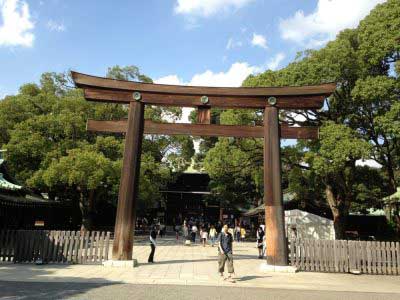
A Forest Born from Devotion
What makes Meiji Jingu truly extraordinary is its forest—a man-made woodland created through the donations of over 100,000 trees from across Japan and planted by volunteers. This 70-hectare sanctuary, now a mature ecosystem with trees over a century old, demonstrates Japan’s deep reverence for nature and its ability to create sacred spaces within urban environments. The forest’s careful design creates a natural pathway that guides visitors toward spiritual reflection even before reaching the main shrine buildings.

Caede’s Spiritual Insight:
“As you pass through the first torii gate, something remarkable happens—the sounds of Tokyo fade away, replaced by birdsong and rustling leaves. This intentional transition prepares your mind and spirit for the sacred experience ahead. I always recommend walking slowly through this approach, allowing yourself to fully absorb the shift from urban energy to serene contemplation. For another beautiful spiritual experience in Tokyo, consider visiting Sensoji Temple in Asakusa for a different but equally meaningful encounter with Japanese tradition.”
Planning to see this yourself? We run One-Day Tokyo Private Tour with an English-Speaking Guide, and you can browse every itinerary in our Tokyo and Japan-wide tours.
The Heart of the Shrine
The main shrine complex, constructed in traditional Nagarezukuri style using Japanese cypress, exemplifies the elegant simplicity of Shinto architecture. Visitors follow the purified path to offer prayers at the main hall, where they can experience authentic Shinto rituals and ceremonies. The shrine’s design—without excessive ornamentation—creates a powerful atmosphere of purity and reverence that resonates with both Japanese worshippers and international visitors
Key Areas to Explore:
- Main Shrine Buildings: The central worship halls where ceremonies are conducted
- Inner Garden: Features the beautiful Iris Garden that blooms spectacularly in June
- Treasure Museum: Houses personal artifacts of Emperor Meiji and Empress Shoken
- Shinto Ritual Observance: Daily ceremonies that visitors may respectfully observe
Caede’s Ritual Guidance:
“Participating in basic Shinto customs can deepen your experience. At the temizuya (purification fountain), use the ladle to cleanse your left hand, then right hand, then mouth, and finally the ladle handle. When approaching the main hall, bow twice, clap twice, offer your prayer, then bow once more. These simple acts connect you to centuries of tradition. If you’re interested in learning more about Japanese spiritual practices, our guides at Japan City Tour can provide deeper insights during our cultural tours.”

Frequently Asked Questions
Q: What is the best time to visit Meiji Jingu?
A: Early morning offers the most serene experience with fewer crowds. However, each season brings unique beauty—spring for fresh greenery, June for iris blossoms, autumn for colorful foliage, and New Year for the spectacular hatsumode (first shrine visit) tradition.
Q: How long should I plan for my visit?
A: Allow 1-2 hours to fully experience the shrine and its grounds. If you wish to explore the Inner Garden (additional fee) or visit during special events, allocate 2-3 hours for a more leisurely experience.
Q: Is photography allowed within the shrine?
A: Photography is permitted in the outer grounds and approach to the shrine, but please refrain from taking pictures inside the main worship areas or during ceremonies out of respect for worshippers.
Q: What should I wear when visiting?
A: While there’s no strict dress code, modest clothing is appreciated. The grounds involve considerable walking on gravel paths, so comfortable shoes are recommended.
Q: Are there English explanations available?
A: Yes, English pamphlets are available at the entrance, and major signs throughout the grounds include English translations. The shrine’s official website also provides comprehensive English information.
Seasonal Highlights and Events
New Year’s Hatsumode: Experience Japan’s most important shrine tradition as millions visit for their first prayers of the year (January 1-3).
Iris Blooming Season: The Inner Garden’s 150 varieties of irises create a spectacular display in early June.
Autumn Foliage: The forest transforms with brilliant colors from late November through December.
Traditional Weddings: Visitors may witness beautiful Shinto wedding processions on weekends and auspicious days.

Caede’s Seasonal Recommendation:
“While any time is wonderful to visit, I particularly love early Sunday mornings in autumn. You might witness a traditional wedding procession—a breathtaking sight with the vibrant fall colors as backdrop. The sound of the groom’s traditional footsteps on the gravel path creates a rhythm that seems to connect present with past. After your shrine visit, the nearby Harajuku district offers a fascinating contrast between traditional and contemporary Japanese culture.”
Your Japan Tour
If you are thinking about making a trip to Japan, as seasoned Japan experts we can help you create your perfect Japan tour including destinations like the Meiji Shrine. Contact us to start planning your unforgettable holiday to this fascinating country. Japan is full of once-in-a-lifetime experiences, culture, history, nature, and delicious food!
Practical Visitor Information
???? Access:
- Harajuku Station (JR Yamanote Line) – 1 minute walk to main entrance
- Meiji-jingumae Station (Tokyo Metro) – 3 minute walk to main entrance
- Sangubashi Station (Odakyu Line) – 10 minute walk to north entrance
⏰ Hours:
- Shrine Grounds: Sunrise to sunset (varies by season)
- Inner Garden: 9:00 AM – 4:30 PM (March-October), 9:00 AM – 4:00 PM (November-February)
- Treasure Museum: 10:00 AM – 4:30 PM (closed Mondays and following days if Monday is holiday)
???? Admission:
- Treasure Museum: 500 yen (or combined ticket with Inner Garden available)
- Shrine Grounds: Free
- Inner Garden: 500 yen (includes Meiji Jingu Museum)
Essential Etiquette and Tips
- Walk on the sides of the main path (center is reserved for deities)
- Maintain a respectful quietness throughout the grounds
- Photography restrictions are clearly marked—please observe them
- Large bags and luggage should be stored at station lockers before visiting
- The gravel paths may be challenging for strollers and wheelchairs in some areas
Beyond the Main Shrine
Meiji Jingu Museum
Opened in 2019 to commemorate the 100th anniversary, this modern facility designed by architect Kengo Kuma houses precious artifacts and offers deeper historical context through interactive displays.
Naien (Inner Garden)
Originally created by Emperor Meiji for Empress Shoken, this paid-access garden features the spectacular Iris Garden, tranquil ponds, and the Kiyomasa’s Well—a spiritually significant spot.
Sake and Wine Barrels
Displayed at the shrine entrance, these offerings from Japanese sake brewers and French wine makers symbolize the cultural exchange championed during Emperor Meiji’s reign.
Caede’s Hidden Discovery:
“Most visitors follow the main path, but I recommend exploring the lesser-known north area near the Sangubashi entrance. Here you’ll find quieter forest paths and the Original Imperial Carriage House. It’s also worth noting that Meiji Jingu is actually part of a larger green corridor connecting to Yoyogi Park—you can easily spend a full morning exploring this entire green oasis in central Tokyo.”

Cultural Significance and Modern Relevance
Meiji Jingu serves not only as a religious site but also as a living cultural institution that preserves and transmits Japanese traditions. From the daily rituals performed by priests to the seasonal festivals that mark the agricultural calendar, the shrine maintains practices that have defined Japanese spirituality for centuries while remaining accessible and meaningful to contemporary visitors from around the world.
The shrine’s commitment to environmental stewardship is equally significant—the forest functions as a vital green lung for Tokyo while demonstrating how human intervention, when guided by reverence, can create sustainable ecosystems that benefit both nature and urban communities.

Caede’s Final Reflection:
“Meiji Jingu offers something increasingly rare in our modern world—a space where time seems to move differently, where the boundary between past and present softens, and where people from all backgrounds can experience moments of genuine peace and reflection. Whether you come for spiritual reasons, cultural interest, or simply to escape the city’s pace, this sacred forest has a remarkable ability to touch each visitor uniquely. It stands as a beautiful testament to Japan’s ability to honor tradition while embracing the future—a theme that continues throughout Japanese culture, from its ancient temples to its technological innovations.”
Last updated: September 2026