
Nestled on the border between Osaka and Kyoto Prefectures, the Yamazaki Distillery stands as the sacred birthplace of Japanese whisky and the heart of Japan’s globally acclaimed whisky production. Founded in 1923, this historic distillery represents far more than a production facility—it is a cultural heritage site where Japanese craftsmanship, natural bounty, and Western technology have been refined through a uniquely Japanese sensibility.
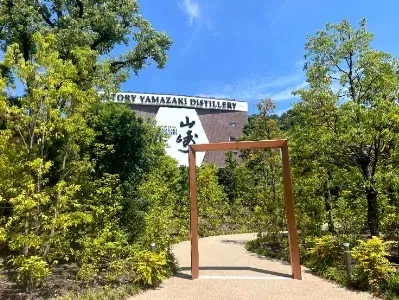
An Ideal Location in Harmony with Nature
The Yamazaki Distillery’s greatest feature lies in its geographical advantages. The pristine groundwater selected for Japan’s “100 Famous Waters,” the humid climate prone to mist formation, and the rich natural environment shaped by the changing seasons all contribute to Yamazaki whisky’s distinctive and complex flavor profile. Particularly, the “Yamazaki no Rikyū no Mizu” (Water of the Yamazaki Imperial Villa) flowing from Lake Biwa Canal possesses a rare quality in Japan, combining the characteristics of both soft and hard water, providing miraculous conditions for whisky making.
Caede’s Geographical Insight:
“What you’ll first notice upon visiting Yamazaki Distillery is the sound of streams flowing through the grounds and the moist, humid air. This ‘terroir’ is the most significant factor determining Yamazaki whisky’s character. During the distillery tour, don’t just observe the manufacturing process—feel with your entire being the water, air, and climate of this land. After experiencing this production site harmonized with Japanese nature, I recommend enjoying a meal that blends with Kyoto’s traditional culture at a Kyoto veteran restaurant.”

Tour Highlights: From Production to Aging
The Yamazaki Distillery tour is designed to provide a systematic understanding of the entire whisky-making process.
1. Raw Materials and Mash Process:
- Quality control of carefully selected malted barley
- Mashing (saccharification) process using Yamazaki water
- Observation of fermentation using uniquely cultivated yeast
2. Distillation Techniques:
- Viewing multiple pot stills (single distillation units) of different shapes
- Creation of complex aromas through direct-fire distillation
- Importance of the “middle cut” operation showcasing artisan skills
3. The Magic of Aging:
- Aging using various types of casks (American oak, Mizunara oak, sherry casks, etc.)
- Mechanism of natural aging utilizing seasonal temperature changes
- Visual understanding of the “angel’s share”

Caede’s Tour Advice:
“Pay special attention to the distillation building where pot stills of different shapes are lined up. Each still produces new pot (distillate) with different characteristics, and blending these creates Yamazaki’s complexity. In the aging warehouse, be sure to compare the aromas from different cask types. The ‘Mizunara aroma’ wafting from Japanese oak casks is a fragrance unique to Japan. Those interested in manufacturing processes might also visit Nada’s sake breweries to better understand the philosophical differences between sake and whisky production.”
Frequently Asked Questions
Q: Do I need reservations for the tour?
A: Yes, it’s completely reservation-only. Advance booking through the official website is required, and early reservation is recommended due to popularity. Foreign language tours are also available.
Q: How long does the tour take?
A: The standard tour takes about 80 minutes, but including tasting and museum visits, you should allow 2-3 hours.
Q: Can we do tastings?
A: Yes, you can usually sample Yamazaki’s core range or special tasting whiskies(with charge).
Q: Can children participate?
A: Participation is available for junior high school students and above. Due to safety reasons, there are age restrictions in some areas. Families should check in advance.
Q: Is photography allowed?
A: Only permitted in designated areas. Some places like aging warehouses prohibit flash photography, so follow staff instructions.
The Evolution and Innovation of Yamazaki Whisky
Founding Challenges:
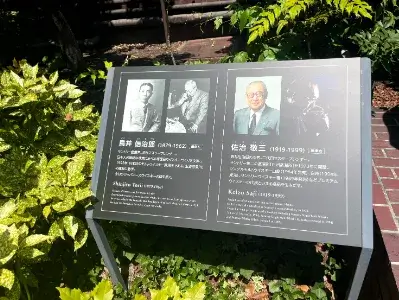
Japanese whisky production began with the collaboration of Masataka Taketsuru and Shinjiro Torii, involving trial and error to adapt Scottish techniques to Japan’s climate.
Discovery of Mizunara Casks:
In the postwar period when quality imported casks were difficult to obtain, the use of domestic Mizunara oak casks ironically created a unique aroma unparalleled in the world.
International Recognition:
Since the 2000s, winning numerous awards at international whisky competitions marked a turning point where Japanese whisky gained global recognition.

Caede’s Historical Perspective:
“The history of Yamazaki Distillery represents the process of Japan not merely imitating Western technology but reconstructing it through its own climate and sensibility. This spirit of ‘Japanese evolution’ can be seen not only in whisky production but in various Japanese industrial innovations. For example, it shares common ground with the technological innovations of Arita porcelain or the manufacturing techniques of Japanese swords.”
Museum and Gift Shop
Yamazaki Whisky Museum:
Features historical materials from the founding era, displays of precious vintage bottles, and interactive educational exhibits—a space to systematically learn about Japanese whisky history.
Gift Shop:
Offers distillery-exclusive bottles, original goods, whisky-related books, and more. Distillery-exclusive items are particularly coveted by collectors.
Tasting Lounge:
A relaxation space after the tour. For an additional fee, you can sample precious vintage whiskies (reservation required).
Seasonal Highlights
Spring: Nature around the distillery sprouts new life, making tours refreshing amidst fresh greenery
Summer: Season to experience how humid environments affect whisky aging
Autumn: The distillery surrounded by autumn leaves offers particularly picturesque scenery
Winter: Season with the greatest temperature difference between aging warehouses and outside air, allowing physical understanding of aging mechanisms
Caede’s Seasonal Recommendation:
“Autumn visits are especially recommended. The contrast between the autumn leaves and brick buildings is beautiful, perfect for photography. After the tour, consider exploring ancient temples in Oyamazaki Town or visiting sake breweries in Kyoto’s Otokuni region. Located exactly between Osaka and Kyoto, Yamazaki offers an excellent location to experience both cultures in one day.”

Nearby Related Spots
Suntory Yamazaki Distillery Yamazaki Gallery:
Adjacent facility broadly introducing whisky culture
Oyamazaki Villa Museum of Art:
Art museum focusing on Impressionist paintings, also featuring beautiful natural gardens
Rikyu-en Park:
Park where Yamazaki water springs forth, perfect for leisurely strolls
Access Information
By Train:
- About 10 minutes walk from JR Kyoto Line “Yamazaki Station” or Hankyu “Oyamazaki Station”
- Excellent access: about 20 minutes from Osaka Station, about 15 minutes from Kyoto Station
By Car:
- About 5 minutes from Meishin Expressway “Oyamazaki IC”
- Parking is reservation-only, confirmation required when booking tours
Tour Preparation
Attire:
The distillery has many stairs, so comfortable walking shoes are essential. Summers can be humid and hot, while winters have significant temperature differences with aging warehouses, so layered clothing is recommended.
Language Support:
Audio guides and pamphlets available in English, Chinese, and Korean. Informing them of your preferred language in advance ensures smoother service.
Special Experience Programs
Whisky Making Workshops:
Programs for deeper understanding of whisky making, including blending experiences (reservation required)
Vintage Tasting Events:
Precious tasting events held on special occasions
Photo Tours:
Tours where you can receive professional photography advice while touring permitted areas
The Present and Future of Japanese Whisky
Yamazaki Distillery is not merely a whisky production facility but a cultural symbol embodying Japan’s manufacturing spirit. With the recent Japanese whisky boom, more people are beginning to understand its value.
Sustainable Manufacturing Initiatives:
- Protection and efficient use of water resources
- Improvement of energy efficiency
- Coexistence with local communities
Education and Cultural Inheritance:
- Training next-generation artisans
- Whisky culture dissemination activities
- International cultural exchange
Caede’s Comprehensive Perspective:
“Visiting Yamazaki Distillery is more than a factory tour—it’s a journey to physically experience Japan’s modernization and cultural formation process. The whisky produced here is an artistic creation blending Japanese water, climate, artisan skills, and the ‘spirit of Wa.’ When visiting, consider not just the surface manufacturing process but also contemplate the philosophy and history behind it. Similar to pilgrimages to Shinto shrines and Buddhist temples for understanding Japanese spirituality, this experience can provide profound insights.”
Final Advice for Visitors
While Yamazaki Distillery is a sacred site for whisky enthusiasts worldwide, even those unfamiliar with whisky can thoroughly enjoy this educational facility. It’s a destination recommended for anyone interested in Japanese manufacturing, artisan skills, and production processes harmonized with nature.
With thorough advance planning and reservations, and visiting with ample time, you can gain maximum learning and inspiration from this special place.