
Welcome to Tsukiji—the legendary heart of Tokyo’s culinary world, where centuries of tradition meet the vibrant energy of modern Japanese food culture. While the famous wholesale fish market has moved to Toyosu, the Tsukiji Outer Market (Tsukiji Jogai Shijo) continues to thrive as one of Tokyo’s most authentic and exciting food destinations, offering visitors an unparalleled opportunity to experience Japan’s deep food culture in its most dynamic form.
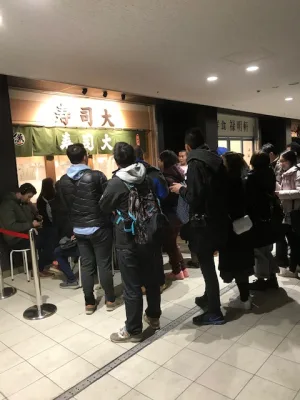
The Legacy of a Culinary Institution
Tsukiji’s history as a marketplace dates back to the Edo period (1603-1867), but its modern identity was forged in 1935 when it became Tokyo’s central wholesale market. For over 80 years, the inner market operated as the world’s largest fish market, handling over 2,000 tons of marine products daily. While the wholesale operations relocated to Toyosu in 2018, Tsukiji’s soul remains vibrantly alive in its Outer Market—a labyrinth of approximately 400 shops and restaurants that continue to serve both professionals and food-loving visitors with uncompromising quality and tradition.
Caede’s Historical Perspective:
“Walking through Tsukiji today, you’re experiencing layers of Tokyo’s culinary history. The market’s rhythm—early morning freshness, midday bustle, afternoon reflection—still follows traditions established generations ago. What’s remarkable is how seamlessly Tsukiji has evolved while maintaining its essential character. For those interested in seeing the modern wholesale operations, I recommend visiting Toyosu Market, but understand that Tsukiji offers something different: the living, breathing retail and dining culture that grew around the wholesale heart.”

The Tsukiji Outer Market Experience
Today’s Tsukiji is a culinary wonderland stretching across narrow lanes where every sense comes alive. The air carries competing aromas of grilling seafood, simmering broths, and fresh produce. The visual spectacle includes perfectly arranged seafood displays, colorful kitchenware shops, and chefs working with focused precision. The sounds of sizzling pans, vendor calls, and satisfied customers create a symphony of market life that feels both timeless and immediately present.
Must-Experience Categories:
Fresh Seafood Stalls:
- Sashimi and sushi-grade fish cuts
- Live shellfish and seasonal specialties
- Prepared seafood snacks for immediate enjoyment
Specialty Food Shops:
- Japanese kitchen knives and cutlery
- Traditional tableware and cooking utensils
- Dry goods, teas, and specialty ingredients
Restaurants and Food Stalls:
- Sushi restaurants with market-fresh ingredients
- Tamagoyaki (Japanese omelet) specialists
- Seafood donburi (rice bowls) and grilled items
Caede’s Market Strategy:
*”Arrive hungry and curious! Start with a morning visit (around 9 AM) when the market is lively but not overwhelmingly crowded. Begin with a light breakfast—perhaps some fresh oysters or tamagoyaki—then explore the shops before lines form at popular restaurants. Save your main meal for late morning when you’ve worked up an appetite. Don’t just follow the main lanes; the smaller side alleys often hide the most authentic gems. For comparison with other Tokyo food markets, consider visiting the less-touristy Ameyoko Market in Ueno.”*

Frequently Asked Questions
Q: Is Tsukiji Market still worth visiting after the wholesale market moved?
A: Absolutely! The Outer Market remains one of Tokyo’s best food destinations. While you won’t see the famous tuna auctions, you’ll experience the retail and dining culture that made Tsukiji legendary, often with shorter lines and more space to explore than in previous years.
Q: What time should I visit Tsukiji?
A: The market starts around 6 AM, but for most visitors, 8-10 AM offers the best balance of activity and accessibility. Many restaurants open by 7 AM, and some specialty shops operate until early afternoon.
Q: Are there vegetarian options available?
A: While seafood-focused, Tsukiji offers vegetarian-friendly options including tamagoyaki (egg omelets), pickled vegetables, rice balls, and some tempura. Be aware that many broths and sauces may contain fish stock (dashi).
Q: How do I navigate the crowded lanes?
A: Move with the flow, be patient, and watch for delivery carts. The main lanes get crowded between 10 AM and noon. For a more relaxed experience, visit on weekdays rather than weekends.
Q: Can I take food back to my hotel?
A: Many shops sell packaged items suitable for travel, including dried seafood, teas, and seasonings. For fresh seafood, ask about ice packs or consider purchasing closer to your departure time.
Iconic Tsukiji Experiences
Sushi Breakfast Tradition
Starting your day with sushi at Tsukiji remains a beloved ritual. The market’s sushi restaurants source directly from nearby suppliers, ensuring exceptional freshness.
Tamagoyaki Alley
Discover multiple shops specializing in Japanese rolled omelets—each with their own secret recipe and cooking technique passed down through generations.
Knife Shopping
Tsukiji’s knife shops offer everything from affordable professional-grade knives to hand-forged masterpieces, with knowledgeable staff who can explain proper care and use.
Seasonal Specialties
Depending on the season, you might find fresh uni (sea urchin) in spring, fatty salmon in autumn, or special holiday preparations in winter.

Caede’s Culinary Recommendation:
“Don’t limit yourself to sushi! Some of Tsukiji’s most memorable experiences come from trying lesser-known specialties: the incredibly rich ankimo (monkfish liver), perfectly grilled scallops with butter, or a simple but exquisite bowl of kaisen don (seafood rice bowl). For premium tuna experiences, some shops offer tasting comparisons of different tuna cuts—a fascinating education in sushi appreciation. After Tsukiji, consider exploring Tokyo’s other culinary neighborhoods like Shinjuku’s Omoide Yokocho for completely different atmosphere and flavors.”
Practical Visitor Information
📍 Access:
- Tsukiji Station (Tokyo Metro Hibiya Line) – Closest to market center
- Tsukijishijo Station (Toei Oedo Line) – 2 minute walk to market
- Shimbashi Station (JR Lines) – 15 minute walk through interesting neighborhoods
⏰ Market Hours:
- Most shops: 6:00 AM – 2:00 PM (varies by store)
- Restaurants: Typically 7:00 AM – 3:00 PM
- Best visiting time: Weekday mornings 8:00 AM – 11:00 AM
- Closed: Most shops close on Sundays and some close Wednesdays
💡 Essential Tips:
- Bring cash—many smaller vendors don’t accept credit cards
- Wear comfortable, closed-toe shoes (market floors can be wet)
- Carry tissues or a handkerchief as napkins aren’t always provided
- Be respectful when taking photos—ask permission at smaller shops
- Learn basic Japanese phrases for ordering: “kore kudasai” (this please), “arigatou gozaimasu” (thank you)
Cultural Significance and Etiquette
Tsukiji represents more than just commerce—it embodies Japanese values of craftsmanship, seasonality, and respect for ingredients. When visiting:
Respect the Working Environment:
- Stay aware of delivery carts and working professionals
- Don’t block narrow passages while photographing or browsing
- Follow designated walking paths and directions
Appreciate the Craft:
- Observe how vendors handle and present their products
- Notice the precision in knife work and food preparation
- Appreciate the seasonal awareness in product selection
Participate Respectfully:
- Queue properly at popular stalls and restaurants
- Dispose of waste in designated areas
- Enjoy food promptly after purchase, especially perishable items

Caede’s Cultural Insight:
“What makes Tsukiji special is witnessing shokunin spirit—the artisan’s dedication to their craft. Whether it’s a knife sharpener perfecting an edge, a fishmonger selecting the exact cut for a customer, or a tamagoyaki chef executing the same roll hundreds of times daily with consistent excellence, this commitment to mastery is what truly defines Japanese food culture. For deeper understanding of Japanese culinary traditions, consider joining one of our Japanese cooking classes or food tours.”
Seasonal Highlights
Spring (March-May):
- Cherry blossom season brings special limited-edition products
- Fresh bamboo shoots and spring vegetables appear
- Increasing variety of shellfish as waters warm
Summer (June-August):
- Brightly colored summer fruits and vegetables
- Cooling dishes like hiyayakko (chilled tofu)
- Festivals and special events in the market area
Autumn (September-November):
- Mushroom varieties and autumn seafood specialties
- Seasonal fish like sanma (Pacific saury)
- Preparation for year-end holiday cooking
Winter (December-February):
- Osechi ryori (New Year’s food) ingredients and preparations
- Warming dishes and hot sake offerings
- Citrus fruits and root vegetables peak
Shopping Guide: What to Bring Home
Perishable Souvenirs:
- Vacuum-packed smoked or dried fish
- Special grades of nori (seaweed)
- Tsukuji pickles and preserves
Non-Perishable Items:
- Japanese kitchen knives (ensure checked luggage for flights)
- Traditional tableware and serving pieces
- Specialty cooking ingredients and seasonings
- Market-themed souvenirs and kitchen textiles
Caede’s Souvenir Recommendations:
“For truly unique Tsukiji souvenirs, consider a professional-grade vegetable peeler (they’re remarkably better than standard ones), high-quality dried bonito flakes for making dashi, or beautifully crafted chopsticks. Many shops will pack knives for safe travel. Remember that some food items may have import restrictions—check your home country’s regulations before purchasing fresh or preserved seafood products.”

Beyond the Market: Exploring Tsukiji Area
Tsukiji Honganji Temple
This unique Buddhist temple with Indian architectural influences offers peaceful contrast to the market’s energy.
Hamarikyu Gardens
Traditional Japanese gardens with tidal ponds, located just across the river—perfect for post-market relaxation.
Ginza District
Luxury shopping and dining area within walking distance, offering completely different but complementary Tokyo experience.
Tsukiji Fish Market Heritage
Several locations preserving the history and artifacts of the original wholesale market.
Caede’s Perfect Tsukiji Day:
“Start with an early market visit for breakfast and exploration, then walk to Hamarikyu Gardens for peaceful tea at the waterside teahouse. From there, take the water bus to Asakusa for afternoon temple visits, or walk to Ginza for shopping and dinner. This combination captures both traditional and contemporary Tokyo in one seamless experience.”
Sustainability and Future Evolution
Tsukiji continues to adapt while maintaining its essential character:
Environmental Awareness:
- Increasing use of sustainable seafood sources
- Reduction of plastic waste in packaging
- Emphasis on seasonal and local products
Cultural Preservation:
- Support for traditional food crafts and techniques
- Educational initiatives about Japanese food culture
- Balance between tourist accessibility and local utility
Community Integration:
- Continued service to professional chefs and local residents
- Events connecting market vendors with food enthusiasts
- Maintenance of Tsukiji’s unique neighborhood character
Caede’s Final Reflection:
“Tsukiji Market represents something increasingly precious in our globalized world—a living, evolving cultural institution that maintains deep roots while embracing necessary change. It’s a place where you can taste history in a piece of perfect sushi, witness generations of craftsmanship in a knife maker’s shop, and feel the rhythm of a city through its daily food rituals. More than just a destination, Tsukiji offers a genuine connection to Tokyo’s culinary soul—a reminder that great food cultures are built not just on excellent ingredients, but on the human relationships, traditions, and daily practices that transform those ingredients into shared experiences. Whether you’re a serious food enthusiast or simply curious about Japanese culture, Tsukiji welcomes you to taste, explore, and participate in one of Tokyo’s most authentic and delicious traditions.”
Your Japan Tour
As seasoned Japan experts, we create perfect Japan package tours including destinations like food markets in Japan. Check out our group tours and private tours, or contact us to start planning your unforgettable holiday to this fascinating country full of once-in-a-lifetime experiences, culture, history, nature, and delicious food!