
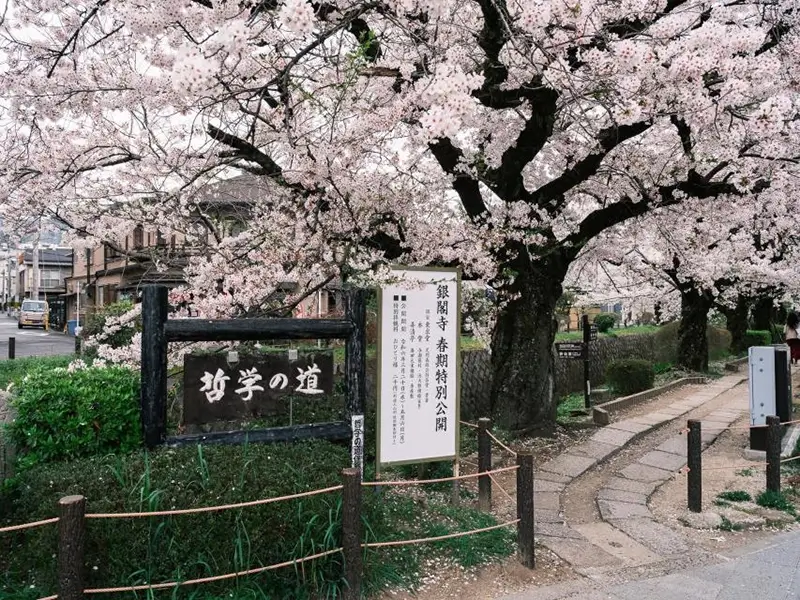
What Is the Philosopher’s Path?
The Philosopher’s Path (Tetsugaku no Michi) is a scenic 2-kilometer walkway that runs alongside a cherry tree-lined canal in Kyoto’s Higashiyama district. Named after the famous Kyoto University philosopher Nishida Kitaro, who used the path for daily meditation walks, it offers a calm and contemplative escape from the city bustle.
This path connects the iconic Ginkaku-ji (Silver Pavilion) in the north to Nanzen-ji Temple in the south, passing smaller temples, shrines, and charming residential areas along the way. In spring, the cherry blossoms form a stunning tunnel of pink, drawing visitors from around the world.
History of the Path
The canal that borders the Philosopher’s Path was originally part of a waterway built in the Meiji period to help bring water from Lake Biwa to Kyoto. Over time, the path beside it became popular for daily walks.
In the 20th century, the trail was named after Nishida Kitaro, who helped shape modern Japanese philosophy. Locals and visitors alike began to cherish the area’s serene charm, and the route was gradually preserved as a public walking path.
Today, the Philosopher’s Path stands as a blend of natural beauty, intellectual history, and spiritual presence.
Highlights & Nearby Spots
Ginkaku-ji (銀閣寺 / Silver Pavilion)
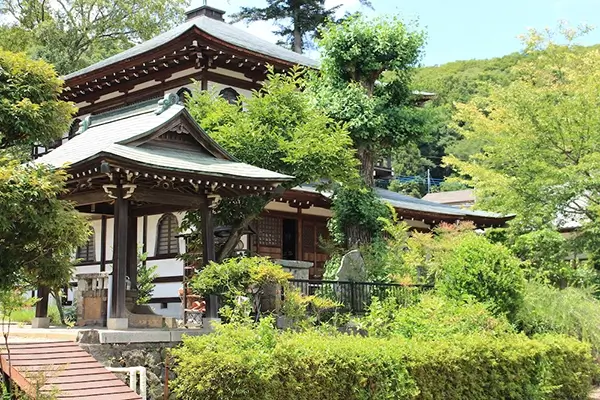
Ginkaku-ji, also known as the Silver Pavilion, is one of Kyoto’s most iconic Zen temples. It was originally built in 1482 as the mountain villa of shogun Ashikaga Yoshimasa, who intended to coat the building in silver foil—though the project was never completed. Despite its name, the pavilion remains unadorned, and its subtle aesthetic came to symbolize the wabi-sabi (refined simplicity) ideals of Japanese culture. The temple complex includes a beautifully manicured kare-sansui (dry landscape garden), a moss garden with winding paths, and scenic views of Kyoto from the hillside.
Honen-in (法然院)
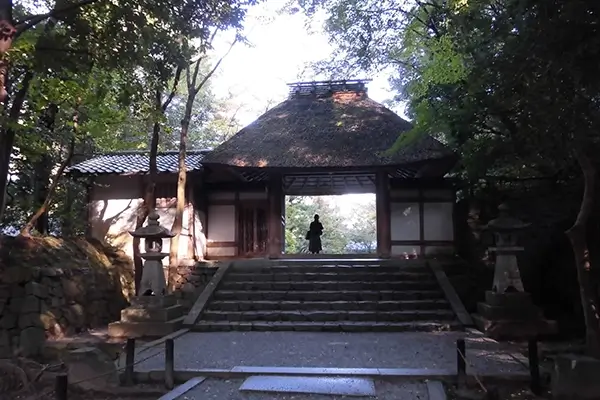
Honen-in is a small, serene temple tucked away just off the Philosopher’s Path. Its thatched-roof gate, flanked by mossy stone walls and shaded by tall trees, offers a peaceful entrance to one of Kyoto’s hidden gems. Inside, you’ll find sand patterns (known as byakusadan) that are raked into symbolic shapes and refreshed regularly. The tranquil grounds also feature seasonal flowers and a moss garden that reflect the changing moods of nature.
Anraku-ji (安楽寺)
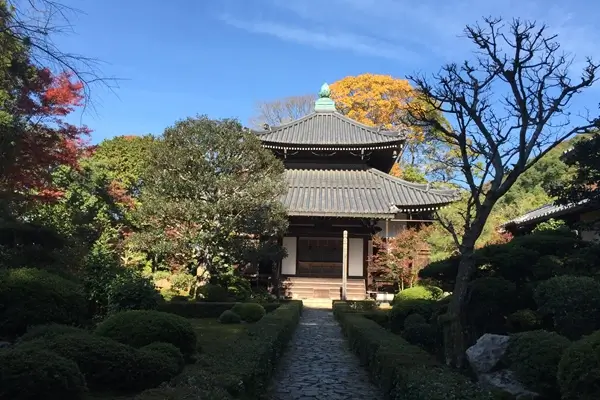
Anraku-ji is a historic temple with strong ties to the Jodo Buddhist sect, originally founded in the 13th century. Its wooden buildings sit on a hillside surrounded by cherry trees and maples, making it especially beautiful in spring and autumn. While it’s usually closed to the public, Anraku-ji opens its gates during special events, like seasonal flower viewings or cultural exhibitions.
Kyoto Modern Terrace & Shops near Nanzen-ji
Near the southern end of the path, modern cafés and artisan shops await—like Kyoto Modern Terrace (inside the Kyoto International Community House). A great spot for a break with scenic terrace views and local craft goods.
Best Time to Visit
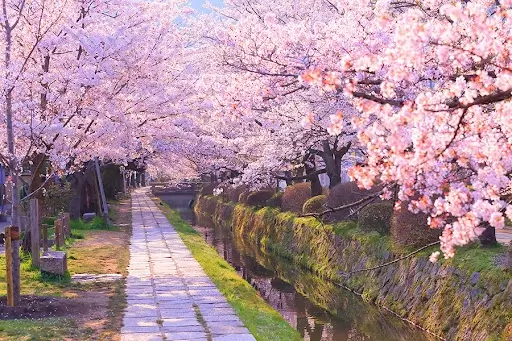
The best time to walk the Philosopher’s Path is early April, when the cherry blossoms are in full bloom. It’s the most iconic season, with petals floating in the canal and soft pinks lining the trail—though it’s also the most crowded.
Other seasonal highlights:
- Summer: Lush green trees and a quieter atmosphere, great for a shaded stroll.
- Autumn (mid–late November): Gorgeous red and orange foliage with fewer crowds than spring.
- Winter: Peaceful and quiet, especially on snowy mornings—but less scenic.
How to Get There
• Start at Ginkaku-ji:
From Kyoto Station, take bus #5 or #17 to Ginkakuji-michi (35–40 min), then walk 5 minutes.
• Start at Nanzen-ji / Eikan-dō area:
From Kyoto Station, take the subway to Keage Station (Tozai Line), then walk 10 minutes.
Tip: Start early in the morning or visit on a weekday for a more peaceful experience.
Quick Q&A – Philosopher’s Path
What is the Philosopher’s Way?
It’s a scenic 2 km walking path in Kyoto’s Higashiyama district, lined with cherry trees and temples. Named after philosopher Nishida Kitaro, it’s known for its peaceful atmosphere and seasonal beauty.
How long does it take to walk the Philosopher’s Path?
About 30 to 45 minutes without stops. With visits to temples and cafés, plan for 1.5 to 2 hours.
Is the Philosopher’s Path worth visiting?
Yes—especially during cherry blossom season in April or autumn foliage in November. It’s one of Kyoto’s most tranquil and photogenic walks.
Can you walk the Philosopher’s Path at night?
Technically yes, but the path is not well-lit. It’s best enjoyed during the day when you can appreciate the scenery and explore nearby temples.
When is the best time to visit the Philosopher’s Path?
Early April for cherry blossoms, or mid-to-late November for autumn colors. Weekday mornings are less crowded.
Visitor Info
📍 Location: Higashiyama District, Kyoto
🕒 Suggested Visit Duration: 1–2 hours
👟 Recommended: Comfortable walking shoes, seasonal attire
🌸 Best Time to Visit: Early April (cherry blossoms) or mid-November (fall colors)
Last updated: December 2025