
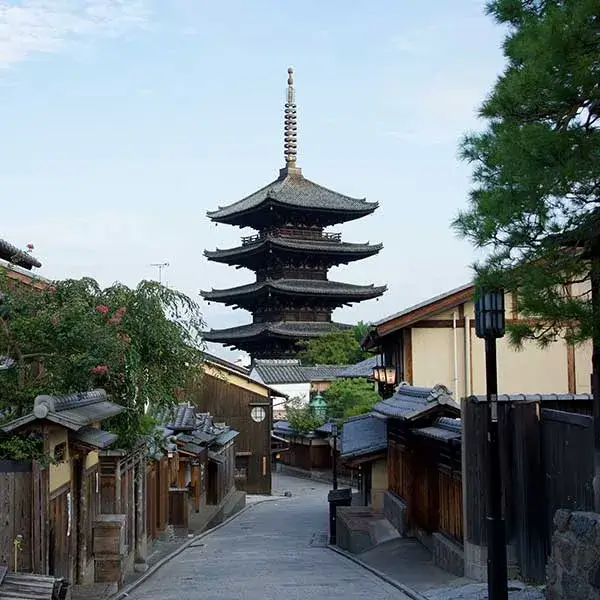
What are Ninenzaka and Sannenzaka?
Ninenzaka (二年坂) and Sannenzaka (三年坂) are two of Kyoto’s most charming stone-paved slopes, located just south of Kiyomizu-dera Temple in the historic Higashiyama district. These pedestrian-only lanes gently wind downhill through traditional wooden buildings, teahouses, souvenir shops, and restaurants—offering a glimpse of Kyoto’s old-town atmosphere.
Though they are often mentioned together, they are technically two separate slopes:
• Sannenzaka (“Three-Year Slope”) comes first when approaching from Kiyomizu-dera.
• Ninenzaka (“Two-Year Slope”) follows shortly after.
Despite their short distance—only about 150–200 meters each—they’re packed with cultural character and have become popular not only for sightseeing but also for photography, kimono strolls, and local treats. The names may sound mysterious, but they likely refer to historical dates (years of construction or commemoration), not age-related meanings.
History & Legends
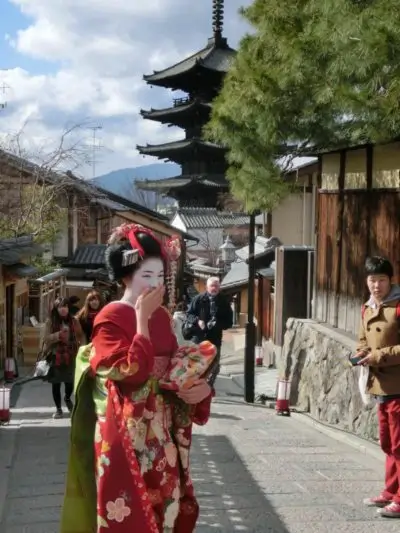
Ninenzaka and Sannenzaka date back to the Heian period (794–1185), when they were part of the pilgrimage route leading to Kiyomizu-dera Temple. For centuries, these gently sloping paths served as spiritual walkways for worshippers visiting the temple to pray to Kannon, the goddess of mercy.
During the Edo period, the area developed into a bustling merchant and lodging district for travelers. Traditional wooden machiya (townhouses) began lining the slopes, many of which still stand today—preserved through careful renovation and city regulations aimed at maintaining Kyoto’s cultural landscape.
The Legend of the Slopes
One of the most well-known local superstitions says:
“If you fall on Sannenzaka, you’ll die within three years. On Ninenzaka, you’ll die within two.”
While clearly not meant to be taken literally, this old tale has been passed down for generations. It likely originated as a cautionary reminder to tread carefully on the often slippery stone paths—especially when it rains or snows.
Today, the area’s retro atmosphere, preserved architecture, and lighthearted legends combine to make Ninenzaka and Sannenzaka beloved stops on many Kyoto walking tours.
Best Things to See & Do in Ninenzaka & Sannenzaka
Yasaka Pagoda (Hōkan-ji Temple)
One of the most iconic views in Kyoto, this five-story pagoda towers above the surrounding rooftops. It’s often photographed with Ninenzaka in the foreground, especially at sunset or early morning when crowds are thin.
Teahouses & Sweet Shops
From matcha parfaits to warabi mochi, these streets are dotted with charming cafés and sweet shops. Some historic teahouses have been in operation for over a century.
Try: Yatsuhashi (a Kyoto cinnamon rice cracker), or fresh nama-yatsuhashi with red bean paste.
Traditional Souvenir Stores
Find everything from handmade fans and yukata to wooden chopsticks and artisanal ceramics. Many shops let you personalize your items—a great chance to take home something meaningful.
Ninenzaka Starbucks
Yes, even the Starbucks here is special. It’s housed in a preserved machiya, with tatami seating and traditional aesthetics. It blends into the scenery so well, you might walk past without noticing!
How to Get There
Ninenzaka and Sannenzaka are located in the Higashiyama district of Kyoto, close to major attractions like Kiyomizu-dera and Gion. They’re best explored on foot as part of a half-day walking route.
By Train & Bus
• From Kyoto Station:
Take bus #100 or #206 and get off at Gojo-zaka or Kiyomizu-michi bus stop. From there, it’s a 10-minute walk uphill.
• From Gion/Shijo area:
Walk southeast for about 15–20 minutes through scenic Higashiyama streets.
Recommended Walking Route
Start from Yasaka Shrine or Gion and make your way through Nene-no-Michi, then descend Sannenzaka → Ninenzaka → finish at Kiyomizu-dera. This route flows naturally downhill and is easier than climbing up.
Q&A – Ninenzaka & Sannenzaka Travel Tips
What is Ninenzaka famous for?
Ninenzaka is known for its beautifully preserved stone-paved slope lined with traditional wooden buildings, tea shops, and souvenir stores. It offers a nostalgic, old Kyoto atmosphere and is a popular photo spot—especially when dressed in a kimono.
What is the myth of Ninenzaka?
A local superstition says that if you trip on Ninenzaka, you’ll die within two years. While it’s just a myth, the name “Ninen” means “two years,” adding an eerie twist to the legend.
What is the myth of Sannenzaka?
Similar to Ninenzaka, Sannenzaka has its own superstition—if you fall here, you’ll die within three years. “Sannen” translates to “three years.” These myths add cultural flavor to the streets but don’t let them scare you!
Are Ninenzaka and Sannenzaka the same?
No. They are two separate but connected stone-paved slopes near Kiyomizu-dera. Ninenzaka is slightly lower and flatter, while Sannenzaka is steeper and leads uphill toward the temple.
Is it worth visiting Ninenzaka and Sannenzaka?
Absolutely. These streets offer one of the most authentic walking experiences in Kyoto. Whether you’re shopping, sipping matcha, or just enjoying the traditional scenery, they’re must-visits—especially if you’re on your way to Kiyomizu-dera.
Recommended Tours
・The Best of Japan Pop Culture Tour Package 10 Days
・8-Day Small Group Tour Golden Route Japan in Cherry Blossoms Season
・15-Day Small Group Tour Golden Route Japan through Shikoku and Kyushu in Cherry Blossoms Season
Visitor Info – Ninenzaka & Sannenzaka
Location
Ninenzaka and Sannenzaka are located in the Higashiyama district of Kyoto, just below Kiyomizu-dera Temple. The area is easily walkable from other famous spots like Gion and Maruyama Park.
Opening Hours
These are public streets and are accessible 24/7. However, most shops and tea houses are open from 10:00 AM to 5:00 PM.
Admission
Free to enter. Some nearby attractions (like Kiyomizu-dera or specialty museums) may charge admission.
Language Support
• Many shops offer English menus or signs
• Kimono rental shops often have multilingual staff
Facilities
• Public restrooms are available near Kiyomizu-dera
• Coin lockers and benches at nearby tourist information centers
Last updated: December 2025