
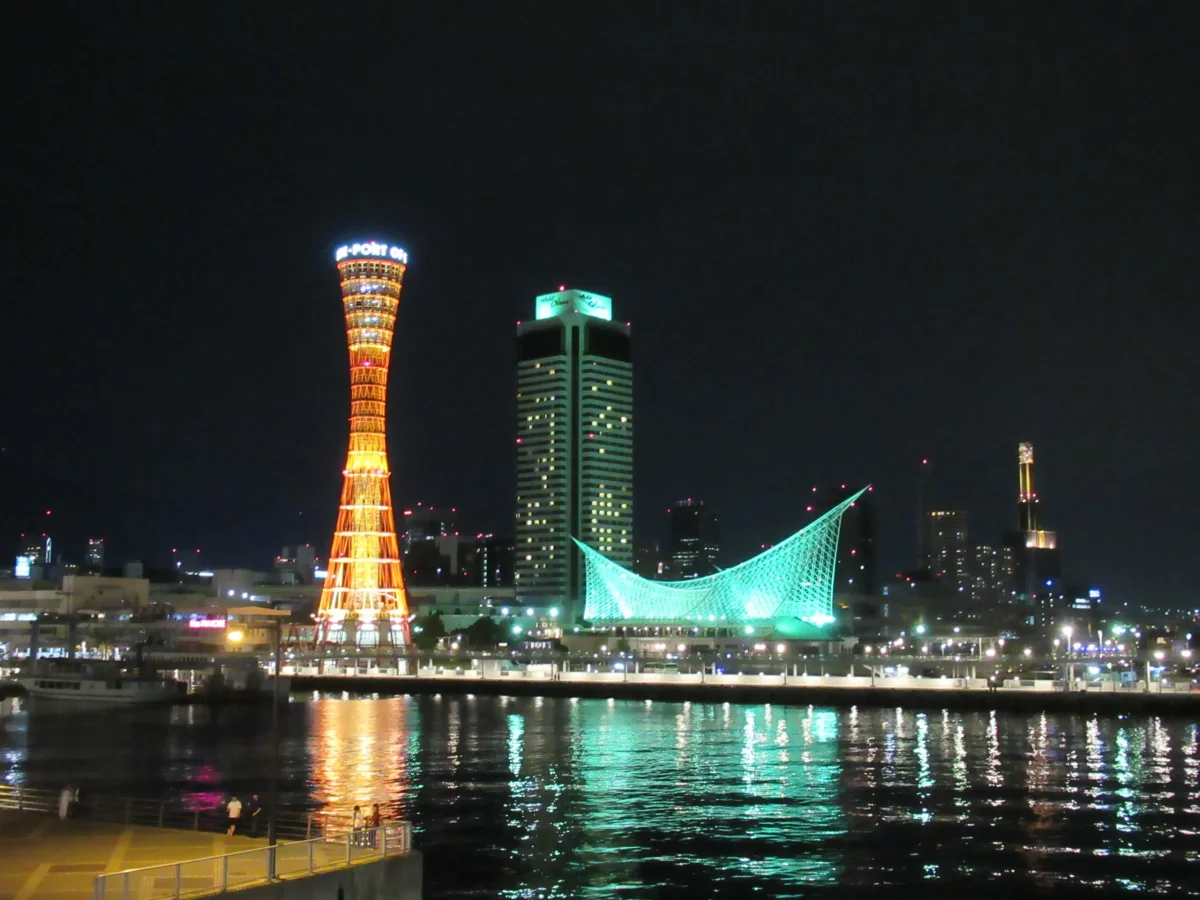
Perched between the majestic Rokko Mountains and the serene waters of Osaka Bay, Kobe presents a captivating blend of cosmopolitan sophistication and natural beauty that has enchanted visitors for centuries. As one of Japan’s first international ports opened to foreign trade in 1868, this dynamic city masterfully harmonizes Western influences with Japanese tradition, creating a uniquely sophisticated atmosphere unlike any other Japanese destination. From world-renowned beef to breathtaking night views, Kobe offers a multi-layered experience that appeals to all senses.
A City Forged from International Exchange
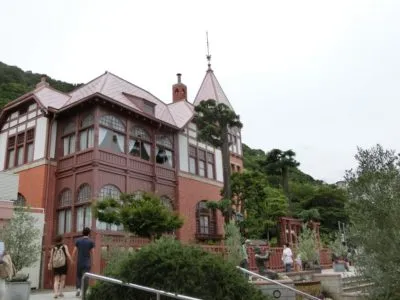
Kobe’s distinctive character was shaped by its historical role as Japan’s gateway to the world. The 1868 opening of the Port of Kobe initiated a cultural fusion that continues to define the city today. The Kitano area, with its preserved Western-style residences (Ijinkan), stands as a living museum of this cross-cultural exchange, while Nankinmachi (Kobe Chinatown) represents Asia’s influence. This international DNA makes Kobe feel simultaneously Japanese and global—a city that has absorbed outside influences while maintaining its essential Japanese spirit.

Caede’s Historical Insight:
“What makes Kobe truly special is its resilience and adaptability. The city has rebuilt itself twice—first after the Great Kanto Earthquake of 1923, then more dramatically after the 1995 Great Hanshin Earthquake. Each reconstruction brought innovation while preserving heritage. This spirit of renewal is visible everywhere, from the modern architecture of the harbor district to the carefully restored foreign residences in Kitano. For more Japanese cities with unique international influences, consider visiting Yokohama’s Minato Mirai district or Nagasaki’s historic foreign settlements.”
The Kobe Beef Experience: Culinary Perfection
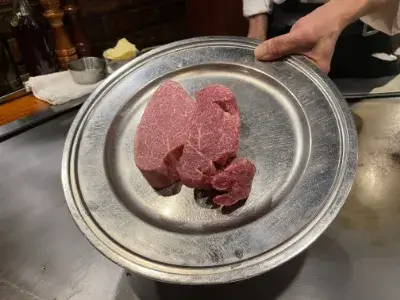
No discussion of Kobe is complete without its world-famous beef. True Kobe beef comes from Tajima-gyu cattle raised under strict standards in Hyogo Prefecture, characterized by intense marbling (shimofuri) that creates unparalleled tenderness and rich umami flavor.
Authentic Kobe Beef Dining:
- Teppanyaki: Watch master chefs prepare beef on iron griddles
- Shabu-shabu: Thinly sliced beef cooked in broth
- Steak houses: Western-style preparation highlighting natural flavors
- Kobe beef sushi: Innovative presentations showcasing versatility

Caede’s Culinary Advice:
“For an authentic Kobe beef experience, visit restaurants certified by the Kobe Beef Marketing & Distribution Promotion Association. Lunch courses often offer better value than dinner. Pair your meal with local sake from the Nada district, one of Japan’s premier sake-producing regions. The tannins in red wine can overpower the delicate fat, so consider premium Japanese beer or robust sake instead. For more Japanese gourmet experiences, explore Osaka’s street food culture or Kyoto’s kaiseki tradition.”
Frequently Asked Questions
Q: What makes Kobe different from nearby Osaka and Kyoto?
A: While Osaka excels in energetic urban culture and Kyoto embodies traditional Japan, Kobe offers sophisticated international atmosphere, coastal beauty, and European influences. It’s generally less crowded and more leisurely paced than its larger neighbors.
Q: Is Kobe worth visiting as a day trip from Osaka or Kyoto?
A: Absolutely. It’s only 20-30 minutes by train from Osaka and 50 minutes from Kyoto. However, to fully appreciate Kobe’s night views, harbor atmosphere, and onsen culture, consider an overnight stay.
Q: What’s the best way to experience Kobe’s international heritage?
A: Start at Kitano’s Ijinkan (foreign residences), then walk to Nankinmachi for lunch, and finish at the harbor area. This walking route covers about 150 years of international influence.
Q: Are the night views really that spectacular?
Q: What should I buy as souvenirs from Kobe?
A: Kobe beef products (jerky, curry), European-style confections from Kitano bakeries, local sake from Nada, and Kobe leather goods are all excellent choices.
Iconic Districts and Neighborhoods
Kitano (Ijinkan District):
Preserved Western-style residences from Meiji and Taisho eras, now housing museums, cafes, and boutiques. The Weathercock House and Former Hassam’s Residence are particularly notable.
Nankinmachi (Kobe Chinatown):
One of Japan’s three major Chinatowns, offering authentic Chinese cuisine in a vibrant, compact area. Perfect for sampling diverse dishes in small portions.
Harborland:
Modern waterfront district featuring Kobe Port Tower, MOSAIC shopping complex with ferris wheel, and picturesque promenades. Beautiful especially at sunset and evening.
Sannomiya:
Downtown commercial center with excellent shopping, dining, and nightlife. The underground shopping arcades are particularly extensive and weather-proof.
Nunobiki:
Natural area featuring Japan’s longest herb garden, spectacular waterfalls, and the ropeway to Mount Rokko.
Caede’s Neighborhood Exploration:
“For a perfect Kobe day, start with breakfast in Sannomiya, visit Kitano in the morning when houses open, enjoy Kobe beef lunch, explore Harborland in the afternoon, take the cable car up Mount Rokko for sunset and night views, then return to Sannomiya for evening drinks. For more Japanese port city experiences, visit Hakodate’s historic district or Kanazawa’s samurai and geisha areas.”

Practical Visitor Information
📍 Access and Transportation:
- From Osaka: 20-30 minutes by JR or Hanshin trains
- From Kyoto: 50 minutes by JR limited express
- From Tokyo: 2.5-3 hours by Shinkansen to Shin-Kobe Station
- Within Kobe: Efficient subway, bus, and harbor cruise options
⏰ Best Times to Visit:
- Spring (March-May): Pleasant temperatures, cherry blossoms at Sorakuen Garden
- Summer (June-August): Harbor festivals, fireworks, though can be humid
- Autumn (September-November): Comfortable weather, beautiful foliage on Mount Rokko
- Winter (December-February): Spectacularly clear night views, illumination events
💡 Essential Tips:
- Wear comfortable walking shoes—Kobe is surprisingly hilly
- Purchase a one-day subway pass for efficient city exploration
- Many attractions offer combined discount tickets (like ropeway and herb garden)
- English signage is good in tourist areas, but learning basic Japanese phrases helps
Natural Wonders and Panoramic Views
Mount Rokko:
Accessible via cable car or bus, offering hiking trails, golf courses, botanical gardens, and the legendary night view. The Rokko Garden Terrace provides the classic viewing platform.
Mount Maya:
Slightly less crowded alternative to Mount Rokko with equally spectacular views, accessible via the Maya Cable Car.
Nunobiki Herb Garden:
Japan’s largest herb garden with 75,000 plants across 12 gardens, accessible via ropeway with stunning city views along the ascent.
Nunobiki Falls:
Four spectacular waterfalls within walking distance of Shin-Kobe Station, considered sacred and inspiring subjects for historical art and poetry.

Caede’s Nature Recommendation:
“Take the Nunobiki Ropeway to the herb garden—the view improves with every meter of ascent. Visit in late afternoon to see the garden, then watch the city lights emerge as dusk falls. For more Japanese garden experiences, visit Kyoto’s famous temples or Okayama’s Korakuen, one of Japan’s three great gardens.”
Cultural Experiences and Museums
Kobe City Museum:
Showcases Kobe’s international history through artifacts from Japan’s period of national isolation to modern times.
Kobe Maritime Museum:
Innovative building shaped like sailing ship hulls, exploring Kobe’s relationship with the sea.
Hyogo Prefectural Museum of Art:
Designed by Tadao Ando, featuring collections focused on Kobe and Hyogo artists alongside national treasures.
Sake Breweries in Nada District:
Several historic sake breweries offer tours and tastings, explaining why the region’s water produces superior sake.
Onsen (Hot Springs):
Arima Onsen, one of Japan’s oldest hot spring towns, is easily accessible from Kobe and offers two types of mineral waters.
Caede’s Cultural Suggestion:
“The Nada sake district tour provides fascinating insight into how local water and climate create distinct sake characteristics. Many breweries have English explanations. After sake tasting, experience traditional relaxation at Arima Onsen, where you can try both ‘kinsen’ (gold spring) and ‘ginsen’ (silver spring) waters. For more traditional Japanese experiences, consider Shikoku’s 88 Temple Pilgrimage or Nara’s ancient temples.”

Shopping and Local Products
Kobe Leather:
High-quality leather goods including bags, shoes, and accessories at competitive prices.
European Confectionery:
Kitano area bakeries offering French and German-style pastries reflecting Kobe’s international heritage.
Local Sake:
Premium sake from Nada district breweries, known for their dry, crisp characteristics.
Kobe Beef Products:
Various processed beef products perfect for souvenirs, from jerky to canned preparations.
Pearl Jewelry:
Kobe has several pearl dealers offering quality products at better prices than major tourist destinations.
Annual Events and Festivals
Kobe Festival (May): Traditional parade featuring Chinese lion dances and international performances
Kobe Jazz Street (October): Month-long jazz festival across multiple venues
Kobe Luminarie (December): Spectacular light installation commemorating earthquake recovery
Kobe Beef Festival

Caede’s Event Planning:
“If visiting in December, the Kobe Luminarie is unforgettable—millions of lights creating cathedral-like arches along the recovery memorial path. Arrive early as it gets extremely crowded. For summer visitors, the harbor fireworks in August are spectacular against the waterfront backdrop. For more Japanese festival experiences, time your visit with Kyoto’s Gion Matsuri or Tokyo’s Sanja Matsuri.”
Architectural Highlights
Kobe Port Tower:
Red steel tower offering 360-degree views from its observation deck, iconic symbol of the city.
Akashi Kaikyo Bridge:
World’s longest suspension bridge connecting Kobe to Awaji Island, with a museum explaining its engineering.
Meriken Park:
Waterfront park featuring distinctive architecture including the Kobe Maritime Museum and Hotel Okura.
Tadao Ando Architecture:
Several buildings by the famed architect, including the Hyogo Prefectural Museum of Art and Church of the Light in nearby Ibaraki.
Earthquake Memorials:
The Kobe Earthquake Memorial Museum and preserved damage sites offer sobering but important insights into the city’s resilience.
Day Trips from Kobe
Himeji:
30 minutes by train to see Himeji Castle, Japan’s most spectacular original castle.
Awaji Island:
Accessible via the Akashi Bridge, offering gardens, onions (famous product), and the Awaji Puppet Theater.
Arima Onsen:
30 minutes by train to one of Japan’s oldest hot spring resorts.
Osaka and Kyoto:
Easy access to both major cities for contrasting experiences.

Caede’s Day Trip Suggestion:
“Combine Kobe with Himeji for a perfect two-day itinerary. The contrast between Kobe’s international modernity and Himeji’s feudal grandeur showcases Japan’s incredible diversity. For more varied Kansai experiences, consider the spiritual atmosphere of Mount Koya or the historic merchant houses of Kurashiki.”
Sustainable Tourism in Kobe
Kobe has implemented various initiatives that visitors can support:
- Use public transportation within the city (highly efficient)
- Support local businesses and producers
- Participate in plastic reduction programs at harbor facilities
- Respect residential areas when exploring Kitano district
- Learn about earthquake preparedness as part of responsible tourism
Accessibility Information
- Major tourist areas have good wheelchair access
- English support at tourist information centers
- Many restaurants in tourist areas have English menus
- The Port Liner train connects the airport to major stations with good accessibility
Caede’s Final Reflection:
“Kobe represents Japan’s beautiful paradox—a city that looks outward to the world while maintaining inward Japanese grace. It’s where French bakeries coexist with Shinto shrines, where German architecture frames views of Japanese gardens, where the most Japanese of products (premium sake) is produced using methods perfected through international exchange. More than just a pleasant city to visit, Kobe offers a masterclass in cultural synthesis—how to absorb foreign influences without losing one’s essence, how to rebuild with resilience after tragedy, and how to create sophistication that feels both international and intimately local. Whether you come for the beef, the views, the history, or simply to experience Japan through a slightly different lens, Kobe welcomes you with open arms and sophisticated charm that lingers long after you’ve departed its picturesque shores.”