
What is Gion?
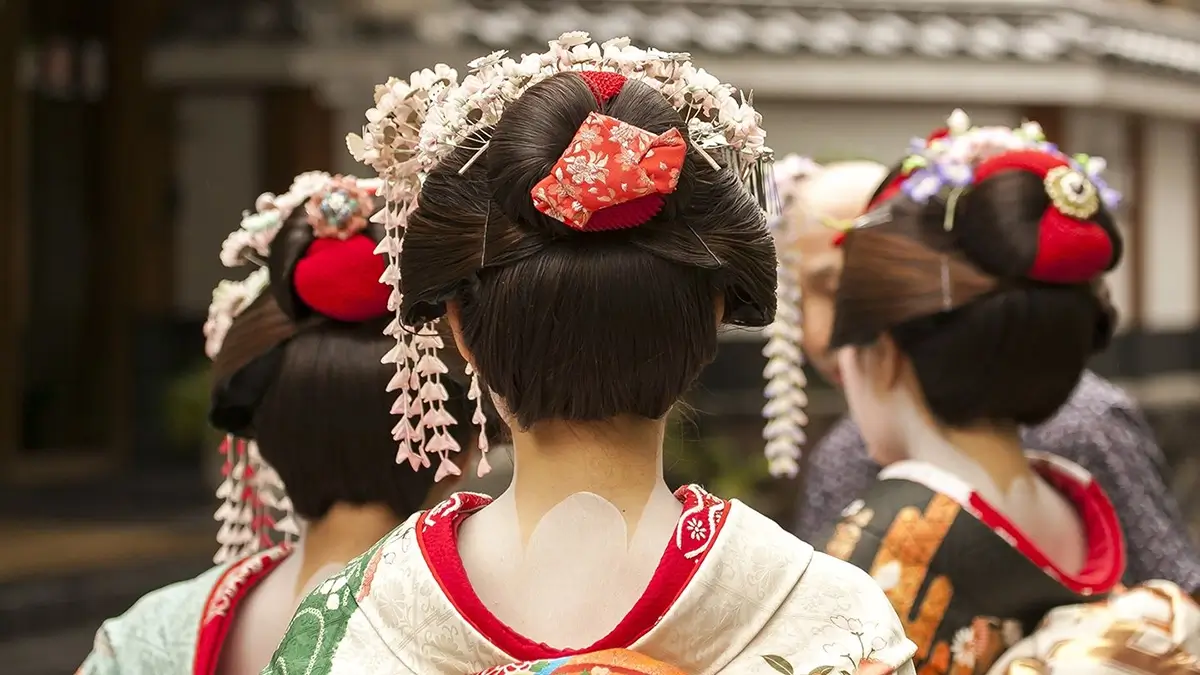
Gion is Kyoto’s most famous geisha district—a historical area where centuries-old traditions are still part of daily life. Located near Yasaka Shrine and the Higashiyama temple district, Gion blends wooden machiya townhouses, stone-paved alleys, and lantern-lit tea houses to create an atmosphere unlike anywhere else in Japan.
Originally developed as a stopover for pilgrims visiting Yasaka Shrine, the area gradually transformed into a cultural center for refined entertainment. Today, Gion is still home to working geisha—called geiko in Kyoto—and their apprentices known as maiko, making it one of the few places in Japan where traditional geisha culture survives in its original form.
Strolling through Gion, especially in the early evening, you might spot a maiko on her way to an engagement. But beyond the romantic image of geisha, Gion also represents Kyoto’s dedication to preserving traditional arts, architecture, and hospitality.
Geisha & Maiko Culture in Gion
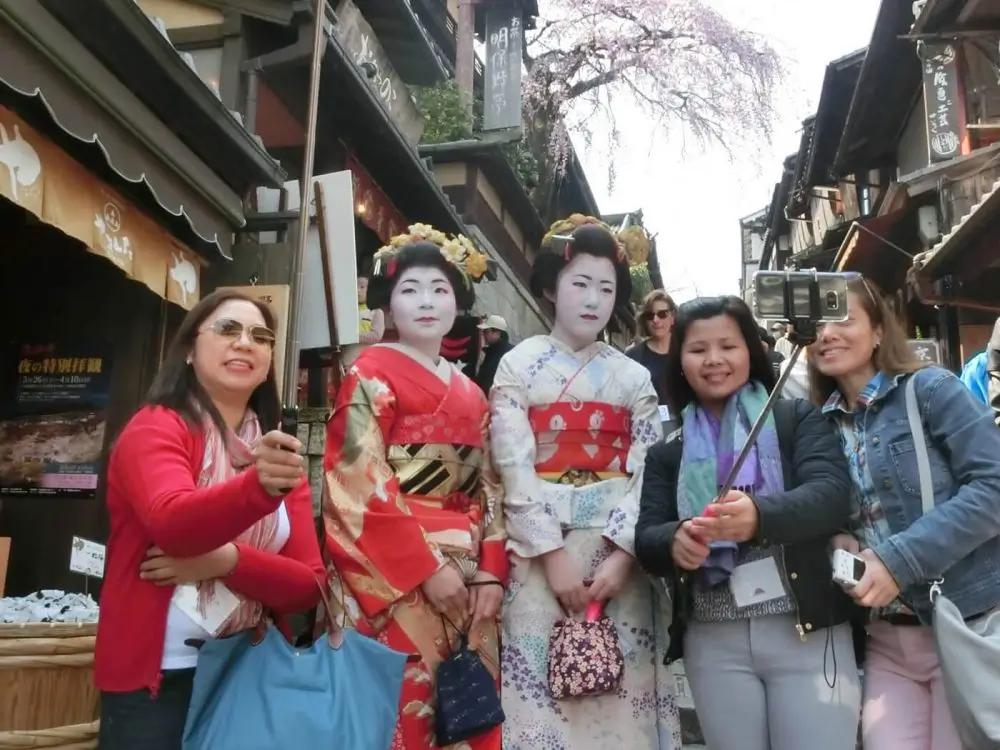
In Gion, geisha are called geiko, meaning “woman of the arts,” and apprentices are known as maiko. These women dedicate years to mastering traditional Japanese arts such as dance, music (especially shamisen), calligraphy, and the refined skills of hospitality. Gion is one of the few places in Japan where you can still encounter these living cultural icons. While private performances at tea houses (ochaya) are usually reserved for regular patrons or arranged through local connections, there are also public venues where visitors can experience this world.
One such place is Gion Corner, where short cultural shows are performed by real geiko and maiko. The program includes traditional dance, tea ceremony, ikebana (flower arrangement), and bunraku puppet theater—all in one sitting.
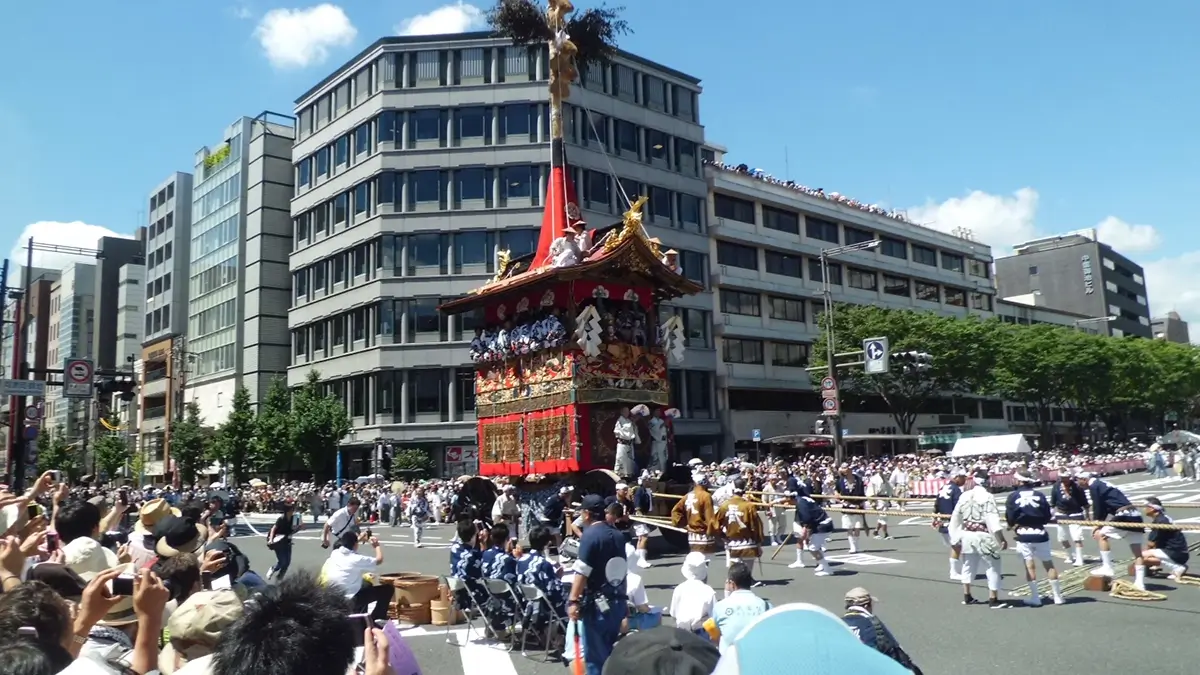
You may also catch a glimpse of geiko or maiko walking through the streets of Gion on their way to evening engagements. If you’re lucky enough to see one, please respect their privacy—avoid blocking their path or taking intrusive photos. Throughout the year, Gion also celebrates its heritage with events like the Gion Matsuri, one of Japan’s most famous festivals held every July. During this time, the entire district comes alive with parades, floats, and traditional performances.
Experiencing Gion Today
Gion isn’t just a preserved historical district—it’s a living cultural space. Walking through its narrow lanes like Hanamikoji Street, you’ll pass wooden machiya townhouses, delicate paper lanterns, and the occasional glimpse of a maiko in full attire making her way to an evening engagement.
Gion Corner: A Cultural Showcase
For travelers without local connections, Gion Corner offers an accessible way to experience authentic geisha performances. This theater presents condensed versions of traditional arts, including Kyō-mai (Kyoto-style dance), koto music, ikebana, and tea ceremony, all performed by real geiko and maiko.
Tip: Shows are typically held in the evening and last around one hour—perfect for fitting into your Kyoto night itinerary.
Kimono Experience
Wearing a kimono in Gion isn’t just for photos—it transforms your entire visit. Rental shops throughout the district offer packages for women and men, often including hairstyling and accessories. Strolling through the lantern-lit streets in traditional dress adds a timeless feel to your exploration.
The Gion Landscape
From Shirakawa-dori with its small stone bridges to Yasaka Shrine at the district’s eastern edge, Gion blends the sacred with the secular. You’ll find intimate cafés hidden in alleys, refined restaurants in renovated townhouses, and art galleries tucked behind wooden façades.
Did you know? Some of the settings in the movie Memoirs of a Geisha were inspired by this area—though the film itself was shot mostly outside Japan.
Gion Etiquette: What You Should Know
Gion remains one of Kyoto’s most picturesque and culturally sensitive areas—and with its popularity comes the need for respectful behavior. Here are key etiquette tips to follow while exploring this living heritage district.
No Flash Photography or Paparazzi Behavior
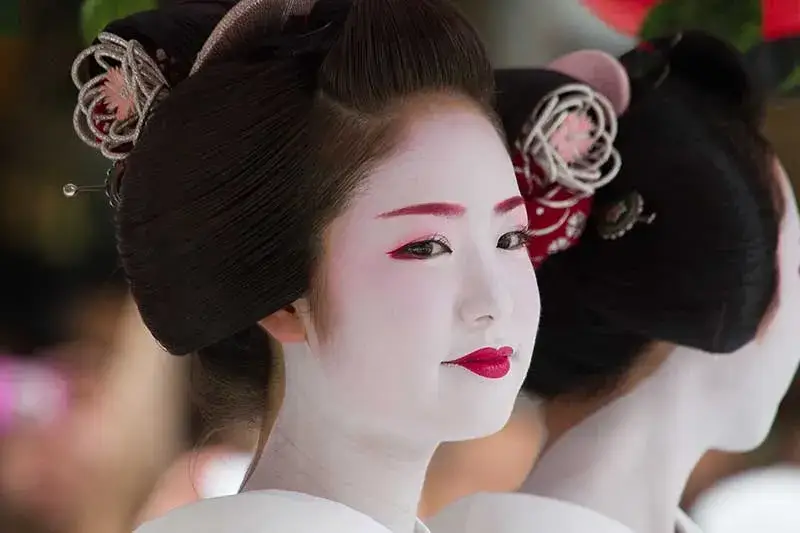
You may spot a geiko or maiko walking to an engagement, but it’s important not to block their path, follow them, or take close-up photos without permission. In recent years, signs have been posted banning photography in some alleys due to tourist misbehavior. Take photos of the scenery, not strangers. If you’re lucky enough to see a maiko, admire her from a respectful distance.
Keep Your Voice Down
Gion’s narrow streets carry sound easily. Loud conversation, laughter, or phone calls can disturb both residents and performers. Think of Gion as a quiet museum without walls—one that people still live and work in.
Don’t Touch the Buildings
The wooden machiya townhouses may look inviting, but avoid leaning on them or touching window frames and doors. Many are private homes or delicate historical structures.
Stay on Marked Paths
Stick to public roads and walkways. Some backstreets are private or restricted. If a street is blocked with a sign or rope, take a different route.
Respect Sacred Spaces
If visiting Yasaka Shrine, Gion Corner, or smaller temples and shrines, observe silence, dress modestly, and follow posted rules. Even when taking photos, avoid posing disrespectfully in front of altars or statues.
How to Get There & Visitor Info
Location
Gion is located in Higashiyama Ward, central Kyoto, nestled between the Kamogawa River and Yasaka Shrine. It’s within walking distance of many other major attractions like Kiyomizu-dera and Maruyama Park.
How to Get to Gion
From Kyoto Station:
- Take Bus 100 or 206 to Gion bus stop (about 20 minutes)
- Or take the Keihan Line to Gion-Shijo Station, then walk 5 minutes
From Kawaramachi Area:
- Walk east across the Kamogawa River via Shijo Street
- Gion begins at the intersection of Shijo-dori and Hanamikoji Street
Opening Hours & Admission
- Gion itself is a public district, so there are no entrance fees or set opening hours
- Shops and tea houses generally open between 10:00 AM – 6:00 PM
- Some traditional dining experiences or performances may require advance reservation
Q&A – Gion Travel Tips
Is Gion worth visiting?
Absolutely. Gion is one of Kyoto’s most iconic districts, known for its preserved wooden machiya architecture, rich geisha culture, and atmospheric streets like Hanamikoji-dori. It’s a must-see for anyone interested in traditional Japanese arts and aesthetics.
What does “Gion” mean in Japanese?
“Gion” (祇園) is derived from Jetavana, the name of a Buddhist temple where the historical Buddha is said to have taught. In Japan, it became associated with Yasaka Shrine, the spiritual heart of Gion, and eventually referred to the surrounding entertainment district.
Can you see real geisha in Gion?
Yes, especially in the early evening, you might spot real maiko or geiko walking to their appointments. However, they are working professionals, so please admire respectfully from a distance—do not block their path or take photos up close.
What is Gion Corner?
Gion Corner is a theater where visitors can watch a variety of traditional Japanese performing arts, including kyo-mai dance, tea ceremony, flower arrangement, and more. It’s the easiest way to experience geisha performances without private connections.
Is Gion still closed to tourists?
No. While certain private alleys (like in Gion Kobu) now have signs restricting photography to protect residents, Gion remains open to visitors. Just be respectful—keep noise low, avoid trespassing, and follow posted signs.
Guest Experience & Recommended Tours
“I joined a private tour in Gion, and just as the sun was setting, our guide quietly pointed out a maiko walking along Hanamikoji Street. She moved so gracefully—it was like watching a scene from a movie. The guide explained her hairstyle and kimono patterns, which made the moment even more special.”
“I attended a cultural show at Gion Corner with my family. The geisha dance, the court music, the tea ceremony—each performance was short but very impressive. It was a perfect introduction to Kyoto’s arts without needing special connections or a big budget.”
Recommended Tours
・The Best of Japan Private Tour Package 9 Days
・Japan Private Tour 6 days | Beautiful Cherry Blossoms
・8-Day Small Group Tour Golden Route Japan in Cherry Blossoms Season
Last updated: December 2025