
information
Would you like to get handy travel tips for Japan and learn more about Japanese culture, food, history, subcultures, daily life, and more? This information guide will help you out!
-
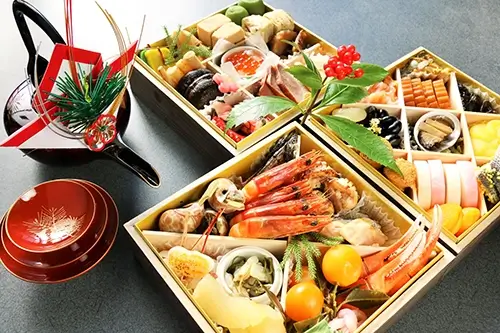
Osechi Ryori | Traditional Japanese New Year’s Dishes
Japan’s traditional New Year’s food osechi ryori has a long history that began in the Heian era, as back in the day it was taboo to cook on the first 3 days of the year.
-
Sukiyaki | A delicious and luxurious dish representing the Japanese winter
Sukiyaki is a typical wintertime dish in Japan featuring beef, tofu, scallions, cabbage, and mushrooms. You can eat it in restaurants, but Japanese people also eat this at home a lot.
-
Shabu Shabu – Japan’s New Take on Hot Pot
Shabu shabu is still a relatively new dish. It was inspired by the Chinese-style hot pot that was brought to Japan by a restaurant named Suehiro from Osaka.
-
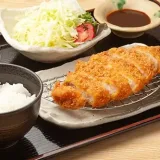
Tonkatsu | A very popular dish among the Japanese
Tonkatsu was invented in the late 19th century and it became a very popular dish in Japan. This Japanese version of the German schnitzel was inspired by a Western food boom in the late 19th century.
-
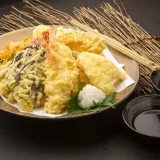
Tempura | A very popular dish among the Japanese
Many people don’t know that tempura is actually not an original Japanese food and that it has a long history. Tempura was first made in Japan in the early Edo period when foreigners could barely enter Japan.
-
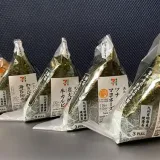
Onigiri | A very popular dish among the Japanese
In Japanese culture, it is important not to waste any food, and the onigiri (rice ball) is a great example of how this goal is reached. Onigiri often features in home-made bento lunch boxes.
-
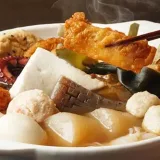
Oden | A very popular dish among the Japanese, especially in winter
If you want to try something new in Japan that you can likely not find in your home country, you should give oden a try! It is not only delicious but also a healthy and low-calorie option.
-
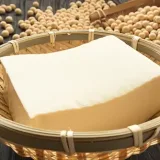
Tofu | A very popular dish among the Japanese
In Japan, tofu has been a part of the menu for many centuries. The rest of the world is now also catching up, as there are great health benefits to eating tofu.
-
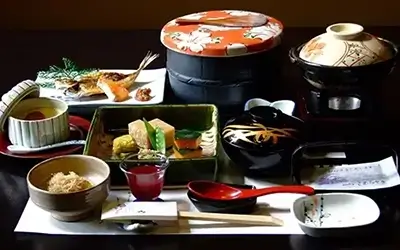
Kaiseki Cuisine | A very popular dish among the Japanese
Kaiseki ryori is not just a meal, it is a quintessentially Japanese experience. Often served in ryokan as a part of your stay there, it is a multi-course high-end meal that tries to incorporate the locality and season as best as it can.
-
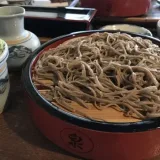
Udon and Soba | representative of Japanese food
Udon and soba are two lesser-known types of noodles from Japan, even though they have deeper Japanese roots than the popular ramen noodles. What are udon and soba?
-
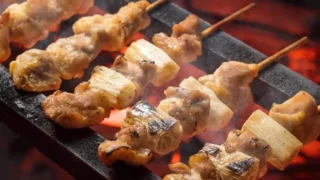
Yakitori | A very popular dish among the Japanese
Just like most Japanese dishes based on meat, yakitori also doesn’t have a long history because Buddhism made eating meat a no-no. How did this locals’ favorite develop, and which variations are there?
-
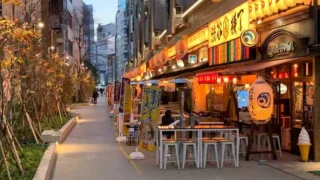
Izakaya | Good food and drinks, fun space
Whether you go to a tiny village’s little center or to Tokyo’s most famous areas, everywhere you will be able to find izakaya. An izakaya is the Japanese equivalent of a gastropub.
-
Miso (Fermented Soybeans) | Rich in nutrients and full of flavor
Japanese cuisine is known for its mild but specific flavors, and miso (fermented soybeans) is one of its main components. Learn more about this versatile condiment!
-

Japan’s beautiful landscapes and wonderful hot spring resorts
Tectonic activity doesn’t just bring earthquakes and volcanic eruptions with it, it also brings great natural hot spring areas where we can relax and get rid of all kinds of physical ailments.
-
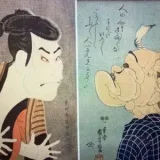
Ukiyo-e | Beautiful Woodblock Prints, also known as Japonisme
Ukiyo-e is a famous form of visual art from Japan. Ukiyo-e works are woodblock prints that depict scenes from Edo-period Japan. Learn more about these intriguing works of art!
-
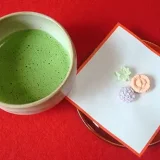
Tea Ceremony Characterized by Beautiful Gestures and Delicate Taste
The Japanese tea ceremony is called Chanoyu, Sado, or simply Ocha. It is a choreographed ritual of preparation and the serving of a type of Japanese green tea called matcha, along with traditional sweets to balance the bitter taste of the tea.
-
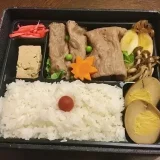
Bento Boxes | A box full of deliciousness and love
Bento is the Japanese word for a meal served in a box. Bentos form an integral part of Japanese food culture, which cannot be simply traced from a packed meal.
-
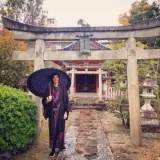
The Kimono | Beautiful Traditional Japanese Clothing
Kimono are traditional Japanese clothes that used to be worn on a daily basis until western-style fashion came to Japan. Today, the Japanese still wear kimono to official functions sometimes.
-

Beautiful and cool notation of kanji and hiragana
Japanese writing consists of three systems, kanji, hiragana, and katakana. Here’s a simple overview of how the Japanese writing system works.
-

Kabuki | A comprehensive art form of Japanese tradition
Kabuki theater is a popular performance art that you can only see in Japan. It is performed by only male actors, and traditionally the trade has mainly been inherited by sons from their fathers.