
What is Wajima?
Wajima is a coastal city in Ishikawa Prefecture, nestled along the rugged Noto Peninsula. Known for its traditional lacquerware (Wajima-nuri), bustling morning market, and dramatic sea cliffs, Wajima offers visitors a glimpse of rural Japan shaped by artistry and the sea.
Despite suffering damage in the 2024 Noto Peninsula earthquake, Wajima has been steadily recovering—both physically and spiritually—thanks to the resilience of its local people and deep-rooted traditions. A visit here supports the town’s cultural preservation and revitalization efforts.
Wajima’s Must-See Attractions
Wajima Morning Market (朝市)
One of Japan’s oldest morning markets, this daily event dates back over 1,000 years. Over 200 stalls line the streets from early morning, selling everything from fresh seafood and seasonal produce to handmade crafts and lacquerware.
Wajima Lacquerware Hall
Learn about the history, process, and artistry of Wajima-nuri—Japan’s most revered lacquerware. Artisans demonstrate their techniques, and visitors can try simple hands-on activities.
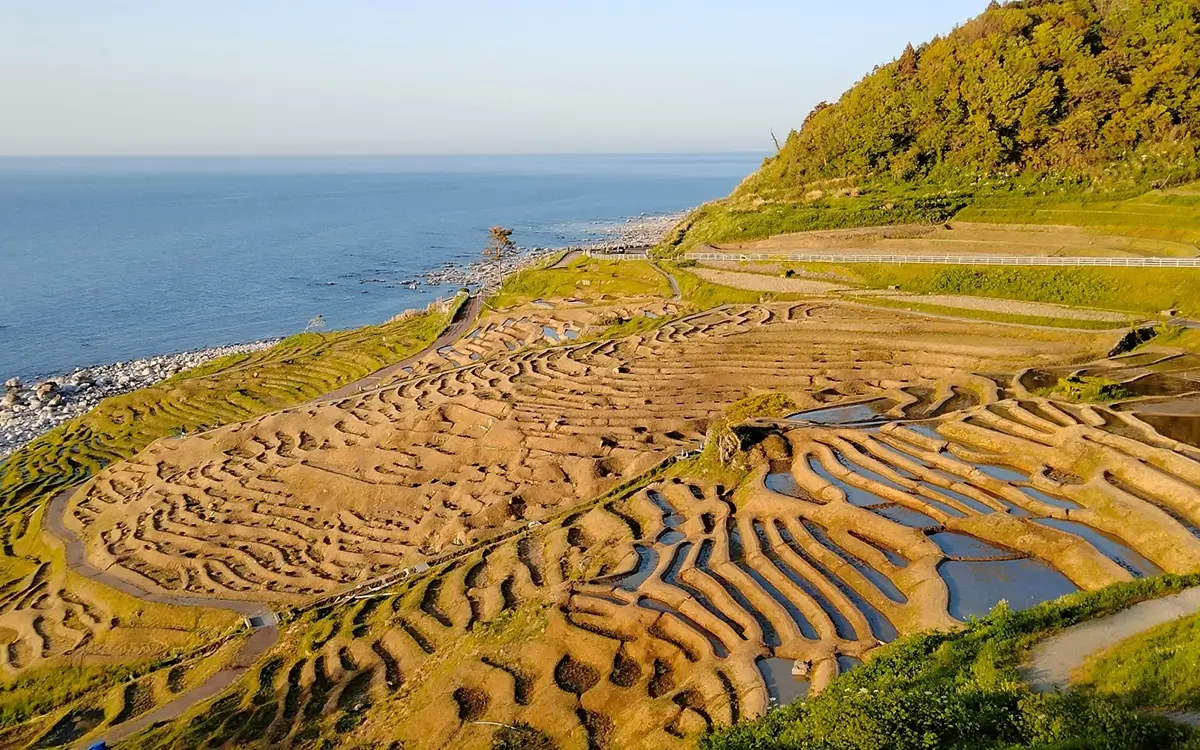
Senmaida Rice Terraces
Located along the Sea of Japan, these “1,000 Rice Fields” offer breathtaking seasonal views. The terraced paddies descend gracefully toward the ocean and are especially beautiful at sunset or when illuminated at night in winter.
Go Nagai Wonderland Museum
This quirky museum celebrates manga creator Go Nagai, who was born in Wajima. Fans of Devilman and Mazinger Z will enjoy rare artwork and retro memorabilia.
Local Culture & Recovery
Wajima’s cultural heartbeat lies in its craftsmanship and festivals. The city is the center of Wajima-nuri production, a painstaking process that can take months per piece and involves dozens of artisans. Even after the 2024 earthquake, many workshops have resumed, seeing recovery as an extension of their generational duty.
Traditional festivals like the Wajima Taisai (Wajima Grand Festival), held each August, also symbolize strength and unity. Tall kiriko lanterns parade through the streets, showcasing both spiritual devotion and local pride.
Visitors who come now can witness both the preserved beauty and the ongoing recovery of this proud coastal city.
How to Get There
- From Kanazawa Station: Take the Noto Railway to Anamizu Station, then transfer to a local bus bound for Wajima. Total travel time: ~2.5 hours.
- By car: Around 2 hours from Kanazawa via the Noto Satoyama Kaido.
- From Noto Airport: Wajima is about 25 minutes by car or bus from the airport.
Guest Experience & Recommended Tours
“I visited Wajima a few months after the earthquake. What surprised me most wasn’t the damage—but the spirit of the people. I watched a young artisan polishing lacquerware with delicate care, telling me it’s their way of restoring the town. The morning market was lively again, and the views from Senmaida were just stunning. It made me realize recovery isn’t just about rebuilding structures—it’s about continuing stories.”— Guest from Canada
Recommended Tours
Q&A – Wajima Travel Tips
What is Wajima famous for?
Wajima is best known for its lacquerware (Wajima-nuri), traditional morning market, and sea-facing rice terraces.
Is Wajima worth visiting?
Yes. It’s a unique destination combining cultural heritage, coastal beauty, and local resilience—especially meaningful after the 2024 earthquake.
When was the Wajima earthquake?
A magnitude 7.6 earthquake struck the Noto Peninsula, including Wajima, on January 1, 2024.
What are the famous products of Wajima?
Wajima-nuri lacquerware, dried seafood, local sake, and handcrafted souvenirs from the morning market.
Visitor Info
Location
Wajima City, Ishikawa Prefecture, Japan
Market Hours
8:00 AM – 12:00 PM daily (Wajima Morning Market)
Admission
Most attractions are free or low-cost
Official Site
Last updated: December 2025