
Step into the sacred world of sumo, where ancient tradition meets incredible athleticism in Japan’s national sport. This living cultural treasure, preserved for over 1,500 years, offers visitors a unique glimpse into Japan’s spiritual heritage and sporting excellence, much like the traditional atmosphere found in historic districts like Asakusa.
The Sacred Rituals of Sumo
Every sumo tournament begins with ceremonial traditions that are as important as the matches themselves. The dramatic ring-entering ceremonies create a breathtaking spectacle, while symbolic purification rituals connect modern matches to ancient Shinto traditions, similar to the spiritual practices you might observe at major shrines like Meiji Jingu.
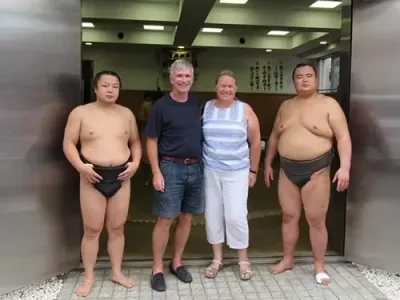
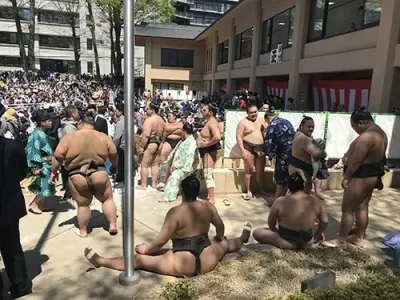
Caede’s Insider View:
“What many visitors don’t realize is that every movement in sumo has deep meaning. The wrestlers’ stomping feet symbolically drive evil spirits from the ring, while the open palm proves they carry no weapons. These beautiful details make sumo much more than a sport – it’s a moving cultural performance that shares the same attention to ritual as traditional tea ceremonies.”
Frequently Asked Questions
How can I watch a sumo tournament?
There are six major tournaments yearly, with Tokyo’s three tournaments at Ryogoku Kokugikan being most accessible. Purchase tickets in advance or try same-day tickets for budget options. The Ryogoku area is easily reachable from major hubs like Tokyo Station and makes for a perfect cultural day trip.
What do the different ranks mean?
The sumo ranking system is incredibly detailed, with Yokozuna being the highest rank. Unlike the structured ranking of sumo, you might notice more subtle hierarchies in other Japanese traditions, such as the geisha culture of Kyoto.
Why do sumo wrestlers throw salt before matches?
This beautiful tradition serves both practical and spiritual purposes, purifying the ring according to Shinto beliefs. This connection to Shinto tradition is something you’ll also encounter when visiting major shrines throughout Japan.
Are there food traditions associated with sumo?
Absolutely! Sumo wrestlers famously eat chanko-nabe – a nutritious hot pot that helps maintain their physique. Many sumo stables operate restaurants where visitors can try this delicious dish, similar to how you might experience local specialties in food-focused areas like Dotonbori in Osaka.
Experiencing Sumo Culture Firsthand
Beyond tournaments, visitors can deepen their sumo experience at the Sumo Museum at Ryogoku Kokugikan, which offers fascinating historical context. For the truly dedicated, attending morning practice at a sumo stable provides an intimate look at the rigorous training regimen.
Caede’s Personal Recommendation:
“If you’re visiting during a tournament month, nothing beats Ryogoku Kokugikan’s electric atmosphere. But if your timing doesn’t align, explore the sumo district around Ryogoku Station, where you’ll find chanko-nabe restaurants run by former wrestlers. Combine this with a visit to nearby cultural sites for a perfect day of traditional Japanese experiences.”

Understanding the Sumo Lifestyle
The world of sumo operates as a strict hierarchy where junior wrestlers learn discipline and tradition through every aspect of daily life. This unique system preserves cultural values while forging incredible athletes who combine massive size with surprising agility.
Planning Your Sumo Experience
When preparing to attend a tournament, remember that each day follows a specific schedule. The lower divisions compete in the morning, with top-tier matches occurring in late afternoon. The atmosphere builds throughout the day, much like the evolving energy you might experience exploring different Tokyo neighborhoods from daytime to nighttime.
For alternative sumo experiences, regional tours occur throughout Japan between official tournaments. Additionally, several organizations offer sumo experiences where visitors can try basic techniques while learning about the sport’s rich history.

Caede’s Final Reflection:
“What continues to amaze me about sumo is how it maintains ancient traditions while thriving as a modern professional sport. The sight of these athletes performing unchanged rituals creates a powerful connection to Japan’s cultural heart. Whether watching a dramatic match or walking through the sumo district, you’re experiencing a living piece of Japanese history that continues to captivate audiences worldwide, much like the enduring appeal of Japan’s cherry blossom season.”