
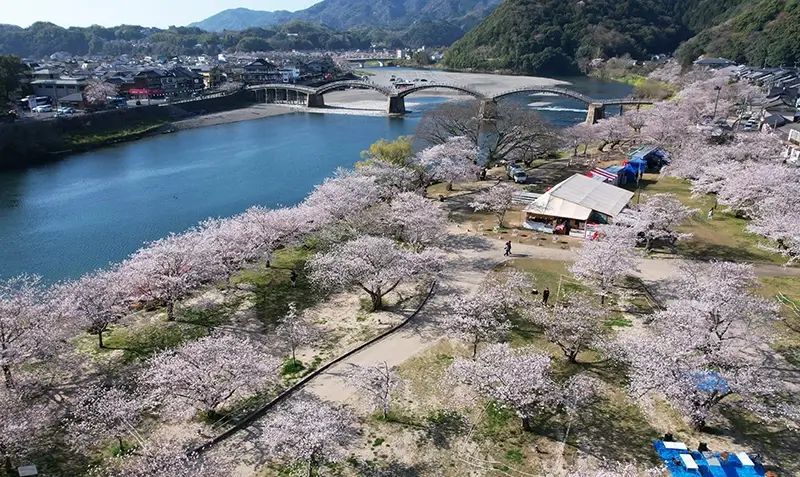
The iconic wooden arches of Kintaikyo Bridge stretch gracefully across the Nishiki River in Iwakuni, Yamaguchi Prefecture. Originally built in the 17th century, this unique five-arched bridge isn’t just an architectural marvel—it’s a symbol of Iwakuni’s heritage and resilience.
Framed by cherry blossoms in spring and vibrant foliage in autumn, the bridge and its riverside surroundings offer one of the most scenic and culturally rich views in western Japan. The peaceful setting, historical depth, and postcard-worthy scenery make it a must-visit spot for travelers seeking more than the usual tourist route.
→Want to enjoy Kintaikyo Bridge along with nearby highlights like Iwakuni Castle and the White Snake Shrine? Join one of our guided tours to discover the best of this charming castle town with ease and local insight.
What Is the Kintaikyo Bridge?
Kintaikyo Bridge (錦帯橋) is one of Japan’s most admired historical bridges, known for its rare five-arched wooden structure. It crosses the Nishiki River in the city of Iwakuni and has stood for over three centuries—though not without challenges.
Why was the bridge built?
In the early Edo period, Iwakuni Castle was positioned on one side of the Nishiki River, while the castle town developed on the other. Previous attempts to build bridges using standard designs had failed repeatedly due to flooding. To solve this, in 1673, feudal lord Kikkawa Hiroyoshi commissioned an innovative design with stone piers and five interlocking wooden arches—meant to withstand both time and water. The result? A bridge that was both durable and strikingly beautiful.
Unfortunately, even the best planning couldn’t defeat nature forever. A major typhoon in 1950 washed away the bridge, but it was faithfully reconstructed using traditional techniques, and has since been rebuilt again with improved materials to ensure preservation.
Today, Kintaikyo Bridge is a National Scenic Spot and a symbol of Iwakuni itself—renowned for its craftsmanship, elegant form, and seasonal beauty.

When I first saw the bridge from across the river, I actually stopped walking. Its curves looked like they belonged in a painting—especially with the mountains behind it. And to think it was built centuries ago… that just made it more incredible.
Is Iwakuni Worth Visiting?
Absolutely. While Kintaikyo Bridge is the most famous attraction, Iwakuni offers much more than just one iconic photo spot. From mountaintop views to rare white snakes, this quiet city in Yamaguchi Prefecture is full of charm and unique local culture.
Visit Iwakuni Castle
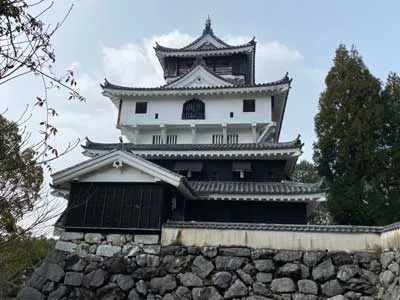
Perched on a mountain above the Nishiki River, Iwakuni Castle offers panoramic views of the bridge and surrounding valley. Take the ropeway up for a scenic ride, then explore the small museum inside the castle, which features samurai armor and local history.
See the Sacred White Snakes
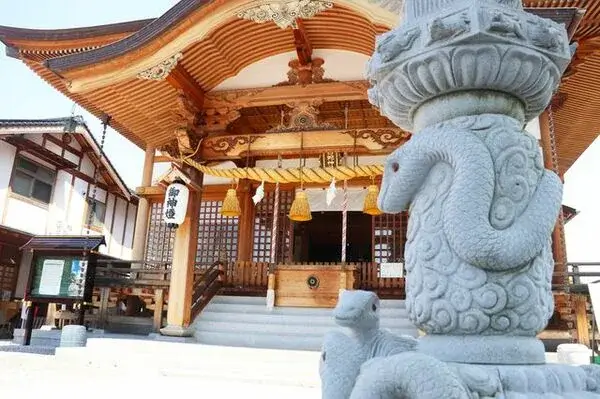
Iwakuni is known for its albino white snakes, which are considered symbols of good luck and wealth in Japanese folklore. You can visit the White Snake Shrine (Shirohebi Jinja) or a small viewing facility near the bridge to learn more about these rare creatures.
Try Local Specialties
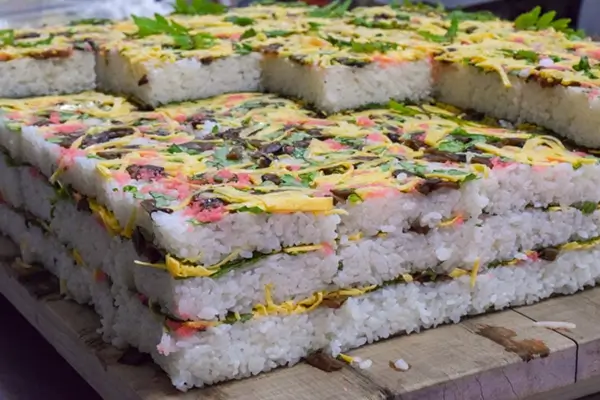
Don’t leave without tasting Iwakuni sushi, a pressed-style sushi served in square layers, and renkon dishes made from lotus root—another regional favorite. Many shops near the bridge offer takeout sets or riverside dining with great views.
Seasonal Events
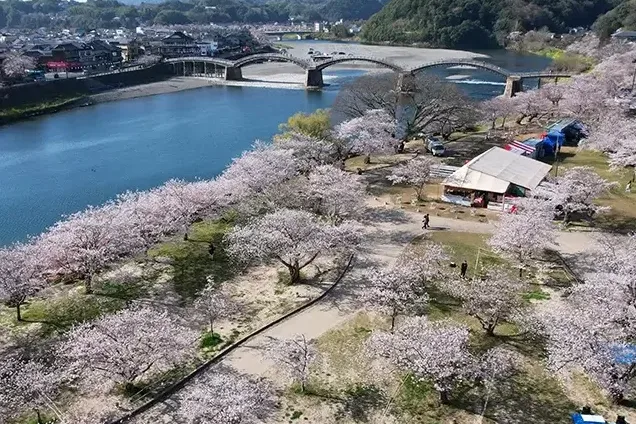
In spring, Kintaikyo is one of the best cherry blossom spots in western Japan. The surrounding Kikko Park becomes a sea of pink, and food stalls pop up along the riverside. Fall brings colorful foliage, and summer sees local festivals with lanterns and fireworks.

I’ll be honest—I didn’t expect much from a “white snake viewing spot,” but when I saw one slowly uncurling under a heat lamp, I froze. It was beautiful. The locals really do treat them like sacred beings, and now I totally get why.
What Are the Three Most Beautiful Bridges in Japan?
Kintaikyo Bridge is often listed among Japan’s three most beautiful historical bridges, alongside:
• Shinkyo Bridge in Nikko (Tochigi Prefecture): a sacred vermilion-lacquered bridge leading to the World Heritage shrines.
• Kazurabashi in Iya Valley (Tokushima Prefecture): a suspension bridge made of vines, hanging over a deep mountain gorge.
What makes Kintaikyo stand out is its engineering elegance and aesthetic harmony. While the other two are either sacred or thrilling, Kintaikyo’s five wooden arches blend seamlessly into the natural landscape—especially during cherry blossom or autumn foliage seasons. Its design isn’t just beautiful—it was originally engineered to resist floods, making it a perfect mix of function and form.
How Long Is the Kintaikyo Bridge?
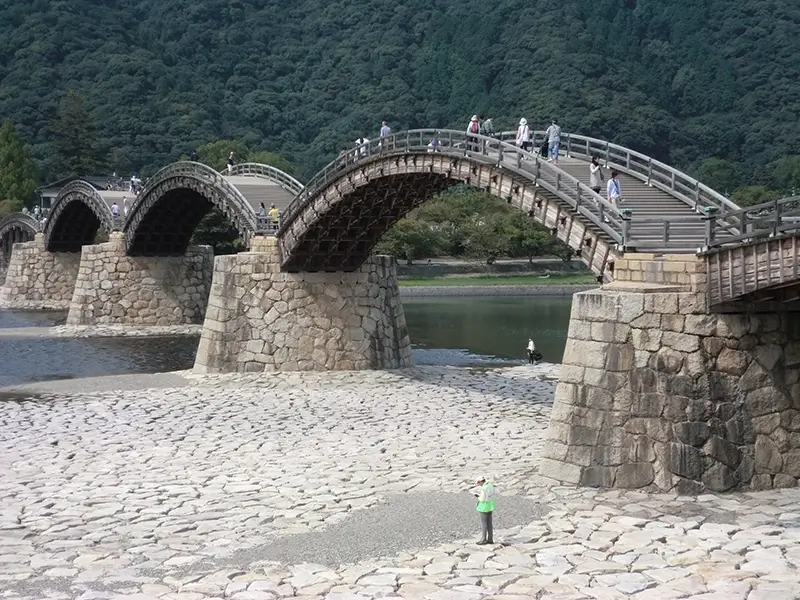
Kintaikyo Bridge is approximately 193 meters long and spans the Nishiki River with five elegant wooden arches supported by four stone piers. It’s not just a bridge—it’s a walk through history.
Opening Hours & Entry Fee
You can cross the bridge from early morning until 5 or 6 PM, depending on the season.
• Bridge crossing fee: ¥310 for adults / ¥150 for children
• Combination tickets are available for the bridge, Iwakuni Castle, and Ropeway.
Best Seasons to Visit
• Spring (late March – early April): Cherry blossoms transform the riverbanks into a sea of pink.
• Autumn (late November): The surrounding maple trees turn vibrant shades of red and gold.
• Winter: Snow on the bridge creates a peaceful, postcard-like scene—especially early in the morning.
If you’re into photography, the bridge is best captured from the opposite riverbank during sunrise or sunset.

I visited during cherry blossom season, and the view from the far riverbank honestly took my breath away. The soft pink petals, the curve of the bridge, and the stillness of the water—I’ve never taken so many photos in one place.
Visitor Info
Location
Kintaikyo Bridge is located in Iwakuni, Yamaguchi Prefecture, about 45 minutes by train from Hiroshima Station.
How to Get There from Hiroshima
- Take the JR Sanyo Line to Iwakuni Station (approx. 45 minutes)
- Then take a bus or taxi to Kintaikyo Bridge (about 15 minutes)
You can also use a direct bus from Hiroshima Bus Center, especially convenient during peak seasons.
Opening Hours
- The bridge is accessible from early morning until sunset
- Ropeway and castle opening hours: usually 9:00 AM to 5:00 PM
Admission
- Bridge only: ¥310 (adults), ¥150 (children)
- Combo ticket (Bridge + Ropeway + Iwakuni Castle): around ¥970
Info verified as of 2026. Please check local listings for updates.