
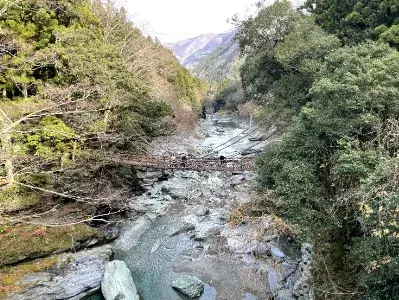
What is Kazurabashi?
Deep in the heart of Tokushima’s Iya Valley, a mysterious vine bridge stretches across a rushing mountain stream. Known as Kazurabashi, this handwoven suspension bridge is made from hardy vines called shirakuchi-kazura and spans 45 meters across a gorge, suspended 14 meters above the water.
Originally built hundreds of years ago by local villagers—and possibly even the Heike refugees—the bridge once served as the only way to cross the rugged terrain of this remote valley. Today, it’s rebuilt every few years using both natural vines and steel cables for safety, but the feeling of walking across a living, creaking bridge remains unforgettable.
Kazurabashi is not just a bridge—it’s an experience. Every step echoes the harmony (and thrill) of humans and nature, offering a glimpse into Japan’s hidden valleys.
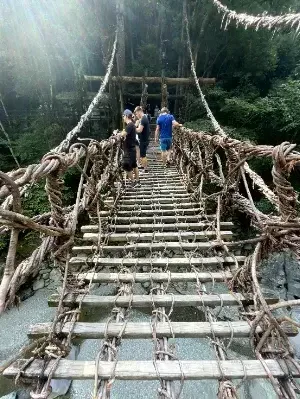
Walking the Bridge – What to Expect
The moment you step onto Kazurabashi, you’ll feel it: the gentle sway beneath your feet, the cool mountain air brushing against your skin, and the sound of rushing water far below.
The wooden planks are spaced apart, revealing the river below through gaps—wide enough to test your nerves but safe for most visitors. The vines creak slightly as you walk, giving a raw, authentic feel you won’t find on modern suspension bridges.
Many visitors pause at the midpoint to take in the view of the Iya Valley: steep forested cliffs, turquoise streams, and the peaceful isolation of this mountain region.

Just a heads-up: the planks are slippery after rain, and the bridge is one-way only. I recommend wearing proper shoes and going early to avoid crowds.
Experience Crossing Kazurabashi
I visited Kazurabashi on a misty spring morning. The mountain air was cool, and the fog clung to the trees like something out of a Ghibli film. As I approached the bridge, I could already hear the roar of the river below. There were only a few other visitors around, so I took my time. The bridge swayed gently with each step, and I could feel the vines flex under my hands. At the halfway point, I paused and looked down—the clear stream cut through mossy rocks, and the forest echoed with birdsong.
I wasn’t expecting the height to feel so real. It’s only about 14 meters above the water, but with the open gaps between the wooden planks, it felt like much more. Still, there was something exhilarating about it. Not terrifying—just enough to make my heart race. Crossing to the other side, I felt like I had experienced something ancient, something people centuries ago had felt too. No filters, no sound effects—just nature, rope, and a bit of courage.
Access – How to Get to Kazurabashi
🚆 By Public Transportation
1. From Tokushima or Okayama:
Take a limited express train to Oboke Station (大歩危駅) on the JR Dosan Line.
2. From Oboke Station:
– Take the Shikoku Kotsu bus bound for Kazurabashi (30–40 minutes).
– Get off at the Kazurabashi stop.
Note: Buses are infrequent—check schedules in advance.
🚗 By Car
• From Takamatsu or Kochi, Kazurabashi is about 2–2.5 hours by car.
• The roads into the Iya Valley are narrow and winding, so drive carefully.
• Paid parking is available near the bridge entrance.
🧭 Guided Tours (Recommended)
If you’re not confident with rural travel in Japan, consider a guided tour from Takamatsu or Tokushima that includes transportation, translation, and stops at nearby attractions like Oboke Gorge or Iya Onsen.
Nearby Attractions – What Else to See in Iya Valley
Kazurabashi is just the beginning. The Iya Valley is full of quiet beauty and off-the-beaten-path wonders. If you’ve made it this far, don’t miss these nearby spots:
Iya Valley Scenic Road
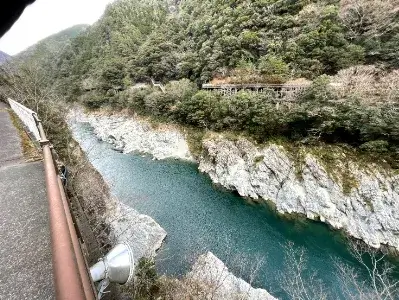
This winding mountain road offers breathtaking views of cliffs, rivers, and deep forest. You’ll pass traditional farmhouses with thatched roofs and terraced fields tucked into the slopes.
Peeing Boy Statue
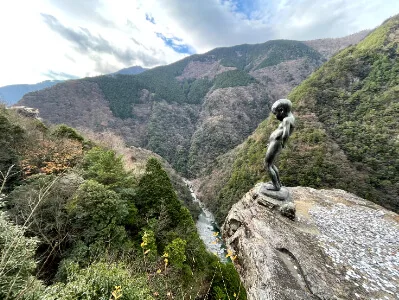
Perched dramatically on a cliff edge, this quirky statue depicts a boy fearlessly peeing into the gorge—supposedly commemorating the daring spirit of local youth. It’s a quick photo stop, but the view is incredible.
Iya Onsen

A rare onsen accessed via a private cable car descending into the valley. Soak in outdoor baths right next to the river, surrounded by forest and mist. One of the most memorable hot spring experiences in Japan.
Oboke & Koboke Gorges
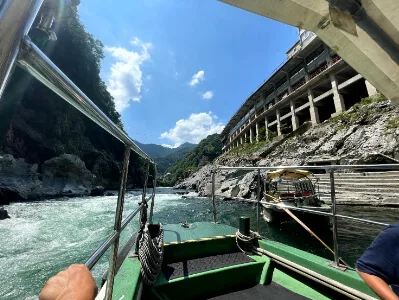
Just upstream from Kazurabashi, these dramatic river canyons offer boat rides, whitewater rafting (in season), and walking trails. Oboke Station is a common entry point to the area.
Visitor Info – Opening Hours & Tips
Opening Hours
Kazurabashi is open year-round, with entry typically allowed from sunrise to sunset.
- Standard hours: 7:00 AM – 6:30 PM (may vary by season)
- Entry gate closes in the evening for safety reasons.
Admission
- Adults: ¥550
- Children: ¥350 (Tickets available at the small booth near the bridge entrance)
What to Bring
- Wear grippy shoes (the planks may be slippery)
- Avoid skirts or loose items—wind and gaps can surprise you
- Check weather and bus times in advance if visiting by public transport