
What is a Japan Cultural Experience?
If you’re visiting Japan, there’s more to do than sightseeing and eating sushi. Cultural experiences let you step into traditional Japanese life—quiet reflection, seasonal beauty, and attention to detail. These moments often become the most meaningful parts of your trip.
Kyoto is the perfect place to try authentic Japanese traditions. With centuries-old temples, kimono-lined streets, and welcoming locals, it’s easy to immerse yourself in timeless practices like Zen meditation, tea ceremonies, and kimono dressing.
Zen Meditation (Zazen) Experience

What is Zazen?
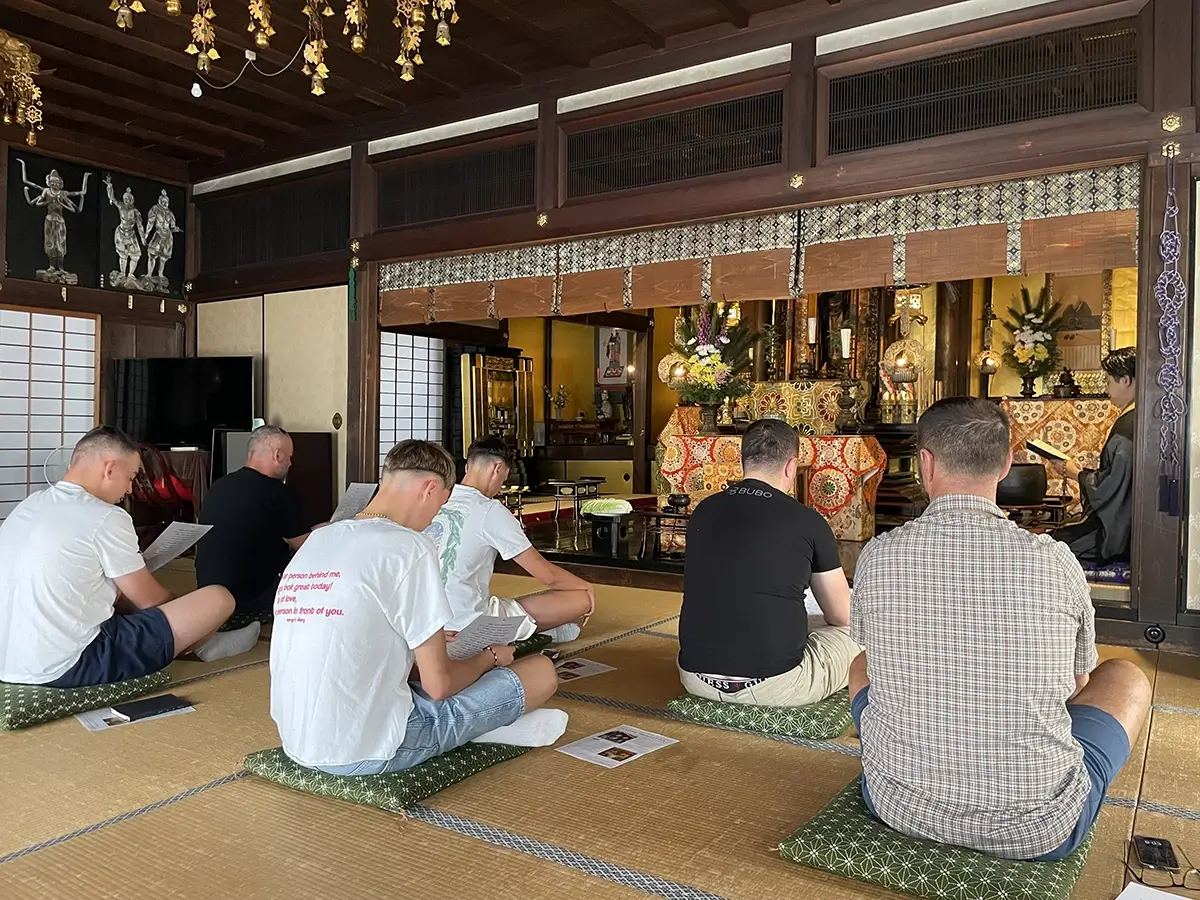
Zazen is a form of seated meditation practiced in Zen Buddhism, emphasizing posture, breath, and mental clarity. Introduced to Japan centuries ago, it became a central part of temple life—and today, it’s also a popular mindfulness experience for visitors.
A typical session starts with a short explanation (often in English), followed by guided breathing and 10–20 minutes of silent meditation. Some temples offer multiple rounds, walking meditation, or a brief tea break. Even a short session can leave a lasting impression of calm and clarity.
Guest Experience
“I had never practiced meditation before coming to Kyoto, but the experience was surprisingly accessible. Sitting still was difficult at first, but by the end, I felt peaceful and clear-headed. The temple setting made it feel special—far more than just quiet time.”
— Liam, Australia
Where to Try Zazen in Kyoto
- Maikozaka-an (舞妓坂庵) A small, traveler-friendly retreat near Gion offering short zazen workshops in English. Sessions often include posture instruction, light stretching, and a cup of tea afterward. Perfect for first-timers. Official Site: https://www.maiko-taiken.com/en/index.html
- Tenryu-ji Temple (Arashiyama) A UNESCO World Heritage Site. While formal zazen events are occasional, the temple’s Zen garden and quiet halls encourage personal meditation. Some morning sessions may be open to visitors. Website: https://www.tenryuji.com/en/event/
- Ryōan-ji Temple (West Kyoto) Famous for its abstract rock garden, Ryōan-ji doesn’t host zazen classes but offers one of the most contemplative spots in Kyoto. Many travelers sit quietly here to reflect—essentially practicing informal zazen.
Recommended Tours
- 8-Day Small Group Tour Golden Route Japan in Cherry Blossoms Season
- 15-Day Small Group Tour Golden Route Japan through Shikoku and Kyushu in Cherry Blossoms Season
- 2025 The Classic Japan Tour package 8 Days
Kimono Wearing & Walking Experience
What is a Kimono?
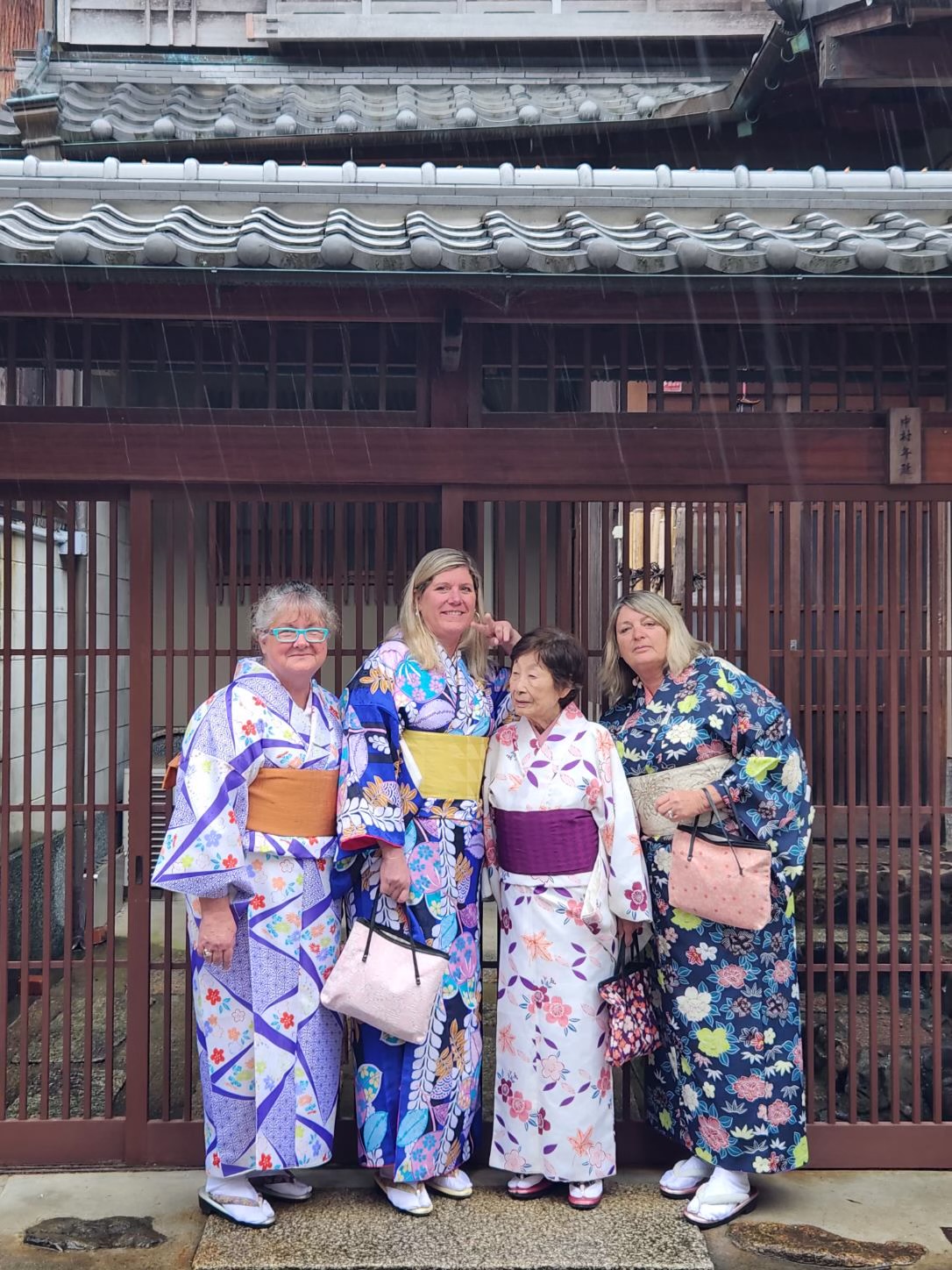
The kimono (着物), meaning “thing to wear,” has been Japan’s iconic garment for centuries. Once everyday clothing for men and women, it gradually evolved into formalwear for special occasions. Today, it remains a symbol of elegance, heritage, and seasonal beauty.
Each pattern, color, and fabric tells a story—some designs are reserved for weddings, others for tea ceremonies or festivals. The obi (belt), the layered collars, and even the way the kimono is folded all follow a refined cultural code.
The Art of Wearing a Kimono
Putting on a kimono isn’t just dressing—it’s a ritual. It takes layers, precision, and balance. At kimono rental shops, professional staff will help you select the right style (casual yukata, semi-formal komon, or even furisode with long sleeves), dress you properly, and match accessories like hairpins or sandals. The process may take 20–30 minutes, but the transformation is memorable.
Guest Experience
“As soon as I put on the kimono, I noticed my posture changed. I walked slower, more gracefully. We wandered through Gion, and locals smiled at us—it felt like I was in a movie. The staff helped with everything, even the obi belt and hair accessories. I never imagined dressing up could feel this meaningful.”
— Mira, Germany
“I visited Kyoto with my partner, and we decided to try kimono for the day. I was surprised how many options they had—even men’s patterns and sizes. We walked from the rental shop to Maruyama Park and took some great photos under blooming sakura. We got compliments from strangers—it really made the day unforgettable.”
— Jason, USA
Where to Rent Kimono in Kyoto
- Yumeyakata Gojo One of the largest and most established kimono rental stores in Kyoto. Offers hundreds of styles, including seasonal patterns and couple sets. English-speaking staff available.Website: https://www.en-kyoto.yumeyakata.com/?utm_source=sogo&utm_medium=referral
- Kyoto Kimono Rental Wargo (Gion Branch) Located near Gion-Shijo Station. Known for stylish plans and professional hairstyling. Also offers photo studio packages. Website: https://kyotokimonorental.com/en/shop/5
- Okamoto Kimono Rental (near Kiyomizu-dera) Ideal for walking the historic Sannenzaka and Ninenzaka slopes. Friendly for tourists and often used for pre-wedding photos. Website: https://www.okamoto-kimono-en.com/
Recommended Tours
Japanese Tea Ceremony (Sado) Experience
What Is Sado?
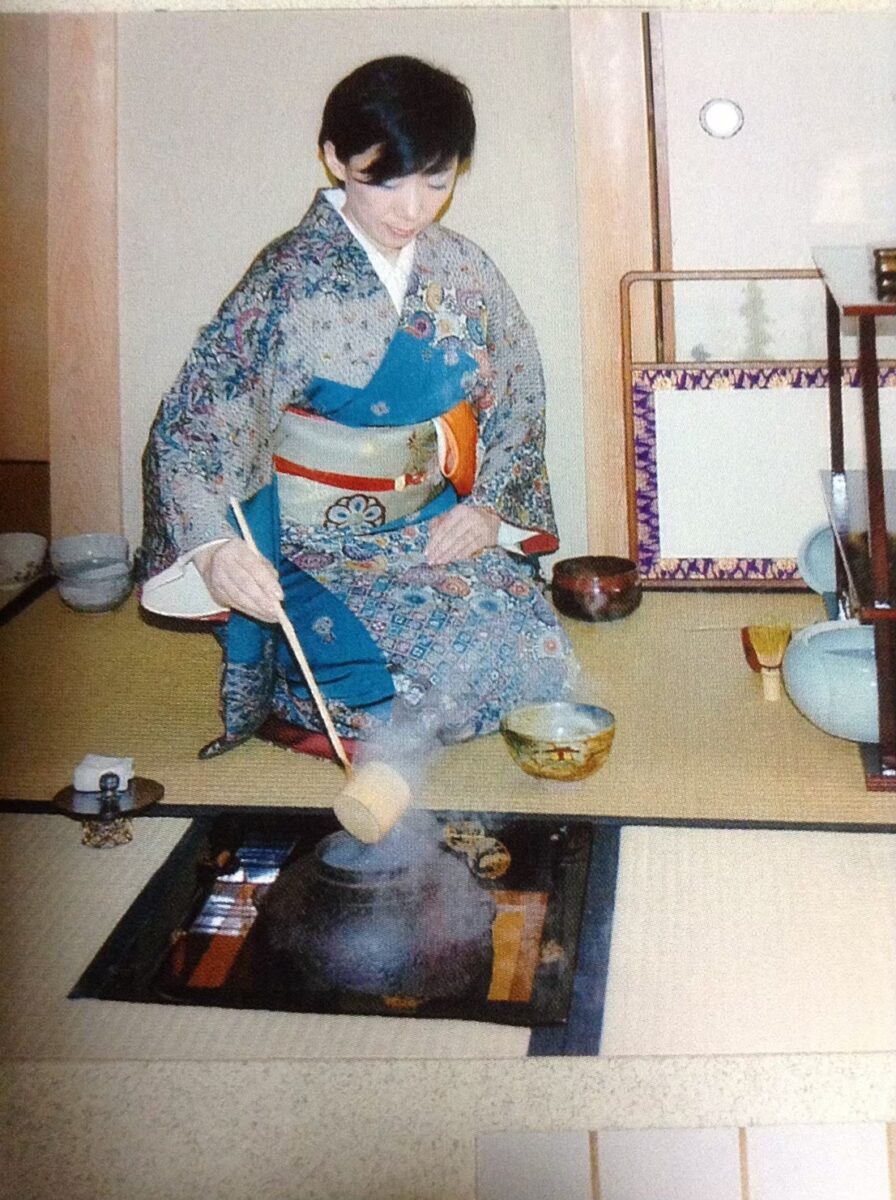
The Japanese tea ceremony, or sado (茶道), is more than drinking matcha. It’s a ritual of hospitality rooted in Zen Buddhism, where every gesture—from folding the cloth to placing the tea bowl—carries meaning. Developed during the 15th–16th centuries by tea masters like Sen no Rikyū, the ceremony emphasizes simplicity, respect, harmony (wa), purity (sei), and tranquility (jaku).
Today, participating in a tea ceremony offers travelers a quiet pause from sightseeing—and a glimpse into Japan’s spiritual and aesthetic values.
The Flow of a Tea Ceremony
A standard experience usually begins with a brief explanation of the history and etiquette, followed by a demonstration of the tea-making process (temae). You’ll then enjoy a seasonal wagashi (Japanese sweet), followed by freshly whisked matcha served in a hand-selected bowl.
In shorter tourist-friendly sessions (30–60 min), much of the formality is streamlined, but the spirit remains.
Guest Experience
“I joined a 45-minute tea ceremony near Kiyomizu Temple. The host explained every step in English, from bowing to the way of holding the cup. When I tasted the matcha after eating the delicate sweet, the bitterness and sweetness balanced perfectly. It was quiet, calm, and deeply satisfying—like a reset for my mind.”
— Ava, UK
Where to Experience Tea Ceremony in Kyoto
- Camellia Flower (near Kiyomizu-dera) One of Kyoto’s most popular tea ceremony venues for English-speaking visitors. Traditional yet relaxed atmosphere, perfect for beginners. Private and group sessions available. Official Site: https://tea-kyoto.com/
- Tea Ceremony KOTO (Gion area) Offers intimate ceremonies in a 100-year-old townhouse. Includes optional kimono rental. Excellent English explanations for each step. Website: https://teaceremony-kyoto.com/
- Jotokuji Temple Tea Experience A real tea ceremony in a working Zen temple setting. Available through cultural programs, this is ideal for those seeking a more meditative experience. Reservations via experience platforms or cultural tour packages.Website: https://teaceremonykyoto.com/
Recommended Tours
Cultural Etiquette – Do’s & Don’ts for Traditional Experiences
Participating in traditional Japanese experiences like zazen, kimono wearing, and the tea ceremony can be deeply meaningful—but they also come with unspoken rules. Here are a few tips to help you show respect and enjoy your time fully.
Do:
- Arrive on time: Punctuality is important in all cultural settings.
- Listen carefully to instructions: Most experiences begin with a short explanation—pay attention.
- Dress modestly: Even with kimono rentals, avoid flashy accessories or heavy makeup that clash with the traditional style.
- Show appreciation: A simple bow and a “thank you” (ありがとう / arigatou) go a long way.
Don’t:
- Don’t take selfies during zazen or tea ceremony: It’s considered disrespectful to interrupt the quiet mood.
- Don’t sit with your legs stretched out: Especially during zazen, this is considered rude.
- Don’t touch sacred items: In temples or tea rooms, don’t handle tools or decorations unless invited.
- Don’t chase geisha or maiko for photos: If you happen to see one during a kimono walk or in Gion, admire from a respectful distance.
Q&A – Tips for First-Time Visitors to Cultural Experiences
Do I need to speak Japanese to join?
Not at all. Many cultural facilities in Kyoto offer English-friendly sessions. Hosts often speak basic English or provide simple visual instructions, especially for tourists.
What should I wear?
For tea ceremonies and zazen, wear modest, comfortable clothes. You’ll likely sit on tatami mats. Avoid short skirts or tight pants. For kimono rentals, the shop will provide everything you need.
How long do these experiences last?
Zazen meditation: 30–60 minutes
Kimono walk: 1.5–4 hours, depending on rental plan
Tea ceremony: 30–60 minutes