
What is the Iya Valley?
Hidden deep in the mountains of Tokushima Prefecture, the Iya Valley is one of Japan’s last remaining “hidden regions.” Steep gorges, vine-covered bridges, misty forests, and tiny villages clinging to the hillsides—this is Japan as few have seen it.
Known for its dramatic scenery, Kazurabashi vine bridge, and hot springs nestled in the cliffs, the Iya Valley feels like stepping back in time. Long isolated from the rest of the country, it was once a hiding place for the defeated Heike warriors in the 12th century, and much of its remote character remains intact today.

I’ll never forget my first trip to Iya. The road twisted through misty mountains, and suddenly there it was—a vine bridge swaying over a gorge. It felt like discovering a secret.
Top Experiences in the Iya Valley
Kazurabashi Vine Bridge
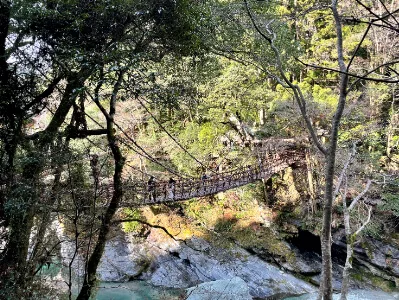
The valley’s most famous landmark—a swaying suspension bridge woven from vines and spanning a gorge 14 meters above the river. Crossing it is both thrilling and unforgettable.
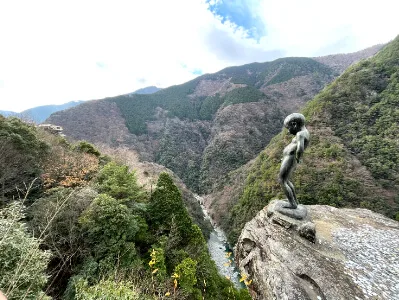
Peeing Boy of Iya (小便小僧)
A quirky statue standing on a sheer cliffside, commemorating local boys’ daredevil antics. The view down into the valley is breathtaking—and a little terrifying.
Iya Onsen
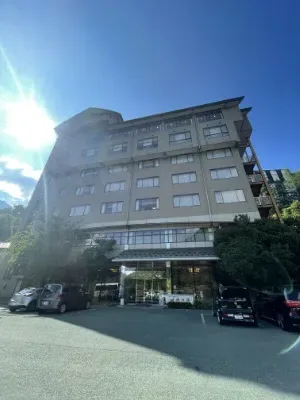
A secluded hot spring resort accessed via a private cable car that descends into the valley. Soak in open-air baths beside the river, surrounded by untouched nature.
Oboke & Koboke Gorges
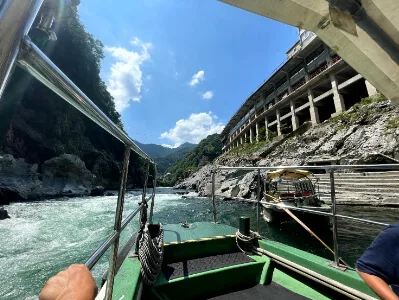
Upstream from Iya, these narrow gorges carved by the Yoshino River offer boat cruises, whitewater rafting (seasonal), and dramatic views from observation decks.
How to Get to the Iya Valley from Tokyo or Osaka
🚄 From Tokyo
Option 1: By Shinkansen + Local Train
- Take the Shinkansen from Tokyo to Okayama (~3.5 hours).
- Transfer to the JR Dosan Line bound for Oboke Station (~2 hours).
- From Oboke, take a local bus or rent a car to reach the Iya Valley.
Option 2: By Plane
- Fly from Tokyo Haneda to Takamatsu or Tokushima Airport (~1.5 hours).
- From there, take a train to Oboke or drive (~2 hours).
🚄 From Osaka / Kyoto
- Take the Shinkansen or Limited Express to Okayama (~1 hour).
- Then follow the same route as above via the JR Dosan Line to Oboke.
🧭 Tips
- Oboke Station is the main entry point to the valley.
- Buses are limited, so check schedules carefully or consider renting a car.
- Some guided tours offer direct transport from Takamatsu or Tokushima—recommended if you want a smoother trip.
Getting Around the Iya Valley
Once you arrive in the valley, exploring can be tricky—but that’s what keeps it so untouched.
🚗 By Car (Best Option)
Most visitors rent a car, either from Oboke Station, Takamatsu, or Tokushima.
- Roads are narrow, winding, and sometimes steep—but well maintained.
- Having a car gives you full flexibility to visit remote spots like Ochiai Village and hidden onsen.
- Parking is available near all major attractions.
🚌 By Bus
- Buses run from Oboke Station to Kazurabashi and Iya Onsen.
- Limited service: only a few departures per day, especially in off-season.
- Great for visiting one or two major sights, but not ideal for detailed exploration.
🚶♂️ On Foot or by Bicycle
- Some areas like Kazurabashi and nearby trails are walkable once you’re there.
- Cycling is possible on certain routes, but be aware of steep climbs and few bike rental shops.
- Great for slow travelers or those staying overnight.
Where to Stay in the Iya Valley
Hotel Iya Onsen
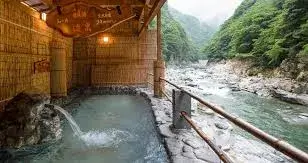
This onsen hotel is famous for its private cable car that takes guests down to open-air baths beside the Iya River. The scenery is stunning year-round, especially with autumn foliage or snow.
- 📍 Higashi-Iya, Miyoshi
- 💡 Room + dinner + breakfast plans available
- 📝 Perfect for a once-in-a-lifetime hot spring experience
Iya Valley Onsen Hotel Kazurabashi
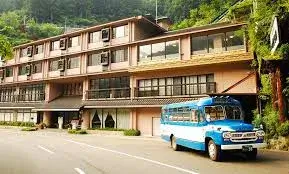
Closer to the famous vine bridge, this hotel combines easy access with a traditional ryokan atmosphere. Don’t miss their rotenburo (outdoor baths) with panoramic valley views.
- 📍 Near Kazurabashi Bridge
- 💡 Shuttle service from Oboke Station
- 📝 Great for those combining sightseeing with relaxation
Q&A – Iya Valley Travel Tips
Where is the Iya Valley located?
The Iya Valley is in western Tokushima Prefecture on Shikoku Island. It lies between the Oboke and Tsurugi mountain ranges, forming one of Japan’s most secluded regions.
How do I get from Tokyo to the Iya Valley?
Take the Shinkansen to Okayama, then transfer to the JR Dosan Line to Oboke Station. From Oboke, continue by bus or car into the valley. You can also fly into Takamatsu or Tokushima Airport, then transfer by train or rental car.
What is the nearest airport to the Iya Valley?
The closest airports are:
- Takamatsu Airport (Kagawa Prefecture)
- Tokushima Awaodori Airport (Tokushima Prefecture)
Both airports are around 2–2.5 hours from the valley by car or public transport.
How do you get around the Iya Valley?
Driving is the easiest way to explore. Buses are available but limited. Some areas are walkable or bike-friendly once you’re there, but distances between sites can be long and steep.
When is the best time to visit Iya Valley?
Autumn (October to mid-November) is the best time to visit Iya Valley. The mountain slopes explode with red, orange, and yellow leaves, creating one of Japan’s most breathtaking natural landscapes. The weather is crisp and clear—ideal for hiking, soaking in hot springs, and photography.
Other seasons also have their charm:
Winter is quiet and peaceful, though some roads may be closed due to snow
Spring brings fresh greenery and flowering trees
Summer is lush but humid, great for rafting and riverside stays
Visitor Info – Quick Facts & Travel Tips
Location
Iya Valley, Miyoshi City, Tokushima Prefecture (四国・徳島県三好市)
Access Summary
- 🚄 From Tokyo: Shinkansen to Okayama → JR Dosan Line to Oboke
- ✈️ From Airport: Takamatsu or Tokushima Airport → Car/train to Oboke
- 🚌 From Oboke: Local buses (limited) or rental car to valley sights
Recommended Stay
- Minimum: 1 full day (for Kazurabashi + onsen)
- Ideal: 2–3 days to explore villages, hike, and stay overnight
Pro Travel Tips
- Book accommodation early—options are limited
- Bring cash—some inns and small shops don’t take cards
- Prepare for mountain roads—drive slowly and don’t rely on Google Maps alone