

A floating shrine, sacred deer, and a whole island considered divine—welcome to Itsukushima, better known as Miyajima. Located in Hiroshima Bay, this small island has long been one of Japan’s most iconic destinations. Itsukushima Shrine, with its vermilion torii gate standing in the sea, has inspired poets, pilgrims, and photographers for centuries.
While the view at high tide is stunning, the island offers much more: forested mountain trails, traditional streets, and encounters with freely roaming deer. It’s a rare place where Japan’s spiritual heritage and scenic beauty live side by side.
Why Is Itsukushima Shrine Famous?
Itsukushima Shrine (厳島神社) is one of Japan’s most iconic and photogenic landmarks—famous for appearing to float on the sea. Built in the late 6th century and expanded in its current form by warlord Taira no Kiyomori in the 12th century, the shrine sits on stilts over the tidal flats of Hiroshima Bay. At high tide, it looks like it’s drifting atop the water.
This unique design symbolizes the sacred nature of the island: according to ancient beliefs, the entire island of Itsukushima is holy ground, and no ordinary person should set foot on it. To respect that, the shrine was constructed offshore—allowing worshipers to pray without violating the sacred land.
Why is it built in the water?
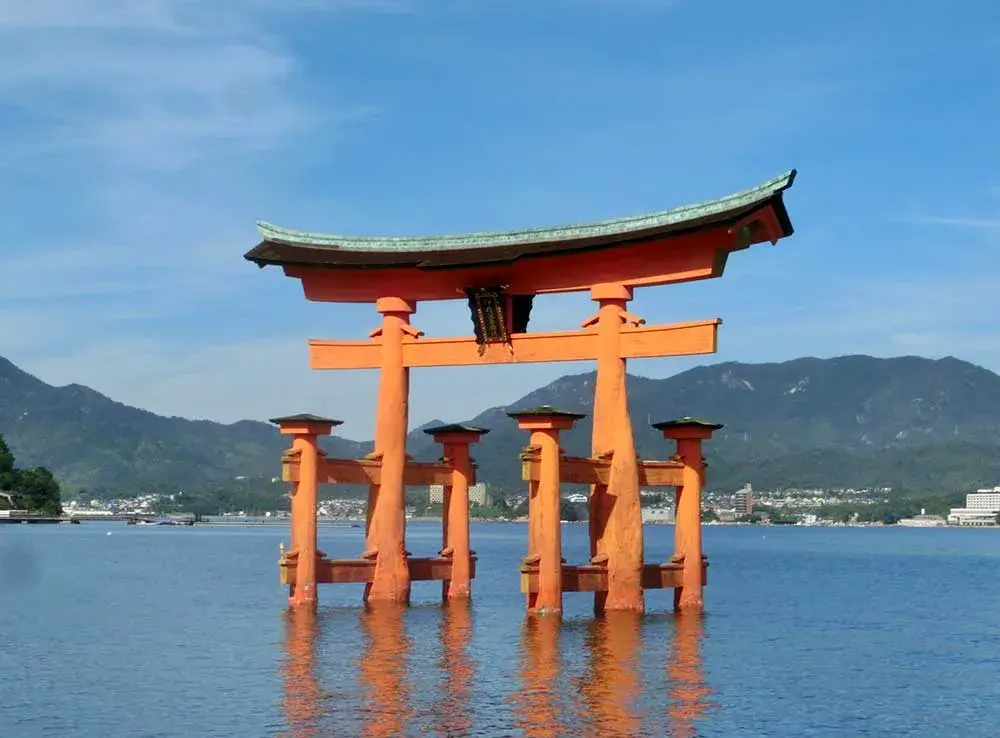
It’s not just for beauty. The shrine’s position reflects Shinto beliefs about purity and nature. The ever-changing tide is a reminder of nature’s rhythm, and the reflection of the torii gate and buildings on the water makes the shrine seem alive with the sea itself.
In 1996, Itsukushima Shrine was designated a UNESCO World Heritage Site, cementing its importance not just to Japan, but to world culture. It is also considered one of the Three Scenic Views of Japan (Nihon Sankei), alongside Matsushima Bay and Amanohashidate.

I arrived right at high tide, and it felt unreal. The shrine’s corridors looked like they were floating, and the torii gate shimmered in the waves. I just stood there in silence—it was one of those moments you never forget.
What’s the Difference Between Itsukushima and Miyajima?
Technically, the island is called Itsukushima (厳島), but almost everyone refers to it as Miyajima (宮島), which means “Shrine Island.” The nickname comes from Itsukushima Shrine itself—so central to the island that it gave rise to the popular name.
Historically, “Itsukushima” appears in official records, maps, and religious texts, while “Miyajima” became widely used by locals and travelers over the centuries. Today, both names are used interchangeably, but if you see “Miyajima,” it generally refers to the island as a destination, while “Itsukushima” often refers to the shrine or the spiritual concept.
When you buy ferry tickets or check maps, either name might appear. Don’t worry—they’re the same place!
What Is Special About Miyajima?
Miyajima is special not just because of Itsukushima Shrine, but because the entire island is considered sacred. For centuries, people believed that deities resided in the island’s mountains, forests, and waters. Even today, nature and tradition are deeply intertwined here.
Beyond the famous torii gate, you’ll find:
Deer Roaming Freely on the Island
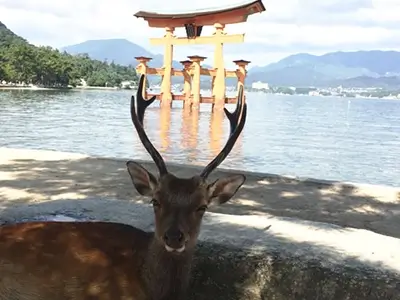
Miyajima is home to dozens of free-roaming deer that wander through the streets, temple grounds, and even the shopping areas.
Once considered sacred messengers of the gods, they’re now beloved by visitors—though you’ll want to hold onto your maps and snacks!
The Floating Torii Gate of Itsukushima Shrine
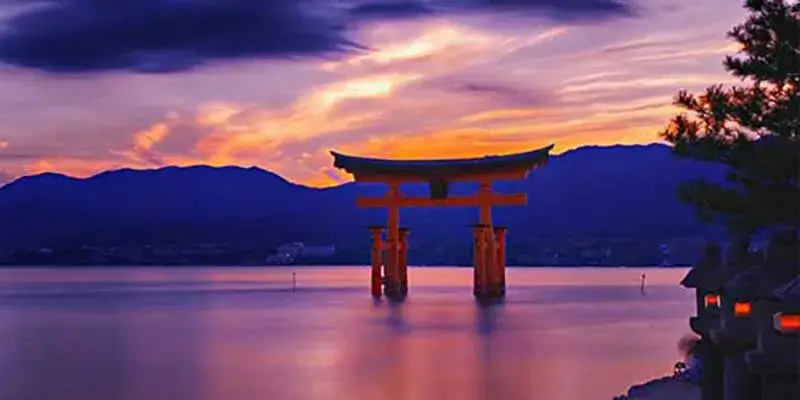
The giant vermilion torii of Itsukushima Shrine is one of the most photographed landmarks in Japan.
At high tide, it appears to float on the water, while at low tide, you can walk right up to its base. It’s beautiful at any hour, but sunset and sunrise are especially magical.
Mt. Misen & the Ropeway

For panoramic views of the Seto Inland Sea, take the ropeway up Mt. Misen.
From the summit, you can see as far as Shikoku on clear days. The mountaintop is also home to ancient temples and legends—and if you’re lucky, you may spot wild monkeys along the trail.
Local Street Food & Traditional Streets
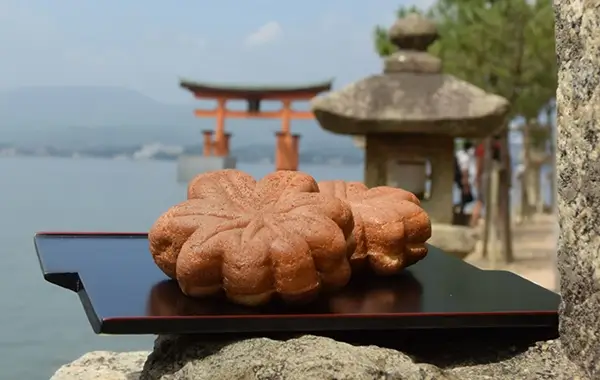
Miyajima’s Omotesando Street is full of local charm, with traditional wooden buildings housing sweet shops, cafes, and souvenir stands.
Be sure to try the island’s signature snack: momiji manju, maple-leaf-shaped cakes filled with red bean paste. Grilled oysters are another favorite.
Whether you’re watching the sunrise over the floating torii or wandering quiet backstreets, Miyajima offers a unique balance of spiritual calm and cultural richness.
How to Get to Miyajima from Hiroshima
Step 1: Train to Miyajimaguchi
From Hiroshima Station, take the JR Sanyo Line to Miyajimaguchi Station (about 25 minutes). Alternatively, you can take the Hiroden streetcar, which is slower (about 70 minutes) but scenic.
Step 2: Ferry to Miyajima
From Miyajimaguchi Pier, take a ferry across the bay:
• JR Ferry (covered by Japan Rail Pass): departs every 15 minutes
• Miyajima Matsudai Ferry: similar schedule and price (around ¥360 one-way)
The ferry ride takes about 10 minutes and offers your first view of the floating torii gate—especially impressive at high tide.
How Much Does It Cost to Visit?
🎫 Shrine Admission
Visiting the outer grounds of Itsukushima Shrine is free, but to enter the main halls and walk through the corridors, there is a small admission fee:
- Adults: ¥300
- High school students: ¥200
- Children: ¥100
🚢 Ferry to Miyajima
To reach the island, you’ll need to take a ferry from Miyajimaguchi Pier. There are two main options:
- JR Ferry (covered by Japan Rail Pass)
- Miyajima Matsudai Ferry Round-trip fare is about ¥360 one-way.
🚠 Mt. Misen Ropeway
If you plan to explore Mt. Misen, the ropeway is the easiest way up:
Round-trip fare: ¥2,000 for adults, ¥1,000 for children
Combination tickets are not available, but everything is walkable once you’re on the island.
Visitor Tips & Best Time to Go
🌅 Best Time to Visit
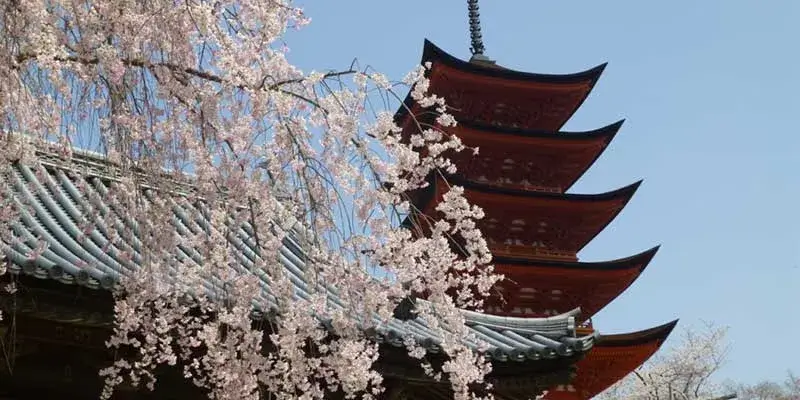
• Spring (late March – early April): Cherry blossoms around the shrine and Mt. Misen make for stunning views.
• Autumn (late October – early November): Maple trees in Momijidani Park turn brilliant red and orange.
• Early morning or sunset: These times offer fewer crowds and the best light for photos—especially when the torii gate reflects on the water.
🌊 Check the Tides
The shrine’s famous “floating” effect depends on the tide. At high tide, the torii gate appears to float on the sea. At low tide, you can walk out to its base. Check the tide schedule in advance for your preferred experience.
🦌 Be Deer-Smart
Miyajima’s deer are friendly—but curious! They may try to nibble on paper, bags, or even maps. Feeding them is not allowed, so keep your belongings secure.
Visitor Info
📍 Location
Itsukushima Shrine is located on Miyajima Island, in Hiroshima Bay. The island is part of Hatsukaichi City, Hiroshima Prefecture.
🕒 Shrine Hours
• Opening: 6:30 AM (varies slightly by season)
• Closing: Around 5:00 PM
• Note: Opening hours may be extended during festivals or peak seasons.
💴 Admission
• Main shrine area: ¥300 (adults), ¥200 (students), ¥100 (children)
• Free access to the outer shrine grounds and paths
📅 Seasonal Closures
• Open year-round
• May close partially during severe weather or restoration work
🌐 Languages
• English signs available throughout the island
• Audio guides or multilingual pamphlets often provided at the shrine
Last updated: December 2025