
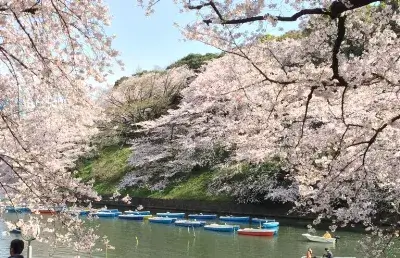
Flowing gracefully alongside the Imperial Palace’s eastern edge, Chidorigafuchi (千鳥ヶ淵) represents one of Tokyo’s most breathtaking cherry blossom viewing spots and a year-round oasis of natural beauty in the heart of Japan’s capital. This 700-meter-long moat, named for its resemblance to plover birds in flight (“chidori” meaning plover), offers visitors a uniquely serene experience combining historical significance, natural splendor, and quintessential Japanese seasonal aesthetics.
A Waterway Steeped in History and Beauty
Originally part of the Edo Castle’s defense system during the Tokugawa shogunate, Chidorigafuchi has transformed from a practical fortification into one of Tokyo’s most beloved public spaces. The moat’s distinctive shape and the careful preservation of its surroundings create a natural amphitheater that showcases Japan’s famous cherry trees in their most spectacular display each spring. The contrast between the ancient stone walls and the delicate blossoms creates a poetic dialogue between Japan’s martial past and its enduring appreciation for transient beauty.

Caede’s Historical Perspective:
“As you walk along the moat, you’re tracing the same waterways that once protected the shogun’s castle. The massive stones lining the banks are original to Edo Castle, while the cherry trees represent a more recent but equally important layer of Tokyo’s identity. This harmonious blend of historical preservation and living natural beauty exemplifies Japan’s unique approach to honoring both past and present. For those interested in Tokyo’s historical layers, I recommend also exploring the Imperial Palace grounds nearby.”
The Cherry Blossom Spectacle
Chidorigafuchi achieves legendary status each spring when approximately 260 cherry trees burst into bloom along its banks. The sight of these delicate sakura blossoms reflected in the moat’s tranquil waters, framed by the ancient stone walls and modern city skyline, creates one of Tokyo’s most iconic seasonal images. What sets this location apart is the opportunity to experience the blossoms from both land and water perspectives.
Unique Viewing Experiences:
- Boat Rentals: Rowboats available during cherry blossom season for water-level viewing
- Illumination Events: Evening light-ups transform the blossoms into magical displays
- Walking Path: The well-maintained path offers continuously changing perspectives
- Bridge Vantage Points: Several bridges provide elevated views of the blossom corridor
Caede’s Cherry Blossom Strategy:
“For the ultimate Chidorigafuchi experience, visit during the evening illumination (typically 6:00 PM to 10:00 PM during peak bloom). The reflections of illuminated blossoms on the water are simply magical. Arrive early to secure a boat if you wish—they’re immensely popular and often have wait times. For alternative cherry blossom experiences, consider Shinjuku Gyoen for variety or Ueno Park for festival atmosphere.”

A Year-Round Destination
While famous for cherry blossoms, Chidorigafuchi offers beauty throughout the seasons. Summer brings lush green canopies and boaters enjoying the shaded waters. Autumn transforms the area with vibrant foliage, particularly the maple trees that create a brilliant contrast against the stone walls. Winter offers stark, elegant beauty, with occasional light dustings of snow creating picturesque scenes worthy of traditional Japanese paintings.
Seasonal Highlights:
- Spring: Cherry blossoms (late March to early April) and new greenery
- Summer: Lush foliage and traditional bonbori lantern displays
- Autumn: Vibrant koyo (foliage) displays from late November
- Winter: Illumination events and serene, contemplative atmosphere

Caede’s Off-Season Recommendation:
“Don’t overlook Chidorigafuchi outside cherry blossom season! Autumn here is particularly spectacular when the maple trees turn brilliant crimson and gold. The crowds are smaller, and you can appreciate the moat’s architectural details more clearly. It’s also wonderfully peaceful on weekday mornings throughout the year—perfect for photographers or anyone seeking quiet reflection near Tokyo’s center.”
Frequently Asked Questions
Q: When is the best time to see cherry blossoms at Chidorigafuchi?
A: Typically late March to early April, but exact timing varies yearly. Check the Japan Meteorological Corporation’s sakura forecasts for current year predictions. Peak bloom usually lasts 4-7 days.
Q: How much does boat rental cost during cherry blossom season?
A: Rowboats cost approximately 800 yen for 30 minutes (prices may vary). Cash is typically required. During peak season, arrive early as boats are rented on a first-come, first-served basis.
Q: Is Chidorigafuchi accessible for wheelchair users?
A: The main walking path along the moat is paved and accessible, though some sections have gentle slopes. Boat facilities may have accessibility limitations.
Q: Are food and drinks available nearby?
A: During cherry blossom season, food stalls (yatai) sell traditional festival foods. Year-round, the surrounding Chiyoda ward has numerous cafes and restaurants, particularly near Tokyo Station area.
Q: How crowded does it get during peak season?
A: Extremely crowded during cherry blossom peak, especially evenings and weekends. For a more peaceful experience, visit on weekday mornings or consider visiting during off-peak seasons.
Practical Visitor Information
📍 Access:
- Kudanshita Station (Tokyo Metro) – 5 minute walk
- Hanzomon Station (Tokyo Metro) – 5 minute walk
- Ichigaya Station (JR Sobu Line) – 10 minute walk
⏰ Best Viewing Times:
- Cherry Blossom Season: Early morning or weekdays to avoid largest crowds
- Boat Rental Hours: Typically 9:00 AM to 8:30 PM during cherry blossom season
- Illumination Period: Usually late March to early April, 6:00 PM to 10:00 PM
💴 Costs:
- Walking Path: Free access year-round
- Boat Rental: Approximately 800 yen per 30 minutes during cherry blossom season
- Special Events: Most illumination events are free to view
Essential Tips for Visitors:
- Wear comfortable walking shoes—the path extends approximately 2 kilometers
- Bring cash for boat rentals and food purchases during festivals
- Photography is permitted throughout the area
- Respect the peaceful atmosphere and other visitors’ experiences
- Check official websites for current season information before visiting
Nearby Attractions and Connections
Chidorigafuchi’s central location makes it ideal for combining with other Tokyo experiences:
Imperial Palace Connections
The moat directly connects to the Imperial Palace East Gardens, allowing visitors to seamlessly transition from natural beauty to historical exploration.
Yasukuni Shrine Area
Located nearby, this controversial but historically significant shrine features its own beautiful gardens and the Yushukan military museum.
Government District
The surrounding area includes Japan’s Diet Building and numerous government ministries, offering insight into modern Japan’s political center.

Caede’s Perfect Day Combination:
“Start your morning at the Imperial Palace East Gardens, then walk along Chidorigafuchi’s path toward Kudanshita. After enjoying the moat views, visit the nearby Tokyo National Museum in Ueno or explore the fashionable Ginza district. This combination offers historical, natural, and contemporary Tokyo experiences all within easy access via Tokyo’s efficient public transportation.”
Cultural Significance and Preservation
Chidorigafuchi represents more than just a beautiful location—it embodies Japan’s cultural values of seasonal appreciation (kisetsukan) and the aesthetic concept of mono no aware (the awareness of impermanence). The cherry blossoms’ brief but spectacular bloom serves as an annual reminder of life’s transient beauty, a theme deeply rooted in Japanese philosophy and art.
The careful maintenance of this historic waterway also demonstrates Tokyo’s commitment to preserving green spaces and historical features within its rapidly developing urban landscape. The moat serves as an important habitat for urban wildlife while providing residents and visitors alike with a vital connection to nature in the city’s heart.
Environmental and Community Role
- Urban wildlife habitat supporting birds, fish, and aquatic plants
- Temperature regulation through its water body and tree canopy
- Community gathering space for seasonal celebrations and daily exercise
- Educational resource about historical preservation and urban ecology
Caede’s Environmental Appreciation:
“Beyond its visual beauty, Chidorigafuchi serves as a living lesson in urban sustainability. The moat’s ecosystem supports diverse life, while the cherry trees participate in Tokyo’s vital urban forest network. This integration of historical preservation, environmental function, and public enjoyment represents a model for cities worldwide. For visitors interested in Japan’s environmental approaches, consider exploring traditional Japanese gardens like those in Kyoto, which embody similar principles of harmony between human design and natural beauty.”

Special Events and Annual Traditions
Cherry Blossom Festival
Held annually during peak bloom, featuring evening illuminations and traditional food stalls.
Boat Rental Season
Typically available during cherry blossom period and sometimes during autumn foliage season.
Seasonal Photography Events
Regularly organized by photography groups and cultural organizations.
Traditional Hanami Parties
While large organized parties are less common here than in parks like Ueno, small respectful gatherings occur throughout the season.
Visitor Services and Facilities
- Clean public restrooms available at nearby stations and parks
- Information boards with historical and seasonal details in Japanese and English
- Benches and resting areas along the walking path
- Nearby convenience stores and cafes for refreshments

Caede’s Final Reflection:
“Chidorigafuchi captures something essential about Tokyo—its ability to maintain profound beauty and historical continuity amidst constant change. Whether you’re gliding beneath cherry blossoms in a rented boat, capturing the perfect photograph of illuminated branches against dark water, or simply walking quietly along the ancient stone walls, this special place offers connection to both Tokyo’s past and its living present. It reminds us that even in one of the world’s largest cities, moments of natural wonder and peaceful contemplation are always close at hand, waiting to be discovered along a historic moat turned into a corridor of seasonal magic.”