
information
Would you like to get handy travel tips for Japan and learn more about Japanese culture, food, history, subcultures, daily life, and more? This information guide will help you out!
-
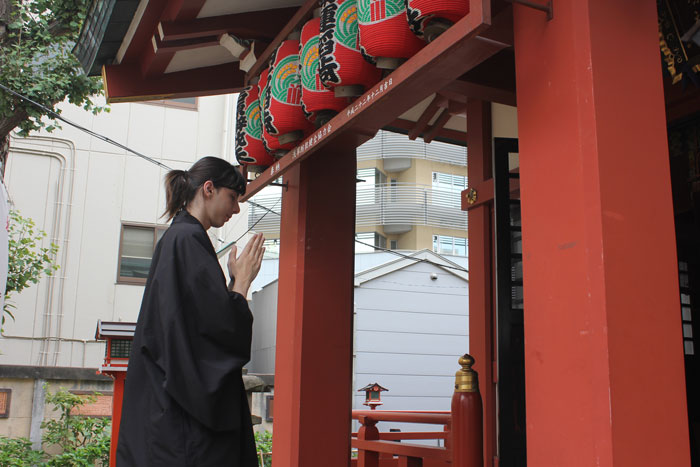
How to Pray at Shinto Shrine
Shinto means worshiping ancestors as guardians of the family, and it also symbolizes showing respect for the kami, who reside in the natural world and in shrines. How to pray at a Shinto shrine?
-

Convenient stay in a capsule hotel
Capsule hotels opened for the first time in 1979 in Osaka in the bustling district of Umeda. They became a popular place to crash for salarymen who missed the last train.
-
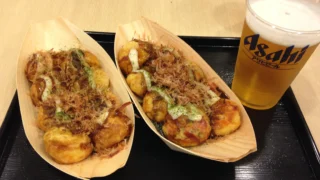
Popular Japanese Dishes from Osaka
To Japanese people, Osaka is known as the capital of gastronomy. Some of Japan’s most popular dishes were born and bred in Osaka and spread out into the rest of the country from here.
-
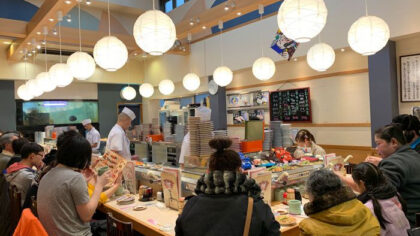
The Sushi Train: Kaiten Sushi | Easy and delicious Japanese sushi
Sushi has been the most popular Japanese food worldwide ever since the California Roll was invented in the United States. The inside-out roll was created by a Japanese chef in the 1960’s. But how do they eat sushi in Japan?
-

Kansai Airport Transfer | one of Japan’s Leading Airports
If you book a tour package through us, in many cases the transfers to your hotel and back to the airport are included with your tour. If a transfer is not included in your package, if you would like to hire a charter minibus for a comfortable transfer to your hotel please let us know…
-
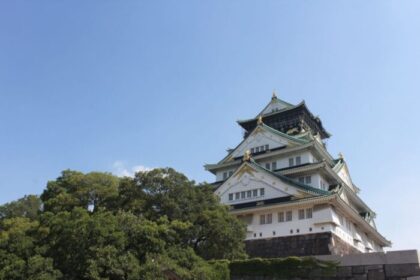
History of Port City Osaka Rich in Diversity
Osaka has a long history, during which the area has always served as a place where traders from all over Asia and later the world are intermingling with Japanese people.
-
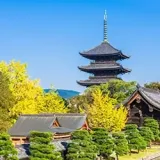
The History of Kyoto / Japan’s Former Capital
Kyoto’s history is a long one, it all started in the 8th century. The city was built as the capital of Japan in that time and was home to the Imperial Court until 1868 when it moved to Tokyo
-
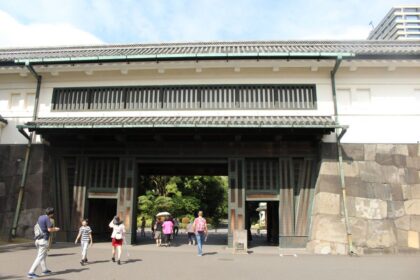
History of Tokyo as a Metropolis | Travel Guide
What became today’s largest metropole in the world started out as a small town in the 13th century and became a small castle town in the 15th century. Then the feudal lords started fighting out a war that would change the course of Edo’s history forever.
-

Hiroshima Toro Nagashi | Beautiful scenery and wishes for peace
Every August 6th, the first atomic bombing in history is commemorated in the city of Hiroshima. In the evening, a beautiful lantern festival is held at the Atomic Bomb Dome. This is the Toro Nagashi matsuri.
-

Wagashi Sweets | Beautiful and delicate taste
Wagashi are Japanese sweets that look more like a piece of art than something to eat. Wagashi have a very long history that goes back more than 2000 years.
-

Winter in Japan offers many ways to enjoy it
Although Japan welcomes most tourists in spring and summer, for those who are looking for a more quiet time and a different kind of experience, winter can be a great time to discover Japan.
-
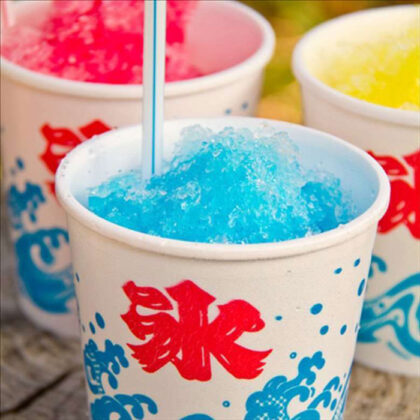
Japanese Summer offer a Variety of Ways to Enjoy them
While during wintertime people in Japan tend to stay indoors where it is cozy and warm and many of the streets are deserted or much more quiet than usual, summer is the liveliest season in the country of the rising sun.
-
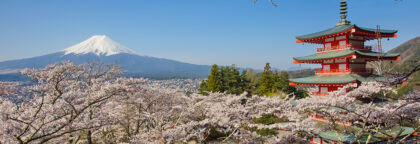
Beautiful Flowers of Japanese Spring
The most popular season to travel to Japan is spring as this season is spectacular in many ways.
-

Abura Soba | The best soup-less noodles only available in Japan
Did you know that in Japan, there are many varieties of noodles to choose from? Abura soba is one of those types of noodles that hasn’t yet become famous in the rest of the world, but surely will one day.
-
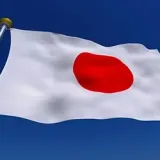
Flag of Japan, Land of the Rising Sun
The national flag of Japan is officially called ‘Nisshoki’, which means ‘Flag of the Sun symbol’, although colloquially it is known as ‘Hinomaru’ which means ‘Circle of the Sun’. It is the most important symbol of Japan.
-

Anime | the One and Only Genre Produced in Japan
The history of the anime goes back to 1907 when many Japanese artists were influenced by Western animation and decided to create specific national content for Japan. At that time this was very difficult because materials were expensive
-
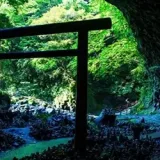
Shinto Goddess Amaterasu Omikami who is considered the Creator
Amaterasu is the incarnate goddess as the Sun that governs the Universe and the main deity of Japanese Shinto. It is believed that the royal family of Japan descends directly from this important goddess.
-
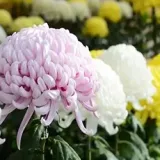
The National Flower of Japan | Culture Guide
Chrysanthemums first came to Japan from China in the fifth century. Chrysanthemum cultivation began in Japan during the Nara and Heian periods (710-1185) when the flower was planted throughout Japan.
-

Pheasant | Japan’s beautiful national bird
The national bird of Japan is the green pheasant, named ‘Kiji’ in Japanese. It was declared the National Bird in 1947. The Kiji has been featured in many legends, mythology, poetry, and paintings.
-
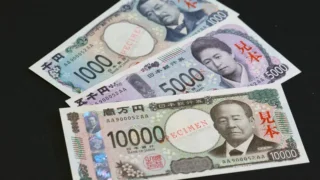
How To Get Cash in Japan
Unlike what many people would expect from a modern country like Japan, cash, as opposed to credit cards or other electronic means of payment, is still quite essential.