
Traditional Japanese Culture
-
The Perfect Shirakawa-go Travel Guide – Gassho Houses & Winter Magic
Tucked away in the mountains of Gifu Prefecture, Shirakawa-go is one of Japan’s most iconic rural destinations. Famous for its gassho-zukuri farmhouses—steep thatched roofs designed to shed heavy snow—it’s a place where time slows down and tradition lives on.The village is listed as a UNESCO World Heritage Site, and draws visitors year-round for its fairytale-like…
-

Yokai | Scary and Cute Japanese Monsters
Do you like slightly unsettling and scary folk tales? Japan has plenty of them. Let us introduce 3 famously eerie Japanese yokai monsters to you!
-
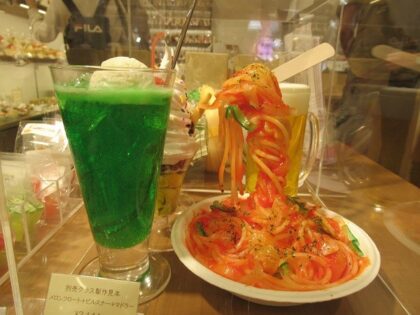
Discover Japan’s Amazing Plastic Food Samples
Elaborately made food samples in Japan’s restaurant windows help you decide if you want to eat there. Did you know that you can buy them as a souvenir or even try to make them yourself?
-
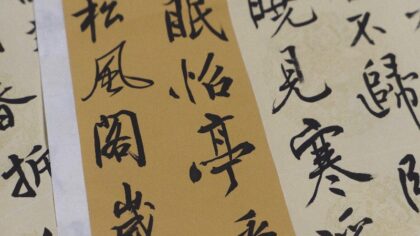
Calligraphy in Japan | Beautiful and dynamic expression
Known as “shodo,” Japanese calligraphy is a timeless art form. Discover its historical roots and how it continues to shape modern culture.
-

Why Do People Remove Shoes in Japan?
Removing your shoes before entering a house or building is not only hygienic, in Japan, it is much more than a simple custom. Learn more about the history behind this rule, and the right way to go about it.
-
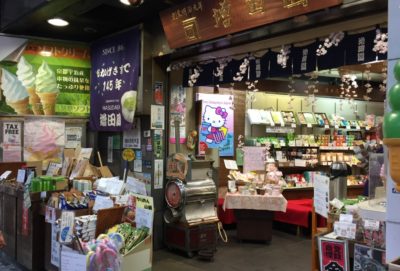
Omiyage | The Chic Tradition of Japanese Souvenirs
Omiyage are tasty locals souvenirs from Japan that were first used to thank trip financers for their contributions in the Edo period and then helped straying spouses stay on the straight and narrow. Find out how this worked!
-

Funeral Rites Unique to Japan
A funeral in Japan is held in Buddhist style. There are a wake, farewell service, cremation, ensepulcher, etc. You are supposed to bring condolence money to attend the ceremony.
-
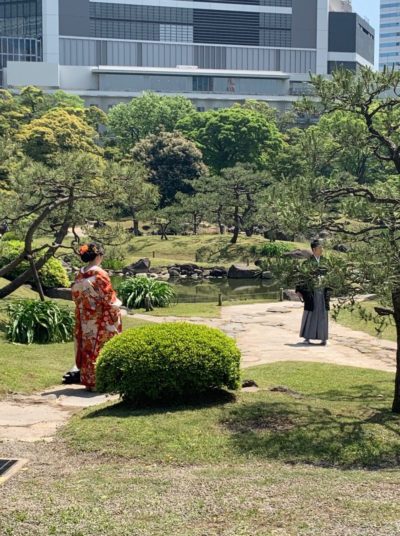
Beautiful and Historic Japanese Garden Landscape
How did Japanese gardens develop? And how can we appreciate Japanese gardens? Find out more about Japanese gardens.
-
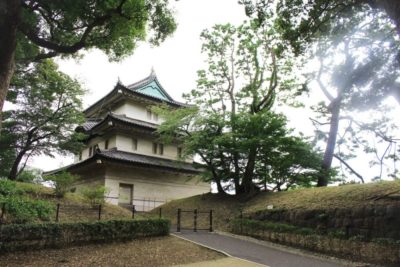
The Japanese Emperor is the Oldest Hereditary Monarchy in the world
Learn more about the history of the Imperial Family of Japan and the lives of the current royals!
-
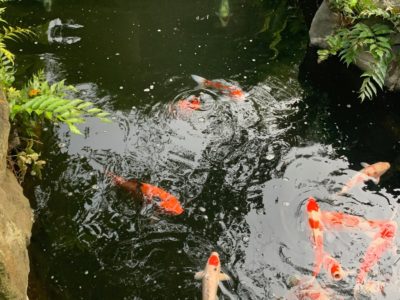
Beautiful Koi fish | a Symbol of Longevity and Strength
Originally from China, it was the Japanese who created koi fish’ beautiful coloring that made them so popular. Where can you see these carps in Japan? And is it possible to visit a koi farm?
-
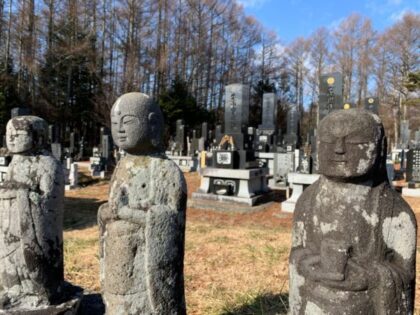
Japanese Tanka Poetry | Beautiful Japanese Music
Tanka is uniquely Japanese poetry that was perfected at the beginning of the seventh century.
-
Happy Culture Day in Japan
November 3 is Culture Day in Japan. On this day, festivals are held around the country, celebrating traditional Japanese art. What can you expect to see if you are in Japan at that time?
-
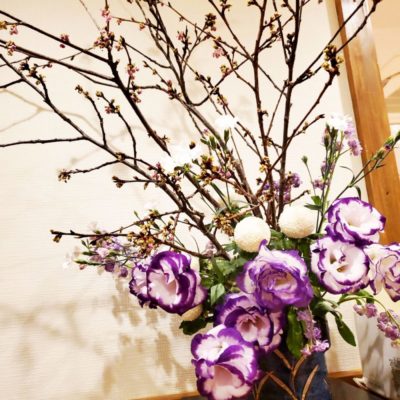
Ikebana, a Japanese Art form with a Long History and Elegance
It was in the 14th century that Ikebana arose in Japan when people started arranging the flowers that they offer to Buddha statues. Its concept developed from the desire to express religious feelings in connection with Buddhism.
-
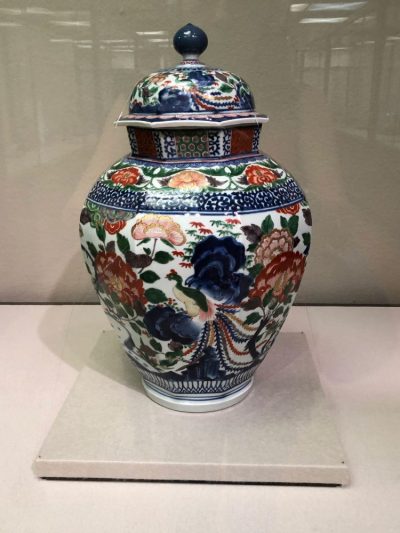
Japanese Ceramics and Lacquerware with Great Materials and Beautiful Design
Japanese ceramics and lacquerware are very popular household goods throughout the world. Find out more about these wonderful crafts from Japan.
-
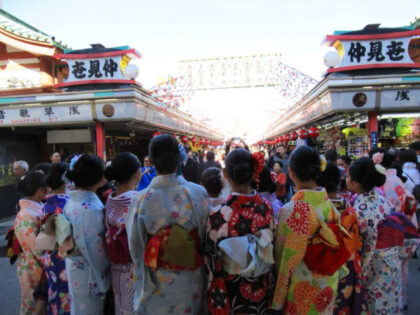
New Years Day in Japan (Hatsumode)
Each year, January 1st dawns in Japan with crowds of people visiting temples and shrines to pray for prosperity in the year ahead. Learn more about this important first day of the year!
-
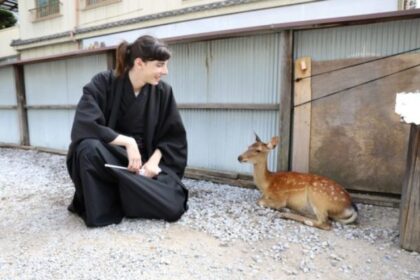
Hakama | A beautiful kimono to wear on the big day
While most foreigners know about kimono, another traditional Japanese garment called hakama is not that known amongst most foreign visitors in Japan. A hakama are the skirt-like pants that are worn over a kimono.
-
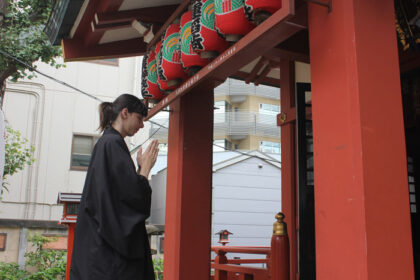
How to Pray at Shinto Shrine
Shinto means worshiping ancestors as guardians of the family, and it also symbolizes showing respect for the kami, who reside in the natural world and in shrines. How to pray at a Shinto shrine?
-
Flag of Japan, Land of the Rising Sun
The national flag of Japan is officially called ‘Nisshoki’, which means ‘Flag of the Sun symbol’, although colloquially it is known as ‘Hinomaru’ which means ‘Circle of the Sun’. It is the most important symbol of Japan.
-
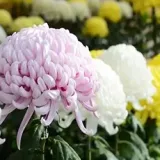
The National Flower of Japan | Culture Guide
Chrysanthemums first came to Japan from China in the fifth century. Chrysanthemum cultivation began in Japan during the Nara and Heian periods (710-1185) when the flower was planted throughout Japan.
-
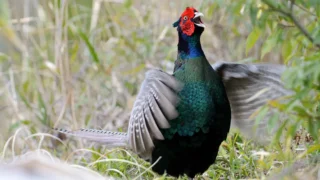
Pheasant | Japan’s beautiful national bird
The national bird of Japan is the green pheasant, named ‘Kiji’ in Japanese. It was declared the National Bird in 1947. The Kiji has been featured in many legends, mythology, poetry, and paintings.