

history
-
Hōtō – Yamanashi’s Signature Noodle Soup | Japanese Food Guide 2026
What is Hōtō? Hōtō (ほうとう) is a traditional noodle soup from Yamanashi Prefecture, especially popular around the Mt. Fuji and Kawaguchiko area. It’s made with thick, flat noodles simmered in a hearty miso-based broth, along with local seasonal vegetables like pumpkin, mushrooms, carrots, and sometimes even wild greens.Unlike udon, hōtō noodles are made without salt,…
-
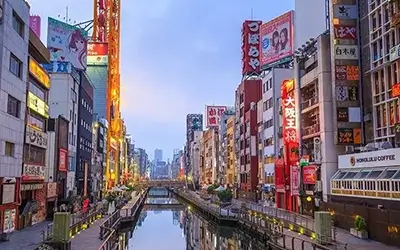
Discover Dotonbori : Osaka’s Food & Fun Wonderland
The lively entertainment area of Dotonbori is the most famous tourist destination in Osaka and famous for its striking neon lights, its extravagant signage, and huge variety of restaurants and bars.
-
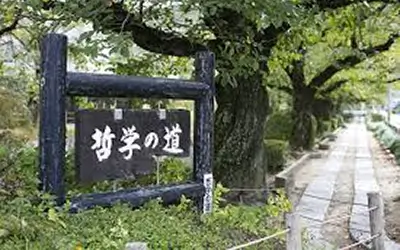
Philosopher’s Path (Tetsugaku no Michi)
What Is the Philosopher’s Path? The Philosopher’s Path (Tetsugaku no Michi) is a scenic 2-kilometer walkway that runs alongside a cherry tree-lined canal in Kyoto’s Higashiyama district. Named after the famous Kyoto University philosopher Nishida Kitaro, who used the path for daily meditation walks, it offers a calm and contemplative escape from the city bustle.…
-
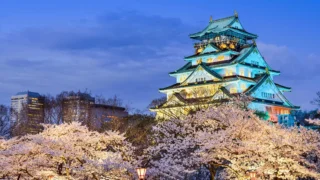
Osaka Castle: The Golden Guardian of Japan’s History
Discover Osaka Castle, the golden symbol of Osaka’s history. Complete visitor guide to the castle museum, seasonal gardens, historical significance, and practical tips for your visit.
-

Hachiko: The Faithful Dog Who Captured the World’s Heart
Meet Hachiko, the faithful Akita dog whose unwavering loyalty made him a national symbol. Learn the touching true story behind Shibuya’s most popular meeting spot and why this remarkable dog continues to inspire millions of visitors from around the world.
-
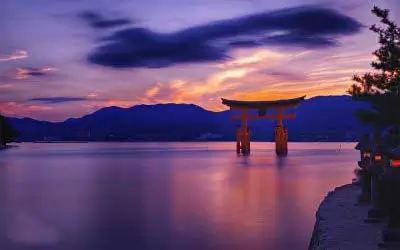
Itsukushima Shrine Travel Guide
A floating shrine, sacred deer, and a whole island considered divine—welcome to Itsukushima, better known as Miyajima. Located in Hiroshima Bay, this small island has long been one of Japan’s most iconic destinations. Itsukushima Shrine, with its vermilion torii gate standing in the sea, has inspired poets, pilgrims, and photographers for centuries.While the view at…
-

Hiroshima Travel Guide
Hiroshima is a name the world will never forget. On August 6, 1945, it became the site of the first atomic bombing in history. But what’s just as remarkable as its tragic past is how far the city has come since. Today, Hiroshima is a vibrant, welcoming destination where history, peace, and modern culture coexist.…
-
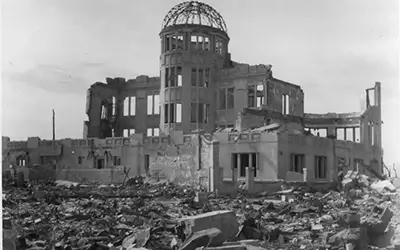
Atomic Bomb Dome
A skeletal dome standing silently by the river—it’s one of the most haunting and powerful images in all of Japan. The Atomic Bomb Dome, or Genbaku Dome, is the preserved ruin of a building that stood just 160 meters from the epicenter of the world’s first nuclear attack. On August 6, 1945, Hiroshima was devastated…
-

Hiroshima Peace Memorial Park
Hiroshima Peace Memorial Park isn’t just a place to visit—it’s a place to reflect. Built on the site most devastated by the atomic bombing in 1945, this park now stands as a symbol of hope, remembrance, and peace. Stretching across the heart of Hiroshima, the park is home to iconic landmarks like the Atomic Bomb…
-
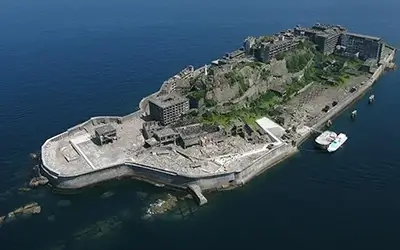
Gunkanjima (Hashima Island)
What is Gunkanjima? Gunkanjima, or Hashima Island, is a small, abandoned island off the coast of Nagasaki. From a distance, it looks like a battleship—so people started calling it “Gunkanjima,” which means “Battleship Island” in Japanese. The island has a powerful history. It once had a busy coal mine run by Mitsubishi. In the 1950s,…
-
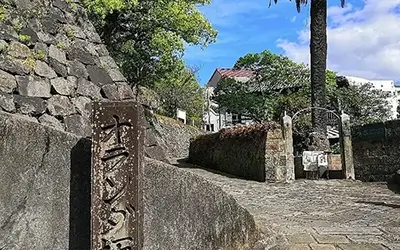
Dutch Slope
What is Dutch Slope (Orandazaka) in Nagasaki? Dutch Slope, or Orandazaka (オランダ坂), is a quiet stone path in Nagasaki’s Higashi-Yamate area. It got its name because many Westerners lived nearby in the 1800s—not just Dutch people, but also British and American traders.Today, you can still walk past old Western-style houses, ivy-covered walls, and scenic corners.…