
Japan Travel Guide
-
Kumano Kodo | Walkable and beautiful world heritage
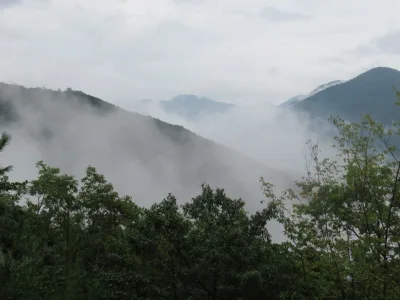
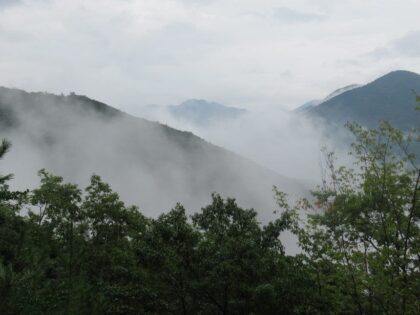
The Kumano Kodo is an impressive pilgrimage route in the Kii Mountains with a total length of around 1000km. The routes radiate centering around the Kumano Three Shrines; Hongu, Hayatama, and Nachi.
-
Kobe: Where International Elegance Meets Natural Majesty
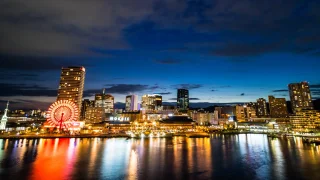
Experience Kobe, Japan’s sophisticated port city blending international heritage with natural beauty. Discover world-famous Kobe beef, spectacular night views from Mount Rokko, historic Kitano district, and coastal charm in this complete travel guide.
-
Ashikaga Flower Park | Beautiful seasonal flowers and illumination
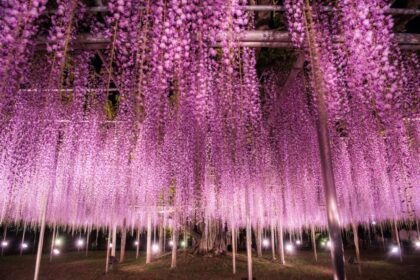
The Ashikaga Flower Park has wisteria trees that are 130 years old, and in spring the flowers are at their best. This gorgeous park is very popular with visitors from all over Japan.
-
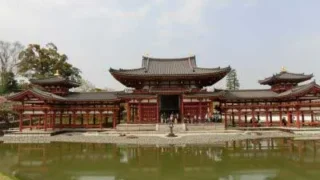
Byodoin Temple with its shining golden phoenix
The Byodoin temple is the most famous landmark in a part of Kyoto that is especially known for its green tea production, Uji. The image of the temple is very well-known throughout Japan.
-
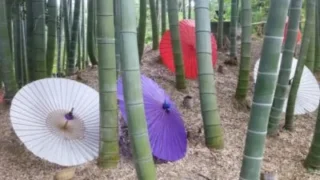
Kodaiji Temple, Kyoto | Beautiful landscape gardens and decorations
Kodaiji Temple is located in Higashiyama. It was founded in 1605 by Kita-no-Mandokoro as a memorial to her husband, Toyotomi Hideyoshi, who was one of the most important men of his time.
-
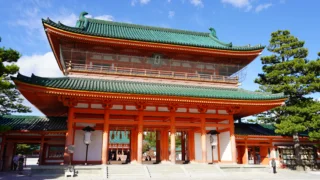
Heian Jingu, Kyoto | Travel back in time to the Heian Period
The Heian Jingu shrine was instituted in 1895 to commemorate the 1,100-year anniversary of the return of the capital to Heian, which is today’s Kyoto. Its architecture is impressive.
-
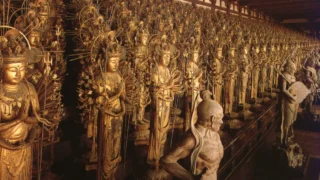
Sanjusangendo, Kyoto | Thousand golden-colored statues of the Avalokitesvara Bodhisattva
The Sanjusangendo temple in Kyoto was established by the powerful warrior-politician Taira-no-Kiyomori in 1164, and it is especially famous for its 1001 statues.
-
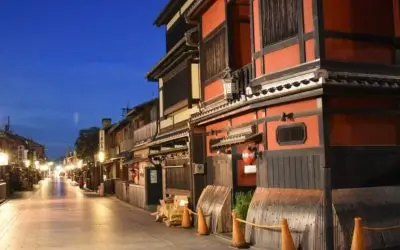
Gion | Travel back in time to the Edo period
Gion is the place where the famous geisha, the cultural symbol of Japan, are still doing their work every night. Geisha literally means ‘artist’, although in Kyoto they are called ‘geiko’ which means ‘woman of art’.
-
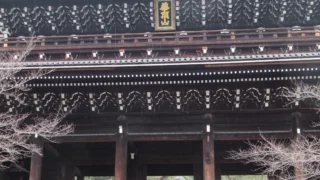
Chionin Temple, Kyoto | The largest wooden gate in Japan
The Chion-in temple in Kyoto is a Buddhist temple and is the home of Jo-do Buddhism. It was founded in the 12th century, and besides its historical significance, there are a few other reasons why this is an interesting temple to visit!
-
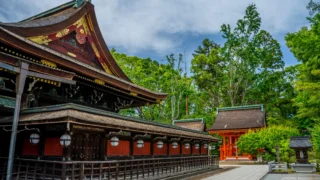
Kitano Tenmangu Shrine, Kyoto | Experience the beautiful seasonal precincts and the god of learning
The shrine of Kitano Tenmangu was built in the 10th century by the emperor of the time in honor of a scholar and politician. Now, it is especially known for its popular flea market.
-
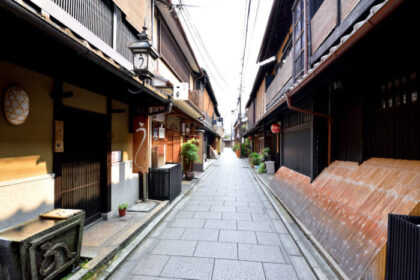
Machiya, Kyoto | Beautiful old-fashioned architecture with natural materials
A ‘machiya’ is a traditional wooden house that is especially typical of Kyoto city. It was the artisans and merchants of the cities who lived in machiya.
-
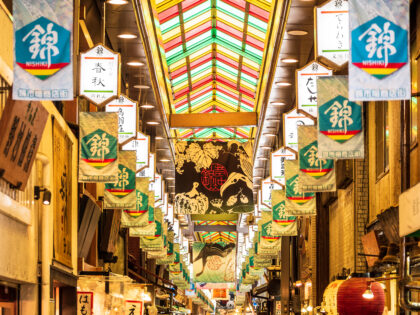
Beautiful Nishiki Market supports Kyoto’s food culture
The best way to learn about everyday Japanese life and what people like to cook at home is to visit one of its many food markets. Nishiki Market is in the center of Kyoto, and a popular market to visit for tourists.
-
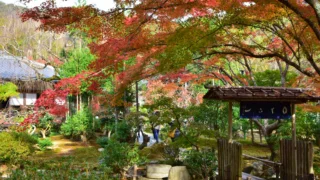
Ryoanji Temple,Kyoto | Beautiful stone garden and a temple where a dragon sleeps
Ryoan-ji is a Zen temple located in Kyoto which was built by a minister of the Ashikaga Shogunate in 1450. The temple is especially famous for its stone landscape garden.
-
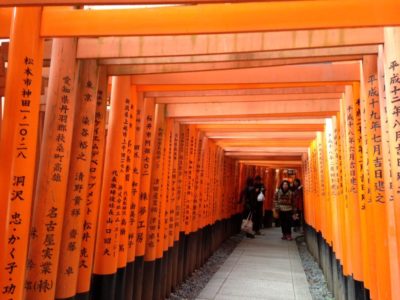
Fushimi Inari Taisha, Kyoto | The most beautiful thousand torii gates in the world
Known worldwide for its more than 10,000 torii gates in a row, the Fushimi Inari Taisha shrine attracts around 3 million visitors the first three days of the year alone and is one of the most famous attractions of Kyoto.
-
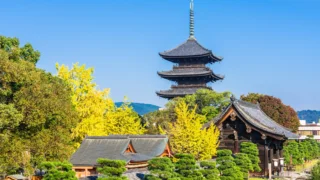
Toji Temple, Kyoto | Five-story pagoda and beautiful scenery
Toji means Eastern Temple, and this temple in Kyoto has a very long history. The religious foundations of Kyoto were laid here, and Buddha has protected the city from where Kukai founded the temple since 796.
-
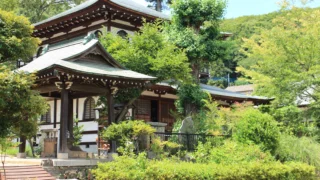
Ginkakuji Temple, Kyoto | Beautiful gardens and rustic beauty
Ginkakuji (Silver Pavilion) was constructed by a shogun from the 15th century. You can still see his quest for beauty in the Ginkakuji, even after 500 years.
-
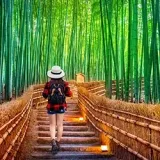
Kyoto City, Kyoto | A city full of beautiful nature and Japanese history
Kyoto is often called “the heart of Japan” and it is said that it would be impossible to get to know the country without visiting this wonderful city.
-

Enoshima | A beautiful island where dragons sleep
Enoshima is a small island right next to Kamakura, which makes it a popular additional destination for those visiting Kamakura. It is lively from spring to fall, and in the wintertime, you will find the island peaceful and quiet.
-

Kawagoe Kumano Shrine – A Fun Path to Good Fortune
The Kumano Shrine in popular tourist destination Kawagoe has three activities that aim to bring the visitor closer to the gods. The activities are a bit physical and even quite fun.
-
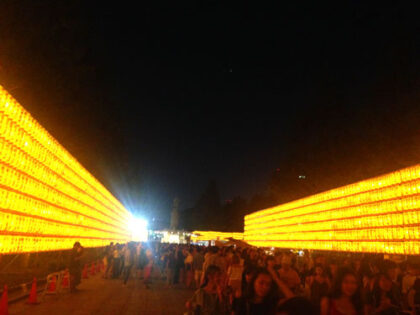
Tokyo Mitama Matsuri | Various fun events and beautiful decorations
For the spectacular Mitama Festival, the Yasukuni Shrine in Tokyo is decorated with more than 30,000 traditional Japanese lanterns, running all the way from the great torii gate to the main gate of the sanctuary.