
buddhism
Warning: Undefined property: WP_Error::$name in /home/xb9215/japancitytour.com/public_html/wp-content/plugins/insert-headers-and-footers/includes/class-wpcode-snippet-execute.php(419) : eval()’d code on line 58
Warning: Undefined property: WP_Error::$slug in /home/xb9215/japancitytour.com/public_html/wp-content/plugins/insert-headers-and-footers/includes/class-wpcode-snippet-execute.php(419) : eval()’d code on line 59
Warning: Undefined property: WP_Error::$category_description in /home/xb9215/japancitytour.com/public_html/wp-content/plugins/insert-headers-and-footers/includes/class-wpcode-snippet-execute.php(419) : eval()’d code on line 60
-
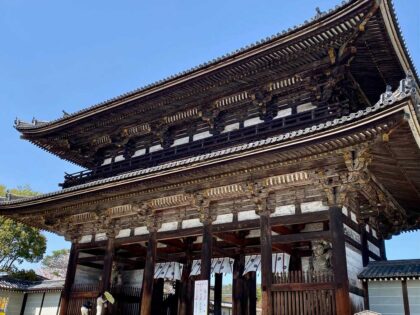
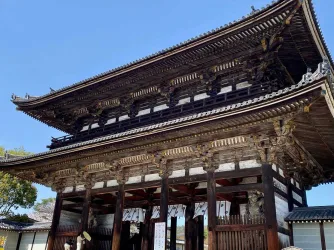
Ninna-ji Temple | Beautiful cherry blossom viewing spots in Kyoto
Not far from the famous Golden Pavillion is Ninna-ji temple. If you come during cherry blossom or maple leave season you can’t skip this temple, but also outside these seasons it’s worth a visit.
-
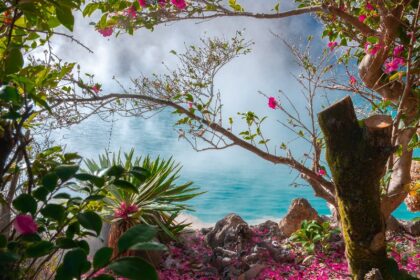
Top Relaxing Activities in Japan for Mind and Body
Do you want to return from your trip to Japan completely refreshed? Why not end your holiday with a day or 2 of these relaxing activities?
-
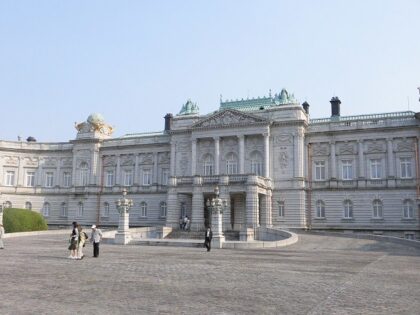
Geihinkan (Akasaka Palace), Tokyo | Beautiful building with a blend of Japanese and Western styles
Geihinkan (also known as Akasaka Palace) was built as a residence for the crown prince in the early 20th century. Now it is used for visiting VIPs from foreign countries. But you can also visit the beautiful banquet rooms!
-
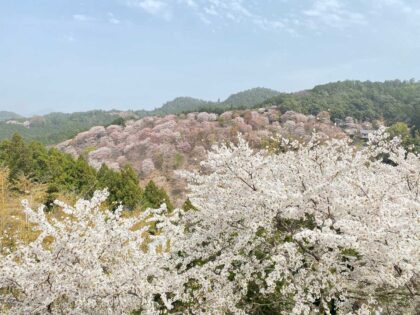
Mount Yoshino, Nara | One of the most beautiful places in Japan for cherry blossoms
Mount Yoshino is not only a sacred site with pilgrim routes passing through, it is also one of the most beautiful spots in the whole country to see the cherry blossoms in bloom.
-
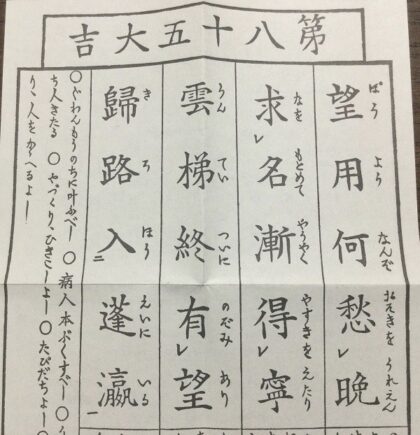
Omikuji Fortune Papers in Japan
Omikuji is a fortune paper you find in the Shinto shrines and Buddhist temples. On it, you will find a message from the deities and your fortune level. Why don’t you try it when you visit Japan?
-
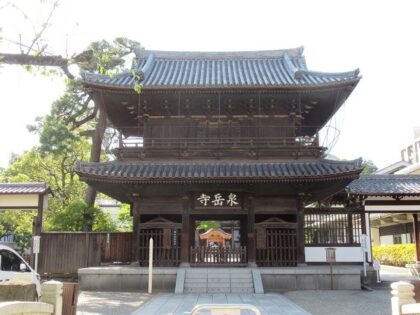
Sengakuji Temple and the 47 Ronin Ako Loyal Samurai
Sengakuji is a Buddhist temple in Tokyo. It is a famous spot among history lovers because this is where the tombs of the 47 Ronin are located. Learn more about this fascinating story of loyalty and revenge.
-
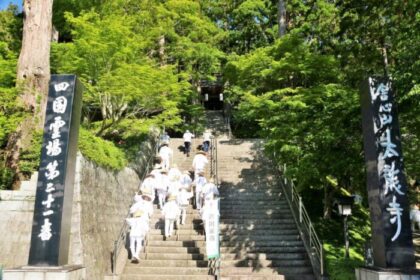
Shikoku Pilgrimage to the Fullest
A famous reason to visit Shikoku is to do a pilgrimage around 88 Buddhist temples which are scattered all over the island. Even today, many people make this pilgrimage. Let’s find out its history and why it attracts many people.
-
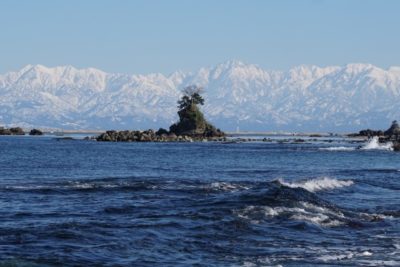
Takaoka City | A town with many Attractive Cultures
Takaoka in Toyama prefecture has plenty of attractions; beautiful scenery on the coastline, unique history, metal production, an anime museum, and more!
-
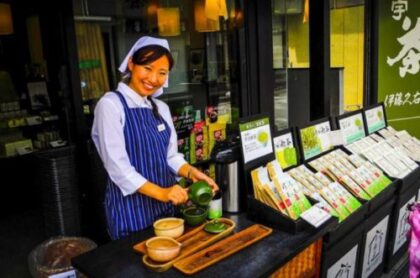
Uji Kyoto | World Heritage Sites and Green Tea Production
How to experience green tea town Uji on your Japan tour? Let us share with you our favorite places in this beautiful little town near Kyoto!
-
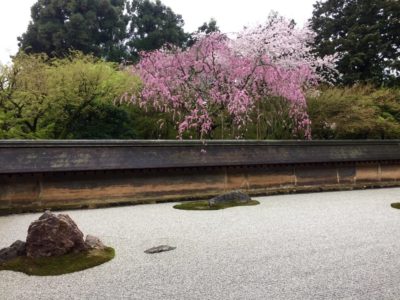
Minimalism Glimpsed Everywhere in Japan
Minimalism has been linked with Japanese culture for a long time, and it goes back to even before Zen Buddhism emerged in Japan which made minimalism here to stay. Learn more about minimalism’s history, and how minimalism is alive today in Japan.
-
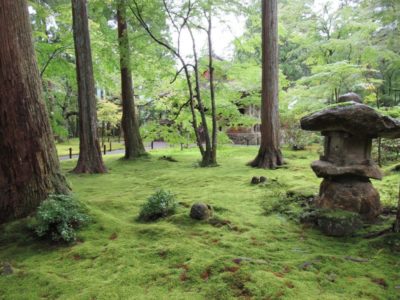
Kyoto Highlights and Hidden Gems Itinerary
Would you like to get some ideas for your perfect Kyoto itinerary? We listed our 5 favorite Kyoto highlights along with 5 lesser-known spots in Kyoto that really make you able to taste the local atmosphere in this beautiful city.
-
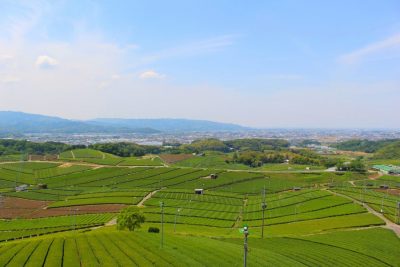
Japanese Green Tea with a Long History and Rich Flavor
Did you know that Japanese tea originated in China, and was then slowly cultivated to different kinds of tea that is still enjoyed throughout Japan and worldwide these days? There are 6 main types of Japanese tea, which differ in leave treatment and harvest time.
-
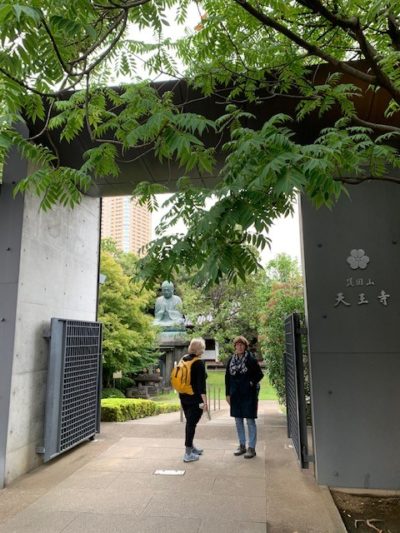
Yanesen & Yanaka Tokyo | A City Full of Tokyo History
Yanesen in Tokyo is a great destination for travelers who are looking for a peaceful, local area with a traditional feel to it. Find out what to see and do in Yanesen!
-
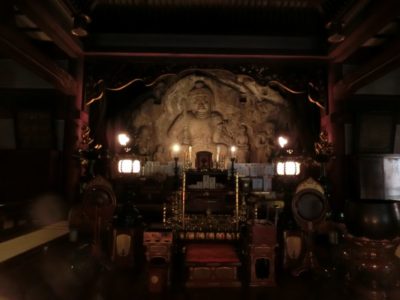
Oiwasan Nissekiji Temple | Waterfall Meditation, a special meditation that can only be done here
Oiwasan Nissekiji is an off the beaten path Buddhist temple founded about 1,300 years ago in Toyama. Learn more about the ‘waterfall practice’ you can do here!
-
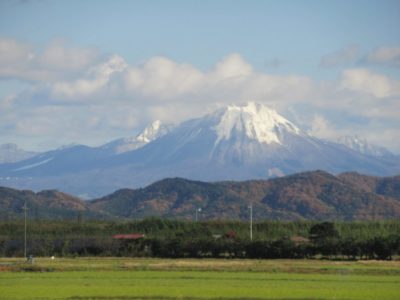
Mount Daisen | Beautiful scenery in all seasons
Mount Daisen, 1,729 meters high, is the highest mountain in Tottori Prefecture. There are great hiking courses and beautiful temples and shrines in the area.
-
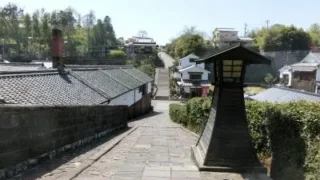
Kunisaki Peninsula, Oita | Enjoy the beautiful sea and historic sites
There are lots of attractive places on the Kunisaki Peninsula in the northeastern part of Oita Prefecture in Kyushu. Because the peninsula is not easy to access, its towns, shrines, and temples have retained their original atmosphere.
-
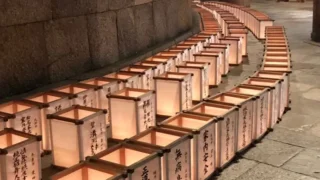
Nara Mantoe Matsuri Festival | Fantastic atmosphere with beautiful lighting
On August 15th, an annual event called Mantoe matsuri is held at night in the Todaiji temple in Nara. This festival commemorates our ancestors with lit-up lanterns.
-
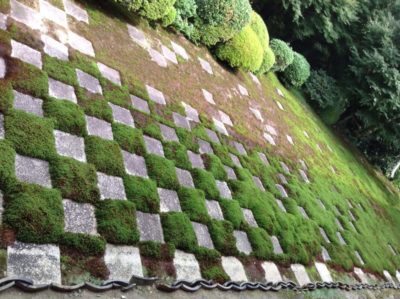
Tofukuji Temple, Kyoto | Beautiful Flowers and Gardens
One of my favorite Zen temples is the Tofukuji temple located in the east of Kyoto city. What makes this temple very special are its magnificent landscapes of maple trees and cherry blossoms.
-
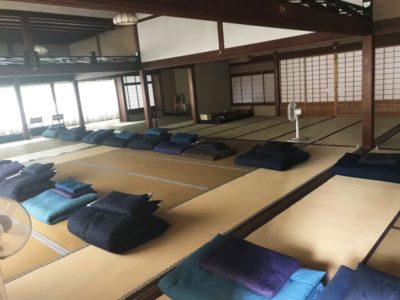
Experience Zen | the Essence of Buddhism in Kyoto
There is a Zen temple in Kyoto called Koshoji, located near Kuramaguchi Station, which is not a typical tourist sightseeing spot. Even though tourists are discouraged from going in, it is an interesting place to visit.
-
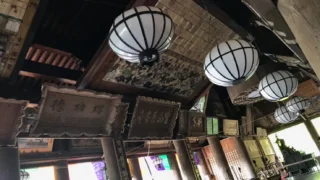
Hasedera Temple, Nara | Beautiful flowers of each season
Various kinds of flowers blooming throughout the year on Hasedera’s grounds, the temple has been nicknamed ‘Flower temple’ since ancient times. I especially love to visit the Hasedera to view the hydrangea in the early summer season.