
history
Warning: Undefined property: WP_Error::$name in /home/xb9215/japancitytour.com/public_html/wp-content/plugins/insert-headers-and-footers/includes/class-wpcode-snippet-execute.php(419) : eval()’d code on line 58
Warning: Undefined property: WP_Error::$slug in /home/xb9215/japancitytour.com/public_html/wp-content/plugins/insert-headers-and-footers/includes/class-wpcode-snippet-execute.php(419) : eval()’d code on line 59
Warning: Undefined property: WP_Error::$category_description in /home/xb9215/japancitytour.com/public_html/wp-content/plugins/insert-headers-and-footers/includes/class-wpcode-snippet-execute.php(419) : eval()’d code on line 60
-
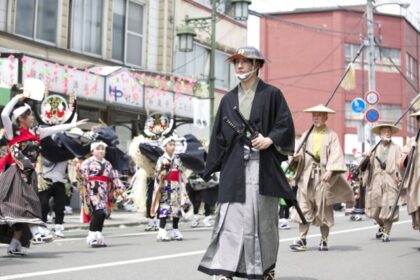
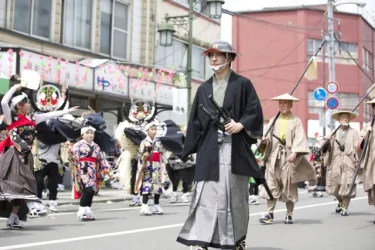
The Identity of Samurai and Shoguns in Japan’s Closed State
During the Edo period from 1603-1868, society was divided strictly into social classes, not unlike the caste system in India. The country was ruled by a shogun, who was the highest up in the military of that time.
-
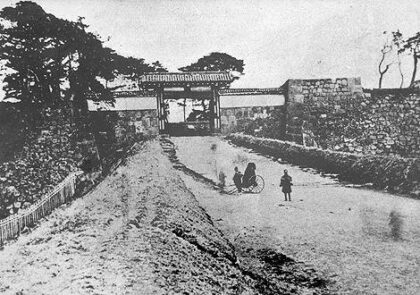
The Meiji Restoration in Japan
The turning point for the city of Edo, actually for all of Japan, was the arrival of Commodore Matthew Perry’s Black Ships at Edo-wan (now known as Tokyo Bay) in 1853. Perry’s US Navy expedition demanded that Japan open itself to foreign trade.
-
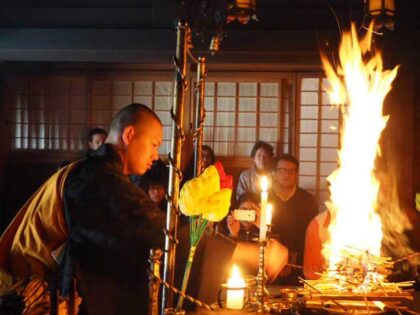
Koyasan with its Gorgeous Architecture and Traditions
Koyasan is a center of Buddhist study and practice, located in the northeastern part of Wakayama Prefecture. It is surrounded by eight low peaks in Koya-Ryujin Quasi-National Park.
-
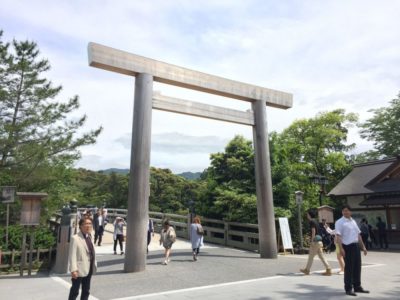
Ise Jingu Shrine, Mie | The origin and pinnacle of Japanese shrines
Ise Jingu in Mie prefecture is listed as the most important Shinto shrine in Japan. What’s the history of this shrine, and which rituals are carried out here?
-
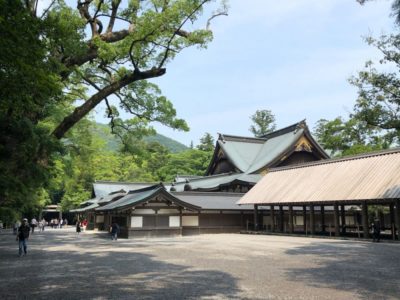
Five of the Best Shrines in Japan
It can be difficult to choose which shrine to visit in Japan because there are so many interesting ones to choose from. To help you, we present a list of 5 of the most impressive Shinto shrines to visit during your stay in Japan.
-
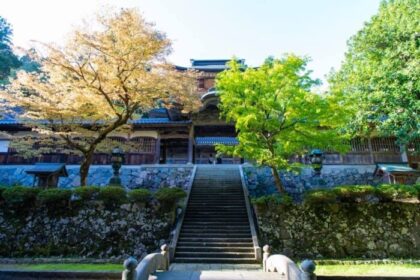
Eiheiji Temple, Fukui | Beautiful natural environment and practicing monks
Eiheiji, ‘The Temple of Eternal Peace’, is one of the two most important temples of the Soto Zen School. It is located deep in the mountains near the northwest coast of Japan, not far from the city of Fukui.
-
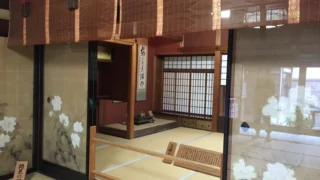
Nomura Samurai Home, Kanazawa | Would you like to take a peek into the life of the Samurai?
In Kanazawa, you can find the old home of the samurai Nomura clan. The building is almost intact and is a good example of how the samurai warriors who protected the city lived at that time.
-
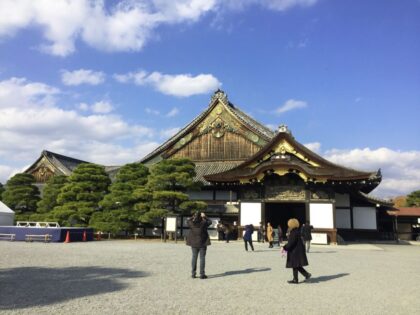
Nijo Castle | with its Gorgeous Architecture and Many Treasures
Nijo-jo Castle in Kyoto has witnessed some of the most important events in Japanese history in the 400 years since it was built. In 1940 the palace was first opened to the public. Today it is one of the most important tourist spots in the city of Kyoto.
-
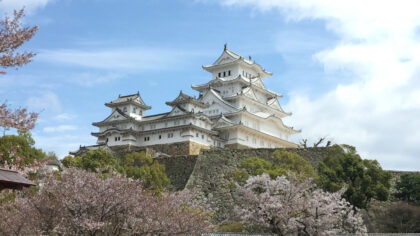
Himeji Castle | A Masterpiece of Castle Building Technology
Himeji Castle was the first registered World Cultural Heritage site (in 1993) in Japan. It is said to be a masterpiece of Japan’s unique castle architecture technology that reached its peak in 1600.
-
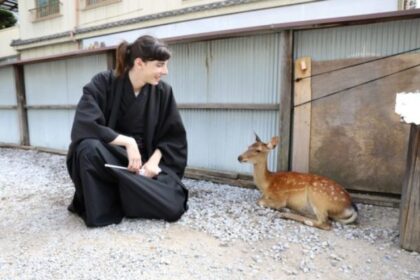
Hakama | A beautiful kimono to wear on the big day
While most foreigners know about kimono, another traditional Japanese garment called hakama is not that known amongst most foreign visitors in Japan. A hakama are the skirt-like pants that are worn over a kimono.
-
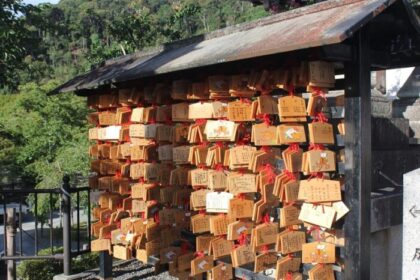
Yasaka Shrine, Kyoto | Historic and Beautiful Building
One of the oldest shrines in Kyoto is located in the famous Gion district in Kyoto. The Yasaka Shrine stands out for its great beauty and interesting historical architecture.
-
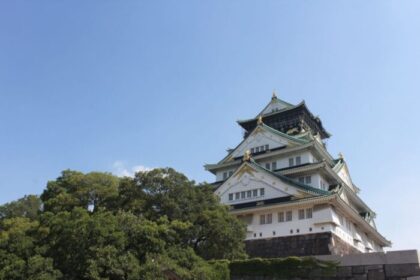
History of Port City Osaka Rich in Diversity
Osaka has a long history, during which the area has always served as a place where traders from all over Asia and later the world are intermingling with Japanese people.
-
The History of Kyoto / Japan’s Former Capital
Kyoto’s history is a long one, it all started in the 8th century. The city was built as the capital of Japan in that time and was home to the Imperial Court until 1868 when it moved to Tokyo
-
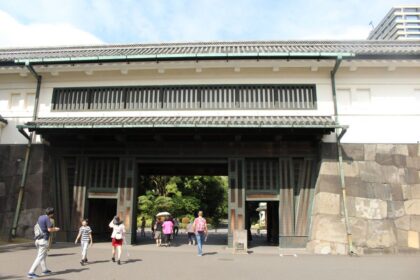
History of Tokyo as a Metropolis | Travel Guide
What became today’s largest metropole in the world started out as a small town in the 13th century and became a small castle town in the 15th century. Then the feudal lords started fighting out a war that would change the course of Edo’s history forever.
-
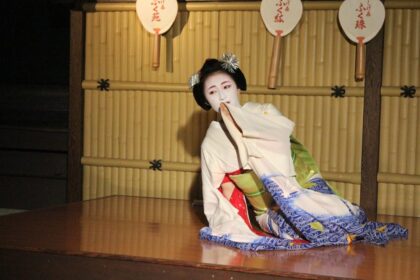
Gion Corner, Kyoto | A great chance to experience Kyoto’s traditional performing arts
If you don’t have the budget to see Kyoto’s geisha in action in an actual tea house, Gion Corner in Kyoto is an alternative that gives you a great overview of traditional Japanese performing arts.
-
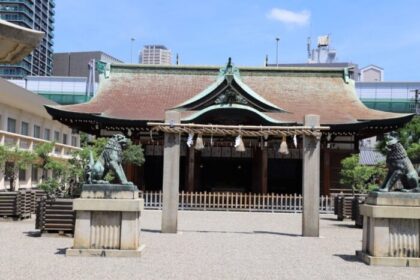
Imamiya Ebisu Shrine | Very popular in Osaka for its good fortune for prosperous business
This tranquil shrine is located near tourist hot spots but is not often visited by tourists. That makes the Imamiya Ebisu shrine a nice place to get away from the crowds for a bit!
-
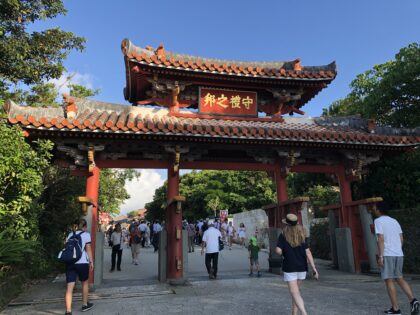
Shurijo Castle, Okinawa | Beautiful castles with unique materials and decorations
Okinawa was an independent kingdom named the Ryukyu Islands from 1429 to 1879, and Shurijo Castle was the seat of this Kingdom for hundreds of years.
-
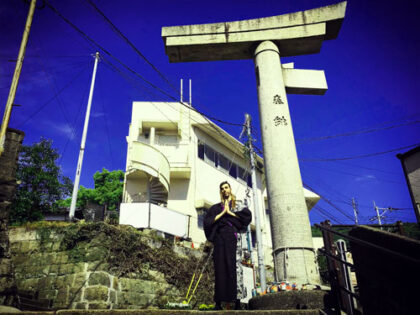
Sanno Sanctuary, Nagasaki has connected Japan with the world
One of the most impressive and curious places in Nagasaki is the Sanno Shrine because the main torii (gateway to the shrine) maintains only one pillar. How did this happen?
-
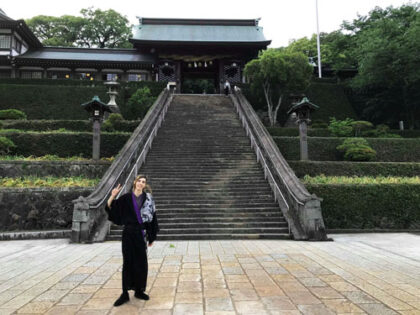
Suwa Shrine, Nagasaki | Beautiful main shrine and historic statues of sacred horses
The Suwa shrine in Nagasaki was founded in 1614 as a way to expel the Christian faith from the region. During the Edo period, Nagasaki was one of the few places where there was contact with foreigners.
-
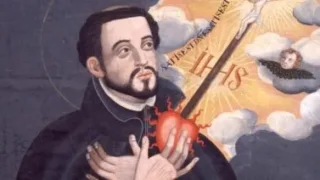
Monument For The 26 Martyrs | Clash of Japanese Culture and Christianity
Around 1549, Christian missionaries started arriving in Japan. They usually came from countries such as Spain and Portugal, and their objective was to spread the word of the church.