
culture
Warning: Undefined property: WP_Error::$name in /home/xb9215/japancitytour.com/public_html/wp-content/plugins/insert-headers-and-footers/includes/class-wpcode-snippet-execute.php(419) : eval()’d code on line 58
Warning: Undefined property: WP_Error::$slug in /home/xb9215/japancitytour.com/public_html/wp-content/plugins/insert-headers-and-footers/includes/class-wpcode-snippet-execute.php(419) : eval()’d code on line 59
Warning: Undefined property: WP_Error::$category_description in /home/xb9215/japancitytour.com/public_html/wp-content/plugins/insert-headers-and-footers/includes/class-wpcode-snippet-execute.php(419) : eval()’d code on line 60
-
Shinto | the Foundation of Japanese Thought
Shinto has been the main religion in Japan since ancient times, centering on the ideas of Japanese intimacy with nature and ancestor worship. Learn the basics of Shinto beliefs!
-

Religions unique to Japan
While Japan’s first main religion is Shinto, the second main religion is Buddhism. How did Buddhism come to Japan, and which influence does it have on daily life in Japan?
-
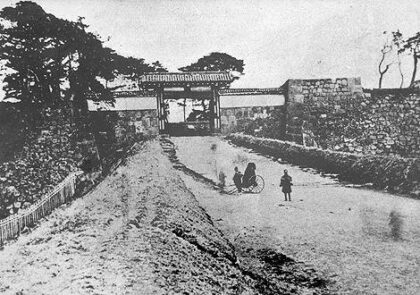
The Meiji Restoration in Japan
The turning point for the city of Edo, actually for all of Japan, was the arrival of Commodore Matthew Perry’s Black Ships at Edo-wan (now known as Tokyo Bay) in 1853. Perry’s US Navy expedition demanded that Japan open itself to foreign trade.
-
Shinto Shrines with a uniquely Japanese flavor
Whether you are in a large city like Tokyo or in a small village in the countryside, a Shinto shrine is never far away in Japan. What are the rules when you visit a shrine?
-
Koyasan with its Gorgeous Architecture and Traditions
Koyasan is a center of Buddhist study and practice, located in the northeastern part of Wakayama Prefecture. It is surrounded by eight low peaks in Koya-Ryujin Quasi-National Park.
-
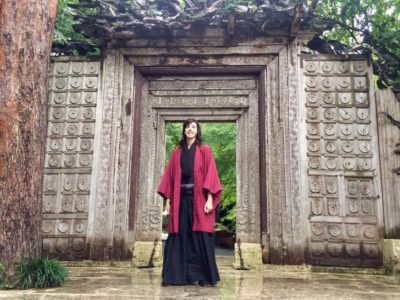
5 Most Surprising Things in Japan
When someone comes to Japan for the first time, the contrast or the great cultural differences that exist between Japan and their own culture creates many surprising moments!
-
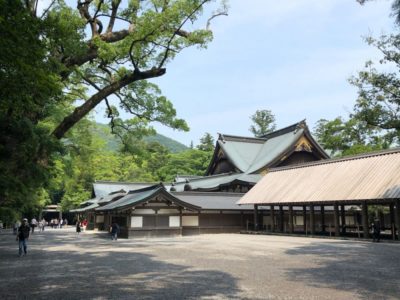
Five of the Best Shrines in Japan
It can be difficult to choose which shrine to visit in Japan because there are so many interesting ones to choose from. To help you, we present a list of 5 of the most impressive Shinto shrines to visit during your stay in Japan.
-
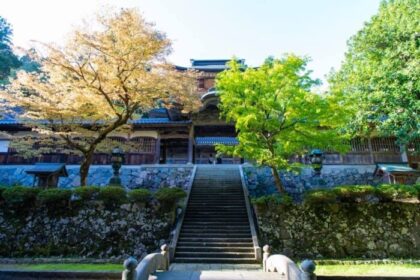
Eiheiji Temple, Fukui | Beautiful natural environment and practicing monks
Eiheiji, ‘The Temple of Eternal Peace’, is one of the two most important temples of the Soto Zen School. It is located deep in the mountains near the northwest coast of Japan, not far from the city of Fukui.
-

Two J-Pop Legends Everyone Should Know
Within the music world of Japan, there are two acts that have gone down in history as legends and continue to inspire new generations. Learn more about these artists!
-
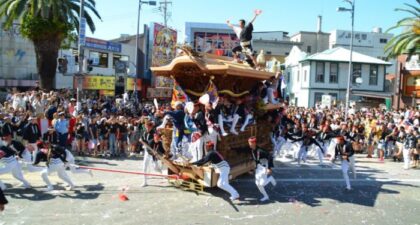
Osaka Danjiri Festival is as powerful as a movie
The Danjiri Matsuri (float festival) in Osaka started in 1703. The festival was created by the Lord of Kishiwada Castle to pray for an abundant harvest, and it is still going strong today.
-
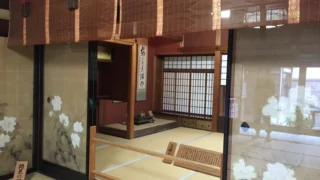
Nomura Samurai Home, Kanazawa | Would you like to take a peek into the life of the Samurai?
In Kanazawa, you can find the old home of the samurai Nomura clan. The building is almost intact and is a good example of how the samurai warriors who protected the city lived at that time.
-
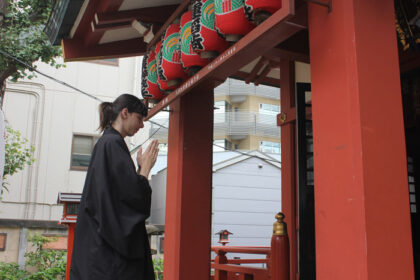
How to Pray at Shinto Shrine
Shinto means worshiping ancestors as guardians of the family, and it also symbolizes showing respect for the kami, who reside in the natural world and in shrines. How to pray at a Shinto shrine?
-

Convenient stay in a capsule hotel
Capsule hotels opened for the first time in 1979 in Osaka in the bustling district of Umeda. They became a popular place to crash for salarymen who missed the last train.
-
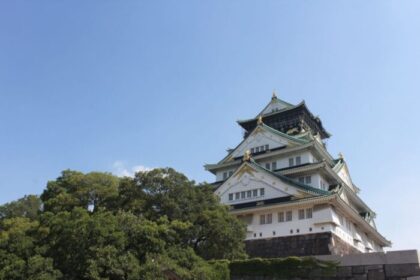
History of Port City Osaka Rich in Diversity
Osaka has a long history, during which the area has always served as a place where traders from all over Asia and later the world are intermingling with Japanese people.
-
The History of Kyoto / Japan’s Former Capital
Kyoto’s history is a long one, it all started in the 8th century. The city was built as the capital of Japan in that time and was home to the Imperial Court until 1868 when it moved to Tokyo
-
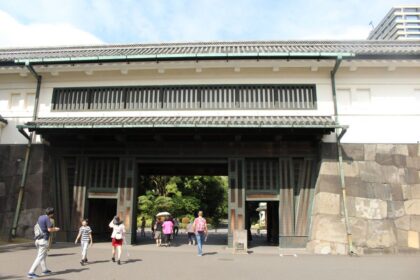
History of Tokyo as a Metropolis | Travel Guide
What became today’s largest metropole in the world started out as a small town in the 13th century and became a small castle town in the 15th century. Then the feudal lords started fighting out a war that would change the course of Edo’s history forever.
-
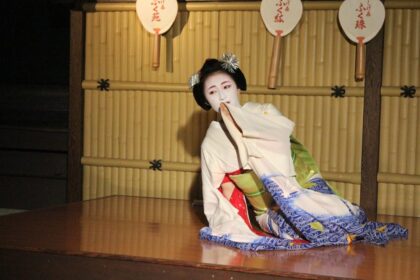
Gion Corner, Kyoto | A great chance to experience Kyoto’s traditional performing arts
If you don’t have the budget to see Kyoto’s geisha in action in an actual tea house, Gion Corner in Kyoto is an alternative that gives you a great overview of traditional Japanese performing arts.
-
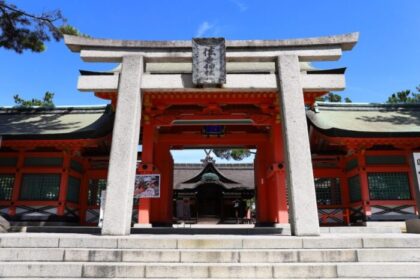
Sumiyoshi Taisha | Beautiful architecture and the strongest power spot in Osaka
Shinto shrine “Sumiyoshi Taisha” was founded in 211, making it one of the oldest shrines in all of Japan. It is worth visiting for its picturesque bridge and interesting architecture.
-
Flag of Japan, Land of the Rising Sun
The national flag of Japan is officially called ‘Nisshoki’, which means ‘Flag of the Sun symbol’, although colloquially it is known as ‘Hinomaru’ which means ‘Circle of the Sun’. It is the most important symbol of Japan.
-

Anime | the One and Only Genre Produced in Japan
The history of the anime goes back to 1907 when many Japanese artists were influenced by Western animation and decided to create specific national content for Japan. At that time this was very difficult because materials were expensive